2050 Sugarloaf Parkway, Lawrenceville, Georgia 30045

Why Hydration Matters for Cats

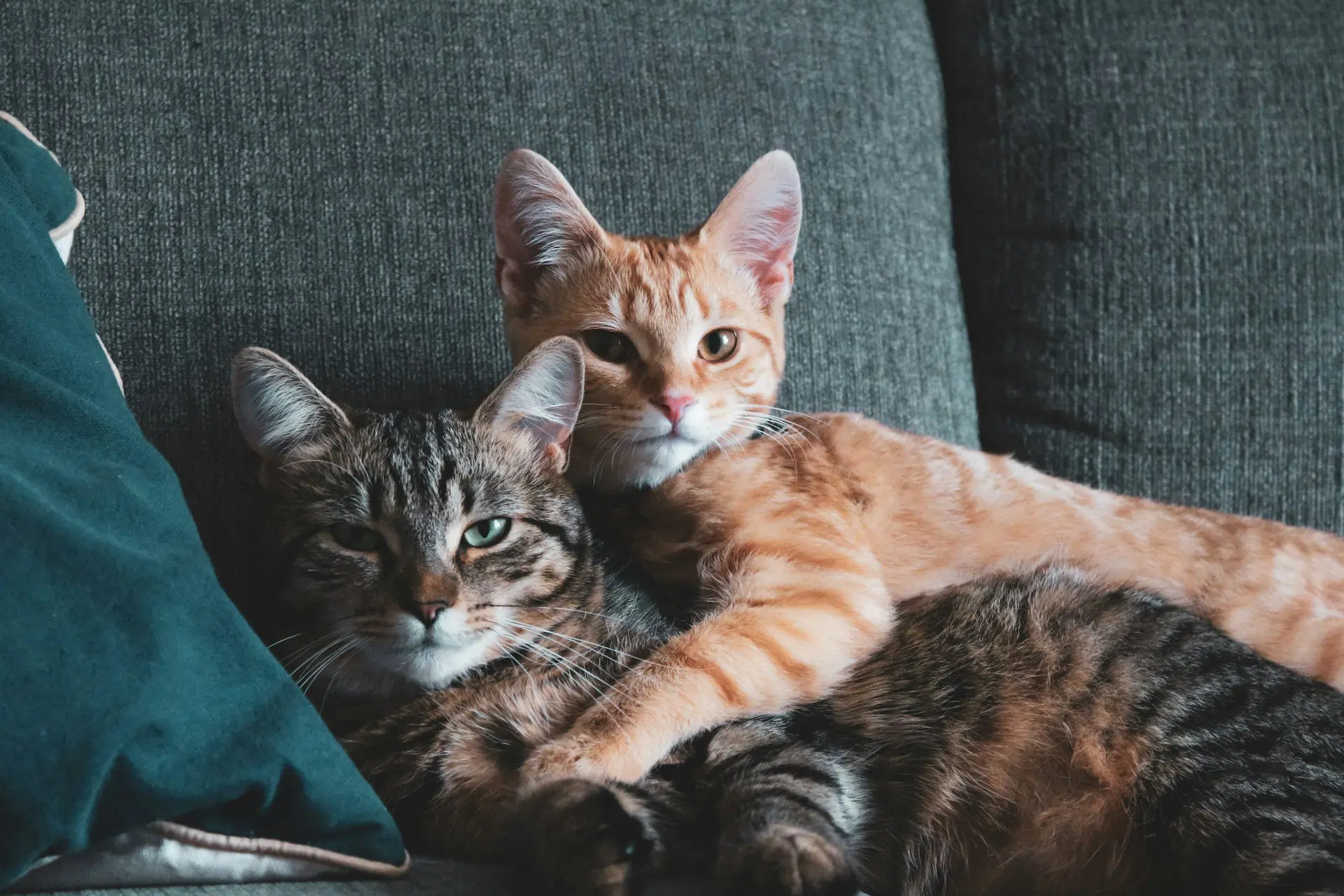
While your cat may not be chasing down ice cream trucks or sipping lemonade on the porch, she still needs extra hydration in the heat. At Dogwood Animal Hospital in Lawrenceville, GA, we often see an uptick in summer health issues linked to one simple oversight: not enough water.
Cats are naturally low drinkers, making cat hydration in summer an especially important focus. In this post, we’ll explain how to get your cat to drink more water, share the best water bowls for cats, and help you recognize the signs of dehydration in cats before it becomes a serious problem.
Why Cats Struggle with Hydration
Cats evolved in desert climates and instinctively get most of their moisture from food. That’s fine for wild cats munching on fresh prey, but it’s trickier for domestic cats—especially those on dry kibble diets.
Add summer heat, increased activity, and air conditioning into the mix, and your feline pal can dry out faster than you might think.
Proper hydration helps:
- Maintain healthy kidney and urinary tract function
- Prevent constipation and hairballs
- Regulate body temperature
- Support overall organ function
Signs of Dehydration in Cats
Cats don’t sweat like we do, and their signs of dehydration can be subtle. Watch closely for the following:
- Dry or tacky gums
- Lethargy or weakness
- Sunken eyes
- Loss of skin elasticity (gently pinch the skin between the shoulder blades—if it doesn’t snap back, she may be dehydrated)
- Poor appetite
- Panting (unusual in cats)
- Dark or decreased urine output
If you notice these signs, especially during hot weather, call us immediately. Dehydration can quickly become dangerous in cats.
How to Get Your Cat to Drink More Water
Some cats avoid standing water like the plague. If your feline is more of a hydration holdout, try these simple strategies:
Switch to Wet Food
Canned food contains around 70–80% water, compared to only 10–12% in dry kibble. Even just mixing a spoonful of wet food into her meal helps.
Use a Cat Fountain
Many cats prefer running water. Pet fountains mimic a natural water source and encourage drinking.
- Look for models with filters and quiet pumps
- Clean weekly to prevent slime buildup
- Place in a quiet, low-traffic area
Offer Multiple Water Stations
Keep bowls in several locations around the house—especially in warm or sunny spots where your cat hangs out.
Add Flavor
Try adding:
- A splash of tuna water (in water, not oil)
- Low-sodium chicken broth (without onions or garlic)
- Ice cubes made from broth as enrichment
Always check with your veterinarian before adding anything to your cat’s water or food.
Choose the Right Bowl
Cats can be picky. They may dislike:
- Narrow bowls that touch whiskers
- Plastic bowls that retain odors
- Dirty water (even if it looks clean)
Best water bowls for cats:
- Wide, shallow ceramic or stainless steel
- Placed away from food and litter boxes
Hydration for Outdoor or Adventure Cats
If your cat spends time in a catio, harness walks, or travels with you, pack extra water for the journey.
- Bring a collapsible bowl and bottle of fresh water
- Offer sips during breaks in the shade
- Watch for panting, sluggishness, or heat exhaustion signs
FAQs About Summer Hydration for Cats
How much water should my cat drink each day?
On average, cats need about 3.5–4.5 ounces of water per 5 pounds of body weight. So a 10-pound cat should drink roughly 7–9 ounces daily.
What if my cat won’t drink water at all?
Try wet food, flavored water, and a fountain. If she still resists, consult our veterinary clinic—it could indicate an underlying issue.
Are ice cubes safe for cats?
Yes! Many cats enjoy licking or batting at ice cubes. You can even freeze treats or broth into them for a cooling bonus.
Does dry food increase dehydration risk?
Dry food alone doesn’t cause dehydration, but it provides little moisture. Supplement with canned food or added water to support hydration.
Is dehydration an emergency?
It can be. Especially in kittens, seniors, or cats with kidney disease, dehydration can lead to life-threatening complications. If in doubt, contact your vet
Hydration is one of the simplest ways to boost your cat’s health—and one of the most overlooked during hot weather. Whether she’s sunbathing by the window or exploring the patio, Fluffy needs a steady source of fresh water to stay cool and thrive.
At Dogwood Animal Hospital in Lawrenceville, GA, we’re here to help you beat the heat with smart hydration strategies and personalized care.
Concerned about your cat’s water intake or summer wellness? Schedule a visit to our veterinary clinic today and let’s keep her cool, comfortable, and hydrated.
If you’re looking for a “veterinary clinic near me” that understands feline wellness inside and out, Dogwood Animal Hospital is just a call away.