2050 Sugarloaf Parkway, Lawrenceville, Georgia 30045

Post-Swim Dog Care Tips

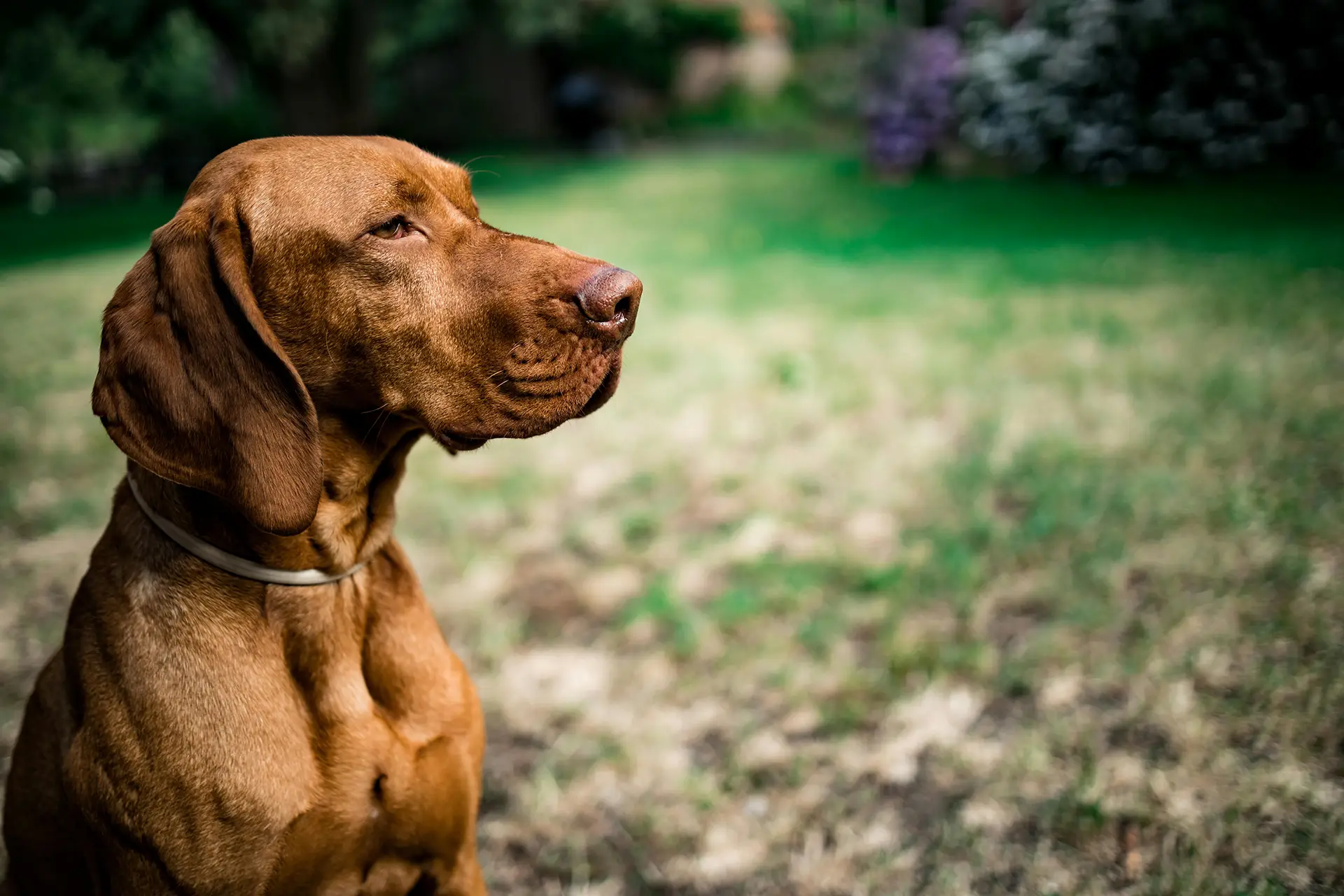
After a fun-filled swim, it’s tempting to let your soggy pup shake it off and move on—but the care doesn’t stop when the splashing ends. At Dogwood Animal Hospital, we often remind pet parents that post-swim dog care is just as important as what happens in the water. Whether you’re rinsing off chlorine, managing moisture in those floppy ears, or checking for scrapes, how you clean and care for Fido after swimming can prevent health issues down the road. This guide offers helpful tips on how to clean your dog after swimming, dog ear care after swimming, and keeping your pup’s skin healthy and irritation-free.
Whether you’ve been at the beach, lake, or pool, wrapping up swim time the right way ensures your furry pal stays fresh, comfortable, and ready for another dip tomorrow.
How to Clean Your Dog After Swimming
After your dog’s last splash, don’t skip the rinse. It’s important to clean off salt, chlorine, algae, bacteria, and sand. Left on the coat, these can cause itching, irritation, or even infections. Use lukewarm water to rinse Fido thoroughly from head to tail. If you were in a pool or saltwater, a gentle dog shampoo can help lift any residue without stripping natural oils. Pay close attention to the underbelly, paws, armpits, and collar areas, where debris tends to collect.
Dry your pooch with a clean towel as much as possible, then allow him to air dry in a shaded area or indoors. Avoid letting a wet dog lie on dirt or concrete, which can lead to skin infections or abrasions.
If your dog has long or thick fur, brush through the coat once it’s dry to prevent tangles and mats. At Dogwood Animal Hospital, we can recommend pet-safe cleansers for sensitive skin or dogs prone to allergies after swimming in Lawrenceville, GA waters.
Dog Ear Care After Swimming
Water in the ears is one of the leading causes of infections in dogs—especially breeds with floppy ears or lots of fur around the ear canal. After swimming, gently dry Fido’s ears with a clean towel. Avoid inserting anything deep into the ear canal. Instead, wipe the visible area and flap thoroughly.
If your dog is prone to ear infections, your vet may recommend a drying ear cleaner designed to evaporate moisture and balance the ear’s pH. These solutions are typically applied after swimming and can help reduce bacteria and yeast buildup.
Watch for signs of trouble, such as head shaking, ear scratching, foul odor, or discharge. If you notice any of these symptoms, contact our veterinary clinic in Lawrenceville, GA for an ear exam before things worsen.
Dog Skin Care After Swimming
Just like people, dogs can experience skin issues from frequent exposure to water, sun, and bacteria. Rinsing Fido after each swim is the first step in prevention, but there are a few more ways to keep your pup’s skin in great condition.
Avoid using human shampoo, which can dry out your pup’s skin and disrupt its natural barrier. Instead, use a moisturizing or oatmeal-based pet shampoo if your pooch seems itchy after swimming. Dry thoroughly, especially in folds or creases where moisture can linger. Don’t forget the paws. Salt, sand, and chlorinated water can irritate paw pads. Rinse and check for cuts or cracks. If your dog is scratching, licking, or developing red spots after swim days, schedule a visit with Dogwood Animal Hospital. We can check for hot spots, allergic reactions, or infections that might require treatment.
Swimming is healthy fun, but repetitive exposure can lead to skin concerns if post-swim care isn’t part of your routine.
Bonus Tips for Safe and Happy Cool-Downs
Don’t let your pup sit in wet gear. Remove harnesses, collars, and life vests after swimming and let everything dry completely before the next use. Give Fido access to clean drinking water to flush out any salt or chemicals he may have ingested. Avoid feeding large meals immediately after vigorous swimming. Let Fido cool down and rest first to prevent bloating or digestive upset. Monitor your pup for 24 hours after any swim. If he seems unusually tired, vomits, limps, or shows signs of ear discomfort, give us a call at Dogwood Animal Hospital.
Every swim session should end with rest, water, and a quick health check to keep your dog feeling his best.
Frequently Asked Questions About Post-Swim Dog Care
How do I clean my dog after swimming in a lake or ocean?
Rinse thoroughly with fresh water to remove salt, sand, or bacteria. Use a gentle pet shampoo if needed and dry completely, especially in sensitive areas.
Should I clean my dog’s ears after every swim?
Yes. At minimum, dry the ears thoroughly and consider using a vet-recommended ear rinse if your dog is prone to infections.
Can swimming cause skin problems in dogs?
It can. Dogs with sensitive skin or allergies may develop hot spots, rashes, or dryness after swimming. Rinsing and drying helps, and your vet can recommend soothing products.
How often should I bathe my dog if he swims regularly?
You don’t need to shampoo after every swim unless Fido is visibly dirty or has sensitive skin. A water rinse and occasional bath usually suffice.
What signs should I watch for after swimming?
Keep an eye out for ear scratching, redness, skin bumps, limping, or excessive licking. These may indicate infections or minor injuries that need attention.
Visit Our Veterinary Clinic in Lawrenceville, GA for Expert Swim Season Support
Swimming can be one of the best parts of summer—but the fun doesn’t end when your pup gets out of the water. At Dogwood Animal Hospital, we’re here to help you master every part of the process, from pre-swim prep to post-swim care. Whether you need advice on how to clean your pup after swimming, dog ear care after swimming, or tips to keep your pup’s skin in great shape, our veterinary clinic in Lawrenceville, GA is your go-to resource.
Call us today to schedule a summer wellness visit—we’ll help your pooch stay happy, healthy, and ready for the next splash.
This blog is intended for informational purposes only. Always consult with your veterinarian for personalized recommendations and medical guidance for your dog.