2050 Sugarloaf Parkway, Lawrenceville, Georgia 30045

10 Essential Home Care Tips to Speed Up Your Dog’s Recovery After Neuter Surgery

Watching your beloved furry friend recover from neuter surgery can feel overwhelming, especially when you want nothing more than to see them back to their playful, energetic self. Every pet parent experiences that mix of relief and worry after bringing their dog home from this important procedure.
The good news is that with proper home care, most dogs bounce back remarkably quickly from neuter surgery. Understanding how to support your pup during this crucial healing period makes all the difference in their comfort and recovery speed.
This comprehensive guide will walk you through ten proven home care strategies that veterinarians recommend to help your dog heal faster and more comfortably after their procedure.
Understanding Post-Neuter Recovery:
What Happens During the First 24-48 Hours
Your dog’s body undergoes significant changes immediately following surgery. During this critical window, they’re processing anesthesia while beginning the natural healing process.
Most dogs experience mild grogginess, reduced appetite, and some discomfort. These reactions are completely normal and typically resolve within two days.
The surgical site needs special attention as it begins forming protective tissue. This early stage sets the foundation for smooth healing.
Creating the Perfect Recovery Space:
Setting Up a Quiet Healing Zone
Transform a corner of your home into a peaceful sanctuary where your dog can rest undisturbed. Choose a room away from high-traffic areas and loud noises.
Place comfortable, clean bedding on the floor rather than elevated surfaces. This prevents jumping and potential injury to the incision site.
Keep food, water, and favorite toys within easy reach. Consider using baby gates to restrict access to stairs and other rooms.
Temperature and Comfort Considerations
Maintain a consistent, warm temperature in the recovery area. Post-surgery dogs often feel colder due to anesthesia effects.
Provide extra blankets but ensure they’re not too heavy on the surgical area. Soft, breathable fabrics work best for comfort without causing overheating.
Managing Pain and Medication:
Following Your Vet’s Medication Schedule
Administer prescribed pain medications exactly as directed by your veterinarian. Set phone reminders to maintain consistent timing.
Never skip doses or stop medication early, even if your dog seems fine. Pain management prevents unnecessary suffering and promotes faster healing.
Keep a written log of medication times and any observed side effects. This helps track your dog’s progress and provides valuable information for follow-up appointments.
Preventing Licking and Scratching:
The Importance of E-Collars and Alternatives
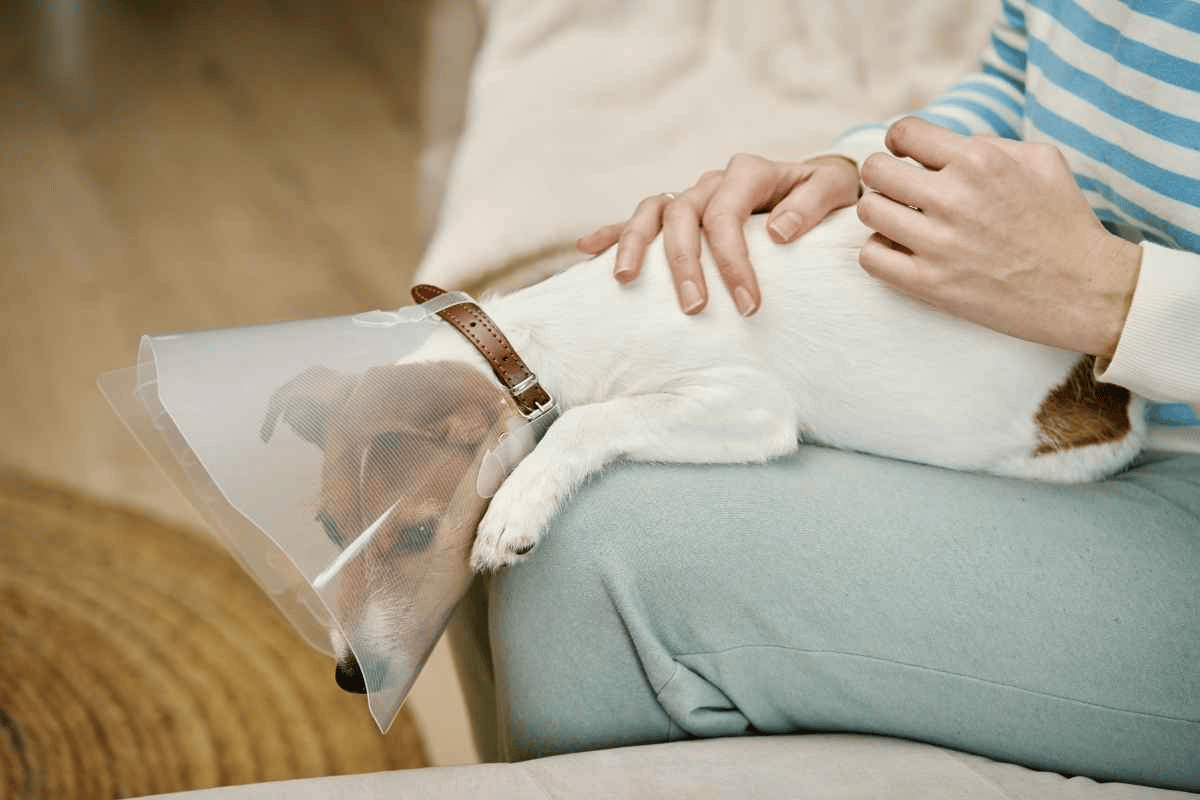
That cone of shame serves a vital purpose in protecting the incision from your dog’s tongue and teeth. Keep it on continuously for the recommended duration.
If your dog struggles with traditional e-collars, consider alternatives like inflatable donuts or recovery suits. These options provide protection while offering more comfort.
Monitor the fit regularly, ensuring it’s secure but not causing neck irritation. A properly fitted collar allows normal eating and drinking.
Monitoring the Incision Site:
Daily Wound Checks
Examine the surgical area twice daily for signs of proper healing. Look for minimal swelling and a clean, dry appearance.
Watch for warning signs including excessive redness, discharge, or foul odors. These symptoms require immediate veterinary attention.
Take daily photos to track healing progress objectively. This visual record helps identify subtle changes you might otherwise miss.
Professional Guidance Matters
Veterinary teams, like those at Dogwood Animal Hospital, emphasize the importance of consistent wound monitoring during recovery. Their expertise helps pet parents identify potential complications early.
Following professional post-operative instructions ensures your dog receives optimal care throughout the healing process. Never hesitate to contact your surgical team with concerns.
Controlling Physical Activity:
Exercise Restrictions That Matter
Limit your dog to short, leashed bathroom breaks for the first week. Even energetic dogs need strict activity restrictions.
Avoid running, jumping, and rough play for 10-14 days post-surgery. These activities can cause serious complications including internal bleeding.
Gradually increase activity levels only after veterinary approval. Starting too soon risks reopening the incision or causing internal damage.
Mental Stimulation During Rest
Replace physical exercise with gentle mental enrichment. Puzzle feeders and treat-dispensing toys keep minds engaged without physical strain.
Practice basic obedience commands using treats as motivation. This maintains training while your dog remains relatively stationary.
Consider calm activities like gentle brushing or massage. These provide bonding time without encouraging excessive movement.
Nutrition and Hydration Support:
Feeding Guidelines After Surgery
Offer small, frequent meals instead of regular portions initially. Many dogs experience temporary appetite changes post-anesthesia.
Stick to familiar foods unless otherwise directed by your vet. Sudden dietary changes can cause digestive upset during recovery.
If appetite remains poor after 24 hours, try warming food slightly or adding low-sodium broth. These tricks often stimulate interest in eating.
Ensuring Proper Hydration
Monitor water intake closely, especially during the first few days. Adequate hydration supports healing and helps flush anesthesia from the system.
Place multiple water bowls around the recovery area for easy access. Fresh, clean water should always be available.
Contact your vet if your dog refuses water for more than 12 hours. Dehydration can seriously compromise recovery.
Maintaining Bathroom Routines:
Safe Potty Breaks
Keep bathroom trips brief and businesslike during recovery. Use a short leash to prevent sudden movements or exploration.
Choose flat, easy terrain for elimination needs. Avoid hills, stairs, or uneven surfaces that require extra physical effort.
Clean the surgical area gently if it becomes soiled. Use warm water and pat dry carefully without rubbing.
Recognizing Complications Early:
Warning Signs That Need Immediate Attention
Learn to distinguish between normal healing and potential problems. Excessive swelling, bleeding, or lethargy requires urgent veterinary care.
Trust your instincts if something seems wrong. You know your dog best and can detect subtle behavioral changes.
Keep your vet’s emergency contact information readily accessible. A quick response to complications prevents serious health issues.
When Professional Help Is Essential
Facilities specializing in pet surgery, Lawrenceville residents trust that understand that post-operative complications require swift intervention. Immediate professional assessment can prevent minor issues from becoming serious problems.
Document any concerning symptoms with photos and detailed notes. This information helps veterinary teams make accurate assessments quickly.
Follow-Up Care Importance:
Scheduling and Attending Check-Ups
Never skip scheduled follow-up appointments, even if healing appears perfect. Professional assessment ensures internal healing progresses properly.
Prepare questions about ongoing care before appointments. This maximizes the value of your veterinary visit.
Follow all recommendations for suture removal timing if applicable. Premature removal risks wound reopening and infection.
Supporting your dog through post-neuter recovery doesn’t have to feel overwhelming when you’re armed with the right knowledge and strategies. By implementing these ten home care tips consistently, you’re giving your furry friend the best possible chance for a smooth, comfortable healing process.
Remember that every dog heals at their own pace, so patience and vigilance remain your best tools during this recovery period. Stay in close communication with your veterinary team, and don’t hesitate to reach out with any concerns about your dog’s recovery progress.
Frequently Asked Questions:
Q1: How long does it typically take for a dog to fully recover from neuter surgery?
Ans: Most dogs recover completely within 10-14 days after neuter surgery. However, internal healing continues for several weeks, so maintaining activity restrictions during this period remains important for optimal recovery.
Q2: Can my dog climb stairs after being neutered?
Ans: Avoid stairs for at least 7-10 days post-surgery to prevent strain on the incision site. If stairs are unavoidable, use a supportive harness and guide your dog slowly, or consider carrying smaller dogs.
Q3: Is it normal for my dog to be less active after neuter surgery?
Ans: Yes, reduced activity is completely normal for 3-5 days following surgery. This natural response helps the body focus energy on healing, though you should contact your vet if extreme lethargy persists beyond this timeframe.
Q4: When can my dog resume normal bathing after neuter surgery?
Ans: Wait at least 10-14 days before bathing your dog, ensuring the incision has fully closed first. Your veterinarian will confirm when it’s safe during the follow-up examination.
Q5: What should I do if my dog won’t eat after neuter surgery?
Ans: Appetite changes are common for 24-48 hours post-surgery due to anesthesia effects. Try offering small amounts of bland food like boiled chicken and rice, but contact your vet if appetite doesn’t return within two days.
Q6: How can I keep my energetic dog calm during recovery?
Ans: Use mental enrichment activities like puzzle toys, training sessions with treats, and calm interactive games. Consider using calming supplements or pheromone diffusers if recommended by your veterinarian.