2050 Sugarloaf Parkway, Lawrenceville, Georgia 30045

What Factors Do Veterinarians Consider Before Recommending Surgery?

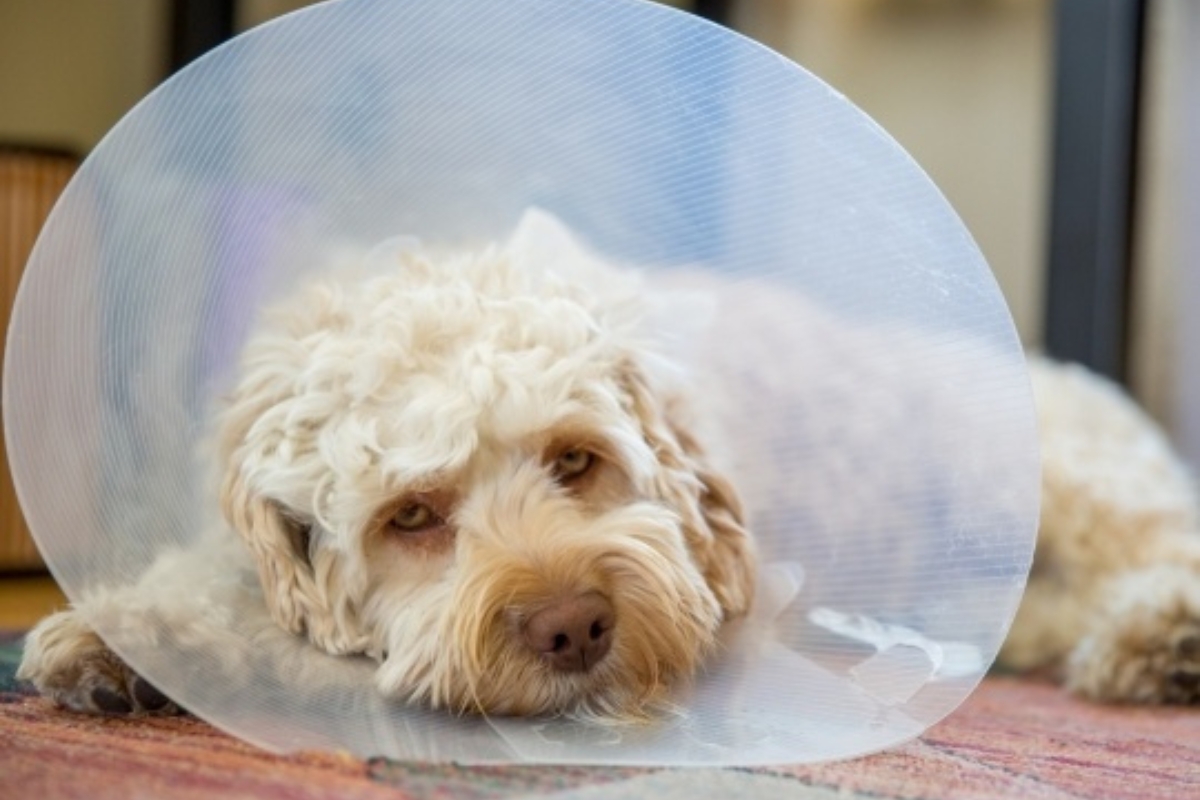
Hearing that your dog or cat might need surgery can leave you with dozens of questions. Is the procedure necessary? Could medication work instead? What happens if you decide to wait? These concerns are natural, especially when your pet seems comfortable despite having an underlying health problem.
Surgery is not always the first treatment a veterinarian recommends. The decision depends on your pet’s condition, medical history, diagnostic results, and the risks of delaying treatment. Understanding how veterinarians make this decision can help you feel more confident about your pet’s care. This guide is especially helpful for pet owners in Lawrenceville who want to know when surgery becomes necessary and how proper evaluation can protect their companion’s health.
Veterinarians do not recommend surgery based on a single symptom. They consider several factors to determine whether an operation offers more benefits than other available treatments.
The Severity of Your Pet’s Medical Condition
The first consideration is how seriously a health problem affects your pet. Some conditions respond well to medication, rest, or ongoing monitoring, while others require surgical treatment.
For example, a minor wound may heal with proper medical care. However, a deep injury involving damaged tissue might require surgery to prevent complications. Our vets assess the nature of the problem and determine whether delaying treatment could worsen your pet’s condition.
Your Pet’s Age and Overall Health
Age alone does not determine whether a pet can undergo surgery. A healthy senior dog may tolerate a procedure better than a younger animal with an uncontrolled medical condition.
Veterinarians consider existing illnesses, organ function, physical condition, and previous reactions to anesthesia. These factors help determine whether additional precautions are necessary. The goal is to understand how well your pet may tolerate the procedure and recover afterward.
The Benefits and Risks of Surgery
Every surgical procedure carries some degree of risk. Veterinarians compare these risks with the potential consequences of leaving a medical condition untreated.
For instance, removing a painful or infected structure may improve comfort and prevent further complications. However, if a condition can be managed safely without surgery, a less invasive approach may be appropriate. The final recommendation should reflect your pet’s individual medical needs.
What Tests Help Vets Determine If a Pet Needs Surgery?
Diagnostic testing provides information that a physical examination alone may not reveal. Depending on the suspected condition, our vets may recommend additional tests before making a treatment decision.
Common diagnostic methods include:
- Blood tests: Help assess organ function, blood cell counts, and certain health concerns that could affect anesthesia or recovery.
- X-rays: May reveal fractures, abnormal structures, or problems involving internal organs.
- Ultrasound: Can help examine soft tissues and internal organs when additional imaging is needed.
- Urinalysis: Provides information about urinary health and may identify concerns affecting treatment planning.
- Physical examination: Helps assess pain, swelling, mobility, hydration, and other clinical findings.
Not every pet requires every test. The appropriate diagnostic plan depends on the suspected problem and the animal’s overall health.
At our veterinary practice, preoperative screening is part of our surgical care. These assessments help our team identify potential complications and plan appropriate precautions before a procedure.
What Medical Conditions May Require Surgery in Dogs and Cats?
Some health problems are difficult or impossible to resolve with medication alone. In these situations, surgery may provide the most appropriate treatment.
Injuries and Broken Bones
Certain fractures, severe wounds, and traumatic injuries require surgical intervention. A veterinarian evaluates the injury’s location, severity, and effect on normal movement before recommending treatment.
Tumors and Abnormal Growths
Not every lump requires removal. Some growths are harmless, while others may be painful, interfere with normal function, or raise concerns about cancer.
Veterinarians may recommend diagnostic sampling or imaging before deciding whether surgical removal is appropriate.
Internal Blockages
Dogs and cats sometimes swallow objects that become trapped in their digestive systems. Depending on the object’s location and the pet’s condition, removal may require endoscopy or surgery.
A suspected intestinal blockage needs prompt veterinary evaluation because complications can become life-threatening.
Reproductive Health Conditions
Spaying and neutering are common planned procedures. Certain reproductive diseases, including pyometra, a serious uterine infection, may also require urgent surgery.
In each situation, veterinarians consider the animal’s health and the medical reason for the procedure.
Can Pets Recover Without Surgery?
Yes. Many health conditions can be managed without an operation, depending on their cause and severity. A veterinarian may recommend medication, restricted activity, dietary adjustments, or ongoing observation when these approaches are medically appropriate.
However, improvement in symptoms does not always mean the underlying problem has been resolved. Pain medication, for example, may reduce discomfort without correcting a serious structural injury.
When discussing veterinary surgery, our vets consider whether nonsurgical treatment can reasonably address the problem or whether an operation is necessary to protect your pet’s health.
How Do Vets Determine Whether Anesthesia Is Safe for a Pet?
Anesthesia is often one of the biggest concerns for pet owners. Although no anesthetic procedure is completely risk-free, careful evaluation and monitoring help reduce avoidable complications.
Before surgery, veterinarians review medical history, examination findings, and relevant diagnostic results. They also consider whether an existing illness requires additional management.
At Dogwood Animal Hospital, our surgical care includes preoperative screening and a pain management plan covering the period before, during, and after surgery.
During the procedure, our support staff assist the veterinarian and closely monitor the patient’s well-being. Afterward, pets receive continued observation in the recovery area.
What Happens After a Veterinarian Recommends Surgery?
Once surgery is recommended, pet owners should understand the procedure, its expected benefits, possible complications, and recovery requirements.
Our veterinary practice encourages owners to discuss their concerns before making a treatment decision. Knowing what to expect can make the process less stressful.
Important questions include:
- What medical problem will the surgery address?
- Are there reasonable alternatives to the procedure?
- What risks should I understand?
- How will my pet’s pain be managed?
- How long might recovery take?
- What symptoms should I watch for after surgery?
Clear communication helps owners prepare for the procedure and provide appropriate care at home.
Why Is Early Veterinary Evaluation Important?
Waiting too long to investigate a health concern can sometimes limit treatment options. Certain conditions become more difficult to manage as inflammation, infection, or tissue damage progresses.
Changes in appetite, unexplained swelling, persistent limping, or unusual behavior deserve attention, especially when symptoms worsen.
Regular examinations also allow veterinarians to identify developing problems before they become more serious.
Early evaluation does not necessarily mean your pet will need surgery. Instead, it gives your veterinarian more information to determine the appropriate next step.
How Does Proper Surgical Planning Support Your Pet’s Recovery?
Successful veterinary surgery involves more than the operation itself. Preparation, monitoring, pain control, and recovery instructions all contribute to your pet’s care.
Our veterinary practice focuses on helping pets remain comfortable throughout the surgical process. Following a procedure, our team monitors patients during recovery and provides owners with instructions for home care.
These instructions may include medication schedules, activity restrictions, incision monitoring, and follow-up recommendations.
Following the veterinarian’s guidance helps reduce preventable complications and supports proper healing.
Give Your Pet the Care They Need With Confidence
Deciding whether a pet needs surgery requires careful medical judgment, accurate diagnostic information, and a clear understanding of the available treatment options. When concerns are evaluated promptly, veterinarians can recommend care that addresses the underlying problem while considering the animal’s comfort and long-term health.
At Dogwood Animal Hospital, we understand how important your companion’s well-being is to your family. Our team provides surgical evaluations, preoperative screening, patient monitoring, and recovery guidance to help pets receive appropriate care.
If you’re in Lawrenceville and concerned that your dog or cat may need surgery, contact our veterinary practice today. Call 678-377-0070 or book online to discuss your pet’s symptoms and take the next step toward protecting their health.
Frequently Asked Questions
Q1. How do I know if my pet needs surgery?
Ans. Persistent pain, swelling, injuries, or abnormal diagnostic findings may indicate a condition requiring surgery. However, symptoms alone cannot confirm the need for an operation. A veterinarian must examine your pet and determine whether surgical or nonsurgical treatment is appropriate.
Q2. Can a veterinarian recommend surgery even if my pet seems healthy?
Ans. Yes. Some conditions cause few noticeable symptoms during their early stages. A veterinarian may identify a problem during a routine examination or diagnostic test. Surgery may be recommended when treating the condition early offers meaningful medical benefits.
Q3. Is surgery safe for older dogs and cats?
Ans. Older pets can undergo surgery, but their health must be carefully evaluated beforehand. Veterinarians consider organ function, existing illnesses, and anesthesia risks. Appropriate screening and monitoring help determine whether the procedure is suitable for an individual senior pet.
Q4. Where can I get my pet evaluated for surgery in Lawrenceville?
Ans. Dogwood Animal Hospital provides surgical care for dogs and cats in Lawrenceville. Our vets evaluate medical concerns and perform appropriate preoperative screening when surgery is planned. Contact our team to arrange an appointment and discuss your pet’s condition.
Q5. Does Dogwood Animal Hospital provide pre-surgical testing in Lawrenceville?
Ans. Yes. Dogwood Animal Hospital includes preoperative screening as part of its surgical services in Lawrenceville. These assessments help identify potential health concerns before anesthesia. Our team also develops a pain management plan to support your pet’s comfort throughout the procedure and recovery.
Q6. What support does Dogwood Animal Hospital provide after pet surgery in Lawrenceville?
Ans. At Dogwood Animal Hospital, our team monitors pets in a recovery area following surgery. Before discharge, we explain home care instructions and pain management recommendations. Lawrenceville pet owners can contact our veterinary practice with questions about their companion’s recovery and follow-up needs.