2050 Sugarloaf Parkway, Lawrenceville, Georgia 30045

Quick Home Test to Check If Your Dog’s Limp Means a Torn ACL

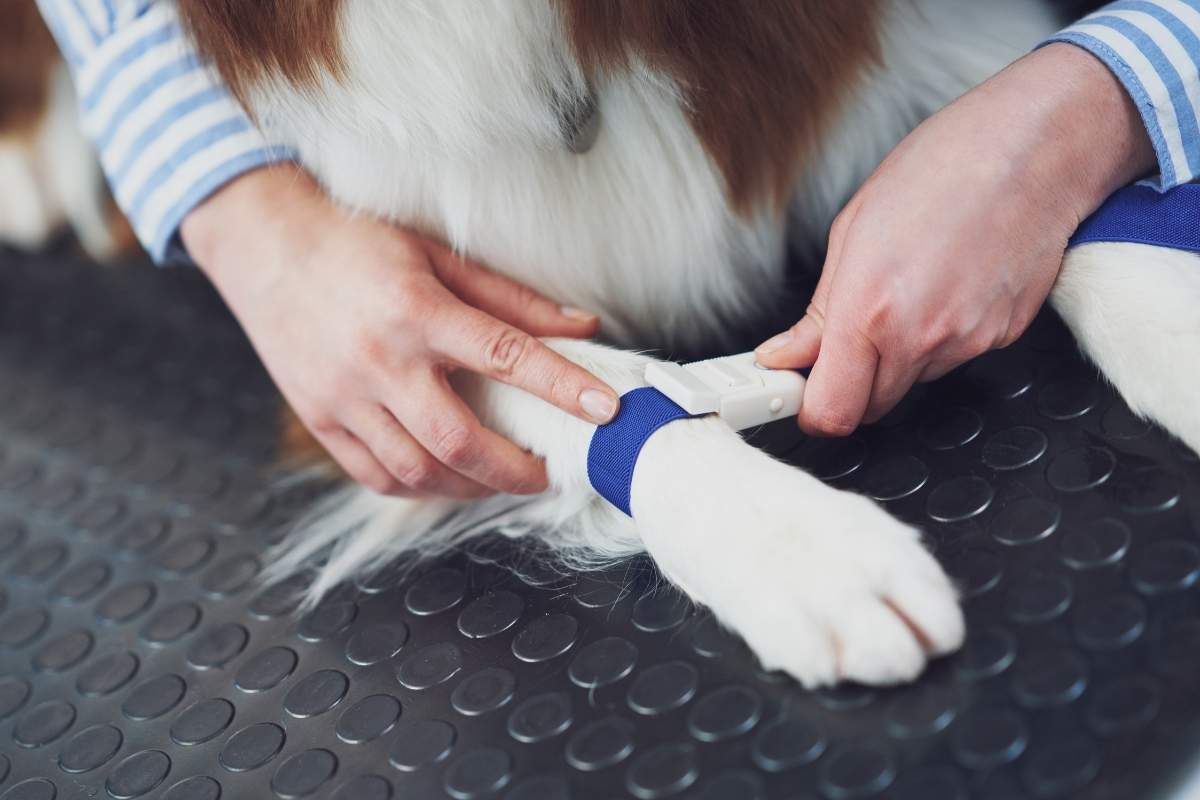
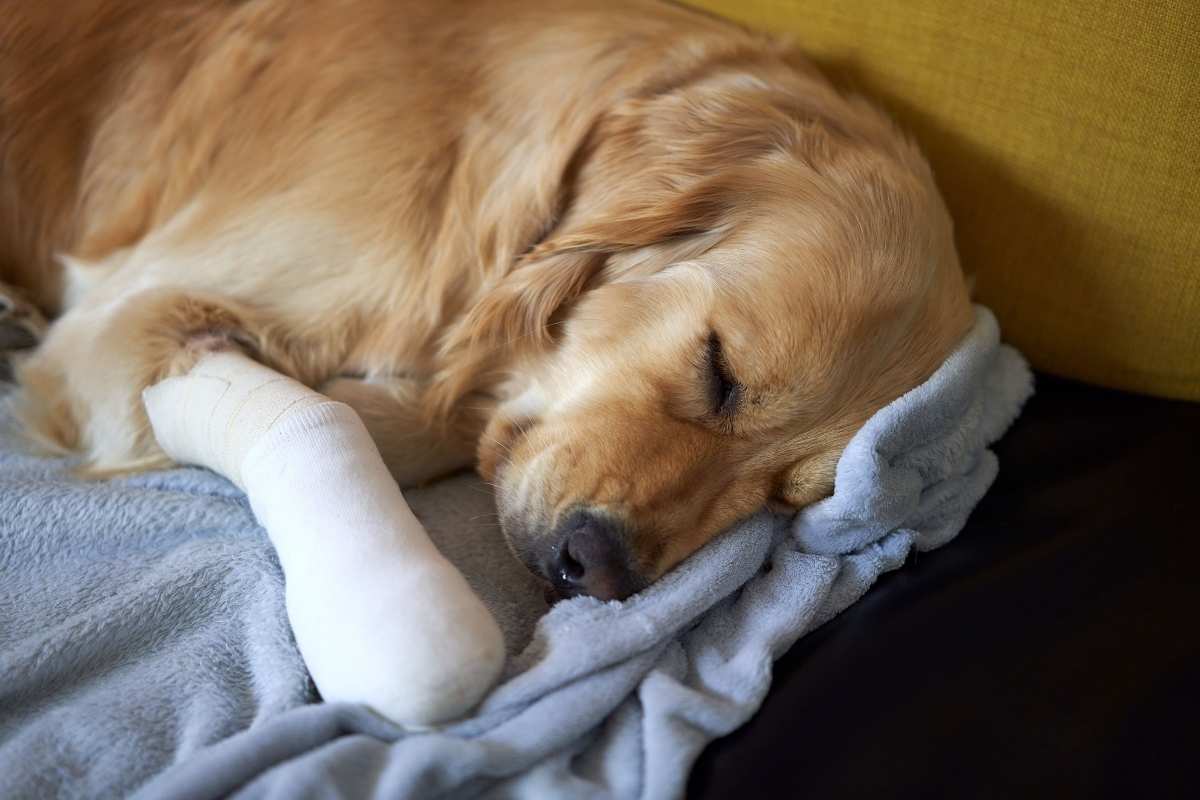
Noticing your dog suddenly limping can be worrying, especially when you’re unsure whether it’s a minor issue or a more serious injury like a torn ACL. At Dogwood Animal Hospital, we understand how important it is for pet owners to quickly recognize signs of discomfort and take appropriate action. While some limping may be caused by minor strains, a torn ACL (cranial cruciate ligament) is a common and more serious condition that may require professional care or even pet surgery. This guide will help you perform a simple at-home check and understand when it’s time to seek veterinary help, especially for pet owners in Lawrenceville & Grayson, GA.
What Is a Torn ACL in Dogs?
The ACL (cranial cruciate ligament) is a key ligament in your dog’s knee joint that helps stabilize movement. When it becomes partially or fully torn, it can lead to pain, instability, and difficulty walking.
ACL injuries are common in active dogs, but can also occur due to gradual wear and tear over time.
Common Signs of an ACL Injury
Before performing any at-home checks, observe your dog for these symptoms:
- Sudden limping or lameness
- Refusal to bear weight on one leg
- Difficulty standing or sitting
- Swelling around the knee joint
- Reduced activity or reluctance to play
If you notice these signs, it may indicate a more serious issue than a simple strain.
Quick Home Test to Check for a Torn ACL
While a definitive diagnosis requires a veterinarian, you can perform a gentle observation-based check at home:
1. Watch Your Dog Walk
Observe how your dog moves on a flat surface. Dogs with a torn ACL often:
- Hold one leg up
- Walk unevenly
- Avoid putting weight on the affected leg
2. Check Sitting Position
When sitting, dogs with ACL injuries may:
- Sit with one leg extended out to the side
- Avoid bending the knee fully
This is sometimes called an “abnormal sit.”
3. Feel for Swelling
Gently touch the knee area (if your dog allows). Signs to look for:
- Warmth or swelling
- Sensitivity or discomfort
Always be cautious and stop if your dog shows pain.
4. Observe Activity Levels
Dogs with ACL injuries often show:
- Decreased interest in activity
- Hesitation to jump, run, or climb stairs
5. Compare Both Legs
Look at both hind legs side by side. Differences in muscle tone or posture may indicate injury.
Important Note About Home Testing
These checks are only for initial observation. They cannot confirm a torn ACL. A proper diagnosis requires a physical examination and possibly imaging by a veterinarian.
ACL Tear vs Minor Limp: Key Differences
| Minor Limp | Possible ACL Tear |
| Improves with rest | Persists or worsens |
| Mild discomfort | Noticeable pain |
| Normal sitting posture | Abnormal leg position |
| No swelling | Swelling in knee |
| Active behavior returns | Reduced activity |
Recognizing these differences can help you decide when to seek professional care.
When Should You See a Veterinarian?
You should consult a veterinarian if:
- Limping lasts more than 48 hours
- Your dog refuses to bear weight
- Swelling or pain increases
- Activity levels significantly decrease
Early diagnosis can prevent further joint damage and improve recovery outcomes.
Treatment Options for ACL Injuries
Depending on the severity, treatment may include:
- Rest and anti-inflammatory medications
- Physical therapy
- Weight management
- Pet surgery for complete ligament tears
Surgical procedures are often recommended for active dogs or severe injuries to restore stability and function.
How to Support Your Dog at Home
While waiting for a veterinary evaluation, you can:
- Limit physical activity
- Prevent jumping or running
- Provide a comfortable resting area
- Use leash walks only for bathroom breaks
These steps can help prevent further injury and reduce discomfort.
Identifying whether your dog’s limp is due to a torn ACL or a minor issue requires careful observation and timely action. While simple at-home checks can provide useful clues, they are not a substitute for professional diagnosis. Recognizing the warning signs early can help ensure your dog receives the appropriate care and avoids long-term complications.
Caring for your dog’s mobility and joint health is essential for their overall well-being. If you suspect an ACL injury or notice persistent limping, it’s important to seek expert guidance. You can schedule your appointment at Dogwood Animal Hospital for a thorough evaluation. If you’re in Lawrenceville & Grayson, GA, working with a trusted veterinary team can help your dog recover safely and return to an active lifestyle.
FAQs:
Q1. Can I diagnose a torn ACL at home?
Ans. No, home checks can only provide clues. A veterinarian must confirm the diagnosis.
Q2. How long should I wait before seeing a vet for limping?
Ans. If limping lasts more than 48 hours, consult a veterinarian.
Q3. Do all ACL tears require surgery?
Ans. Not always, but severe cases often require pet surgery for proper healing.
Q4. Can a dog walk with a torn ACL?
Ans. Some dogs may walk slightly but often avoid putting weight on the affected leg.
Q5. What causes ACL tears in dogs?
Ans. They can result from sudden movement, injury, or gradual ligament degeneration.
Q6. How can I prevent ACL injuries in my dog?
Ans. Maintain a healthy weight, avoid excessive jumping, and provide regular exercise.