2050 Sugarloaf Parkway, Lawrenceville, Georgia 30045

Best Foods to Support Healing After Spay Surgery

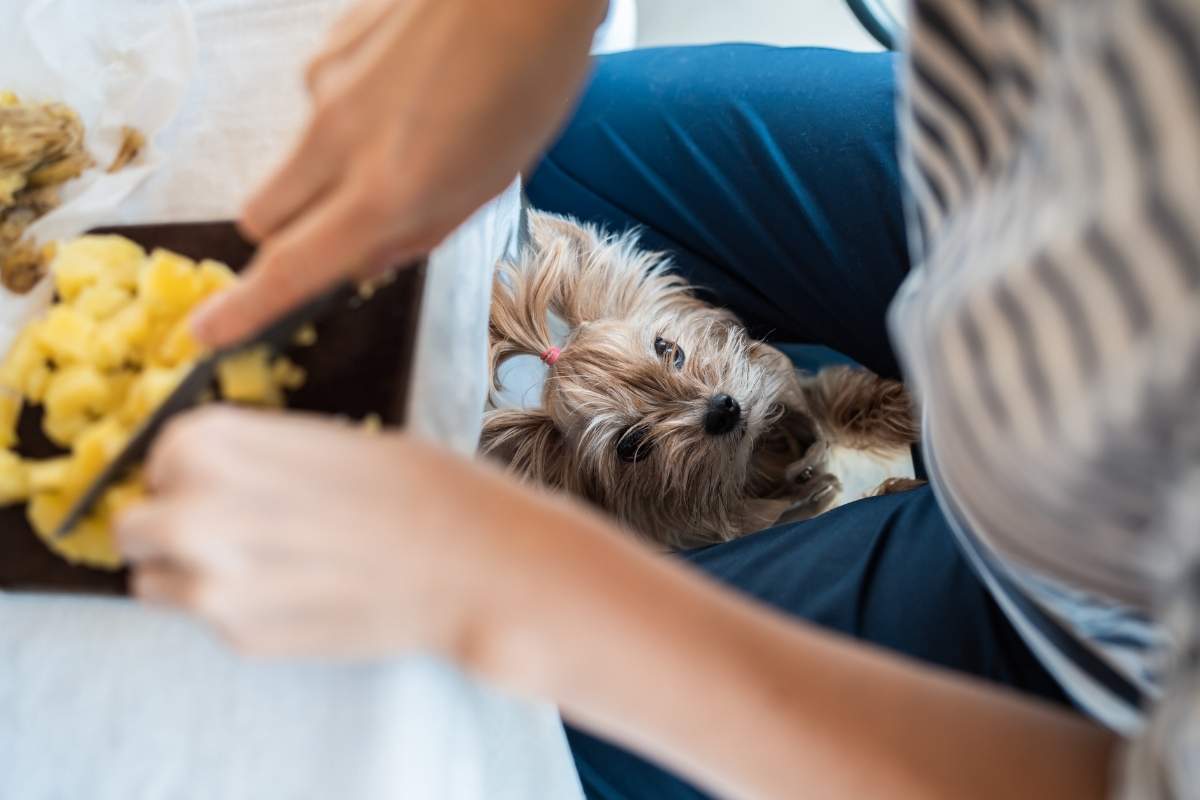
Proper nutrition plays a major role in how quickly and comfortably a dog recovers after spaying surgery. While the procedure itself is routine and safe, the recovery period requires careful attention to diet, hydration, and overall care. At Dogwood Animal Hospital, veterinarians often emphasize that the right foods can support tissue repair, reduce inflammation, and help restore energy levels more efficiently.
Why Nutrition Matters After Spay Surgery
After spay surgery, a dog’s body focuses on healing internal tissues and managing post-operative inflammation. During this time, proper nutrition helps:
- Support tissue repair and wound healing
- Maintain energy levels during reduced activity
- Strengthen the immune system
- Prevent digestive upset caused by stress or medications
A balanced, easily digestible diet is essential during the first 7–14 days after surgery.
Key Nutritional Goals During Recovery
When selecting post-spay foods, focus on:
- High-quality protein for tissue repair
- Easily digestible ingredients
- Moderate fat content for energy
- Vitamins and minerals that support immunity
- Adequate hydration
Avoid sudden dietary changes, as they may cause gastrointestinal upset during recovery.
Best Foods to Support Healing After Spay Surgery
1. Lean Proteins
Protein is essential for healing incision sites and rebuilding tissue. Good options include:
- Boiled chicken (skinless, boneless)
- Turkey
- Lean ground beef (cooked and drained)
- Eggs (scrambled or boiled, without seasoning)
These provide essential amino acids that support recovery.
2. Easily Digestible Carbohydrates
Carbohydrates help maintain energy levels while being gentle on the stomach:
- Plain white rice
- Oatmeal (unsweetened)
- Boiled sweet potatoes
These foods are easy to digest and help regulate bowel movements during recovery.
3. Hydration-Supporting Foods
Hydration is critical after surgery, especially if appetite is reduced. Consider:
- Bone broth (low sodium, no onions or garlic)
- Wet or canned dog food
- Water-rich homemade meals
Keeping your dog hydrated supports circulation and healing.
4. Fiber-Rich Vegetables
Fiber helps maintain healthy digestion and prevents constipation, which can sometimes occur after anesthesia:
- Cooked carrots
- Green beans
- Pumpkin (plain, canned)
These should be served in moderation and properly cooked for easy digestion.
5. Veterinary-Recommended Recovery Diets
Special recovery formulas are designed to meet post-surgical nutritional needs. These diets are balanced and often recommended after procedures performed through veterinary surgery, ensuring optimal healing support without unnecessary stress on the digestive system.
In many cases, veterinarians may suggest the temporary use of these diets until your dog returns to normal activity levels.
Foods to Avoid After Spay Surgery
Certain foods can slow recovery or cause complications:
- Fatty or fried foods
- Seasoned or spicy foods
- Dairy products (if lactose sensitive)
- Raw meat or bones
- Table scraps or processed human food
Avoiding these helps prevent digestive upset and supports smoother healing.
Feeding Tips for a Smooth Recovery
- Offer small, frequent meals instead of large portions
- Monitor appetite closely for the first few days
- Ensure fresh water is always available
- Avoid sudden diet changes unless directed by your veterinarian
- Keep feeding areas calm and stress-free
These small adjustments can significantly improve recovery comfort.
The Role of Veterinary Guidance in Recovery
Professional veterinary surgery care does not end once the procedure is complete. Post-operative nutrition guidance is a critical part of ensuring safe healing.
Ongoing veterinary surgery aftercare includes monitoring appetite, adjusting diet if needed, and ensuring that your dog is recovering at a healthy pace. Veterinarians may also recommend supplements or prescription diets based on individual needs.
Supporting Healing Beyond Diet
While food is important, overall recovery also depends on:
- Limiting physical activity and jumping
- Keeping the incision site clean and dry
- Following medication schedules precisely
- Attending follow-up appointments
Nutrition works best when combined with proper rest and care.
Help Your Dog Recover Comfortably
A well-planned diet can make a meaningful difference in how quickly your dog heals after spaying surgery. By focusing on balanced nutrition, hydration, and veterinarian-approved foods, you can support a smoother and more comfortable recovery process.
If you have questions about post-surgery feeding or recovery care, contact Dogwood Animal Hospital for expert guidance tailored to your pet’s needs.
FAQs for Pet Owners
Q1. What should I feed my dog immediately after spaying surgery?
Ans. Start with small portions of bland, easily digestible foods like boiled chicken and rice unless your veterinarian recommends otherwise.
Q2. How long should I follow a recovery diet?
Ans. Most dogs need a special diet for about 7–14 days, depending on healing progress.
Q3. Can my dog eat regular food after surgery?
Ans. Yes, but only after your veterinarian confirms that digestion and appetite have returned to normal.
Q4. Is it normal for my dog to eat less after surgery?
Ans. Yes, mild appetite loss is common for a short period due to anesthesia and medication.
Q5. Are treats allowed during recovery?
Ans. Only vet-approved, low-fat treats should be given in moderation.
Q6. When should I contact the vet about eating problems?
Ans. If your dog refuses food for more than 24 hours or shows signs of discomfort, contact your veterinarian immediately.