2050 Sugarloaf Parkway, Lawrenceville, Georgia 30045

How to Keep Your Pet Cool in the Heat: Treats, Play, and Safety Tips for Summer

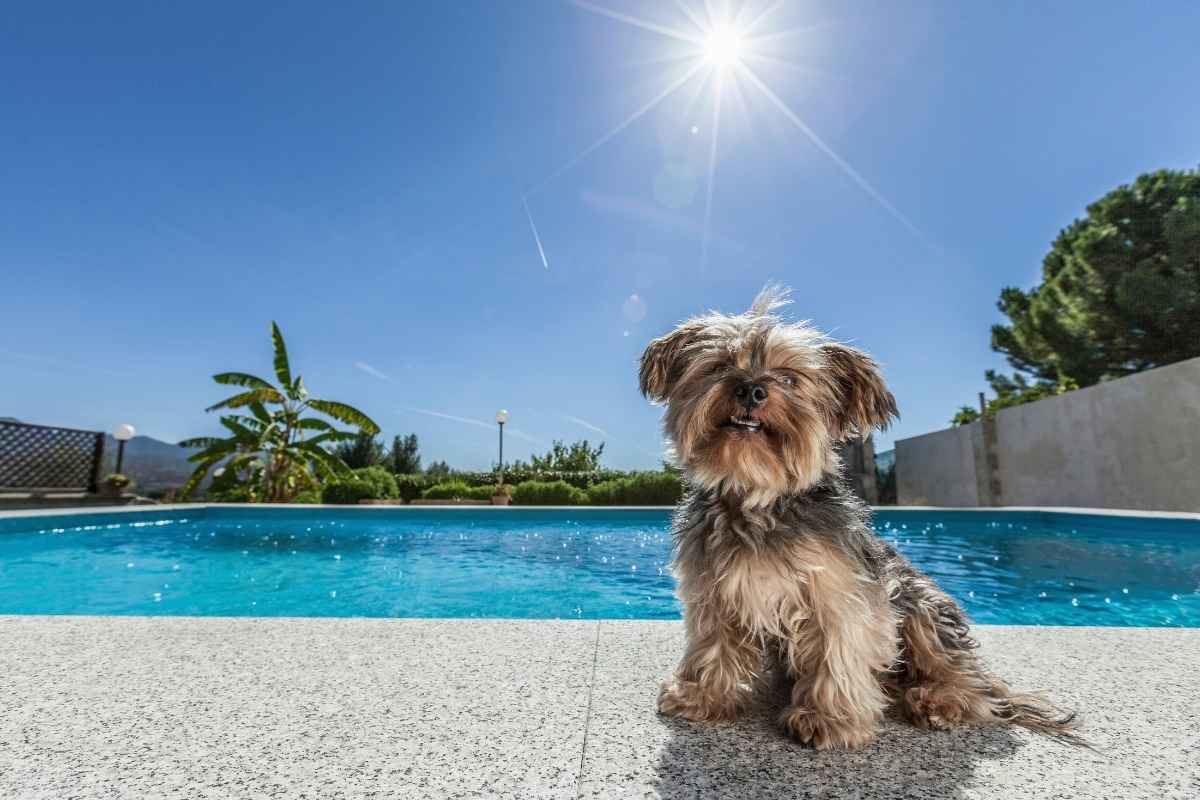
Summer can be an exciting season for pets and their owners, filled with outdoor walks, backyard playtime, and family adventures. However, rising temperatures also increase the risk of dehydration, heat exhaustion, burned paw pads, and other heat-related health concerns in dogs and cats. Pets can overheat much faster than humans, making summer safety an important part of seasonal pet care.
At Dogwood Animal Hospital, veterinarians often help pet owners prepare for warmer weather by offering guidance on hydration, exercise routines, and heat safety. Understanding how to keep pets cool during the hottest months can help prevent emergencies and support overall health and comfort.
For pet owners in Lawrenceville, hot temperatures and humidity during the summer months can create additional challenges for pets spending time outdoors. Learning safe ways to keep pets active and comfortable can make summer more enjoyable for the entire family.
Why Heat Can Be Dangerous for Pets
Dogs and cats do not cool themselves the same way humans do. Pets primarily regulate body temperature through panting and limited sweating through their paw pads. During extreme heat or humidity, these cooling methods may not work efficiently enough.
Certain pets face a higher risk of overheating, including:
- Flat-faced breeds such as Bulldogs and Pugs
- Senior pets
- Overweight animals
- Puppies and kittens
- Pets with heart or respiratory conditions
- Thick-coated breeds
Without proper precautions, heat-related illness can develop quickly and become life-threatening.
Signs of Heat Exhaustion in Pets
Recognizing early signs of overheating is critical for preventing serious complications.
Common symptoms include:
- Excessive panting
- Drooling
- Weakness or lethargy
- Vomiting
- Bright red gums
- Difficulty walking
- Rapid heart rate
- Collapse
Pets showing these symptoms should be moved to a cool area immediately, offered water, and evaluated by a veterinarian as soon as possible.
Safe Ways to Keep Pets Cool During Summer
Provide Constant Access to Fresh Water
Hydration is one of the most important ways to protect pets from overheating. Water bowls should always be accessible indoors and outdoors.
Adding ice cubes or using pet water fountains may encourage some pets to drink more frequently.
Avoid Midday Outdoor Activity
The hottest part of the day typically occurs between late morning and early evening. Walks and exercise are often safer during early mornings or after sunset when temperatures are cooler.
Hot pavement can also burn paw pads, so checking surfaces before walks is important.
Create Cool Indoor Spaces
Air conditioning, fans, shaded areas, and cooling mats can help pets stay comfortable indoors.
Pets should never be left inside parked vehicles, even for a short period of time, because temperatures can rise dangerously within minutes.
Fun Summer Treats for Pets
Cooling treats can help pets stay refreshed while adding enrichment to their day.
Frozen Fruit Snacks
Pet-safe fruits such as blueberries, watermelon (seedless), and strawberries can be frozen for a refreshing snack.
Frozen Broth Cubes
Low-sodium broth frozen into ice cube trays may encourage hydration while providing a flavorful treat.
Pet-Friendly Frozen Toys
Stuffing toys with wet food or peanut butter and freezing them can create cooling mental stimulation for dogs.
Treats should always be given in moderation and approved by a veterinarian if pets have dietary restrictions.
Summer Play Ideas That Reduce Overheating
Keeping pets mentally and physically active during hot weather does not always require intense outdoor exercise.
Indoor Enrichment Games
Puzzle toys, scent games, and indoor obstacle courses can help pets burn energy safely indoors.
Water Play
Many dogs enjoy shallow splash pools or gentle sprinkler play. Supervision is important to ensure pets remain safe around water.
Shorter Walks With Breaks
Instead of long hikes in high temperatures, shorter walks with frequent rest breaks can reduce heat exposure while still providing exercise.
Grooming and Seasonal Care
Proper grooming may help pets stay more comfortable during warmer weather.
Regular brushing removes excess fur and improves airflow through the coat. However, shaving double-coated breeds completely is not always recommended because their coat also helps protect against sun exposure and temperature extremes.
Routine summer veterinary care can also help identify underlying health conditions that may increase heat sensitivity in pets.
In some cases, preventive veterinary care may include weight management recommendations, hydration guidance, or seasonal parasite prevention during warmer months.
Protecting Pets From Summer Hazards
Summer introduces additional risks beyond heat exposure.
Pet owners should also watch for:
- Tick and flea exposure
- Hot grills or fire pits
- Dehydration during travel
- Toxic plants
- Sunburn in light-colored pets
- Unsafe swimming conditions
Being proactive about seasonal safety can help prevent avoidable emergencies.
Summer can be a fun and active season for pets, but rising temperatures also increase health risks that should not be ignored. Simple precautions such as hydration, shaded rest areas, safe exercise routines, and cooling treats can help pets stay safer and more comfortable during hot weather.
If you’re in Lawrenceville and need guidance from a vet near you about summer pet safety and seasonal wellness, schedule your appointment with Dogwood Animal Hospital. Their team can help you create a personalized plan to support your pet’s comfort, health, and safety throughout the warmer months.
Frequently Asked Questions
Q1. How hot is too hot for dogs to walk outside?
Ans. Many dogs begin struggling in temperatures above 85°F, especially when humidity is high.
Q2. Can pets get sunburned?
Ans. Yes. Light-colored pets and pets with thin fur are more vulnerable to sunburn, particularly on the nose and ears.
Q3. Are ice cubes safe for dogs?
Ans. Yes, in moderation. Ice cubes can help cool pets down, but they should not replace proper hydration.
Q4. What should I do if my pet overheats?
Ans. Move your pet to a cool area, offer water, use cool towels, and contact a veterinarian immediately.
Q5. Can cats overheat indoors?
Ans. Yes. Cats without proper ventilation or cooling may also experience heat stress during extreme temperatures.
Q6. Are cooling vests helpful for dogs?
Ans. Cooling vests may help some dogs stay comfortable during outdoor activities when used properly.