2050 Sugarloaf Parkway, Lawrenceville, Georgia 30045

What are the first signs of heart failure in cats?

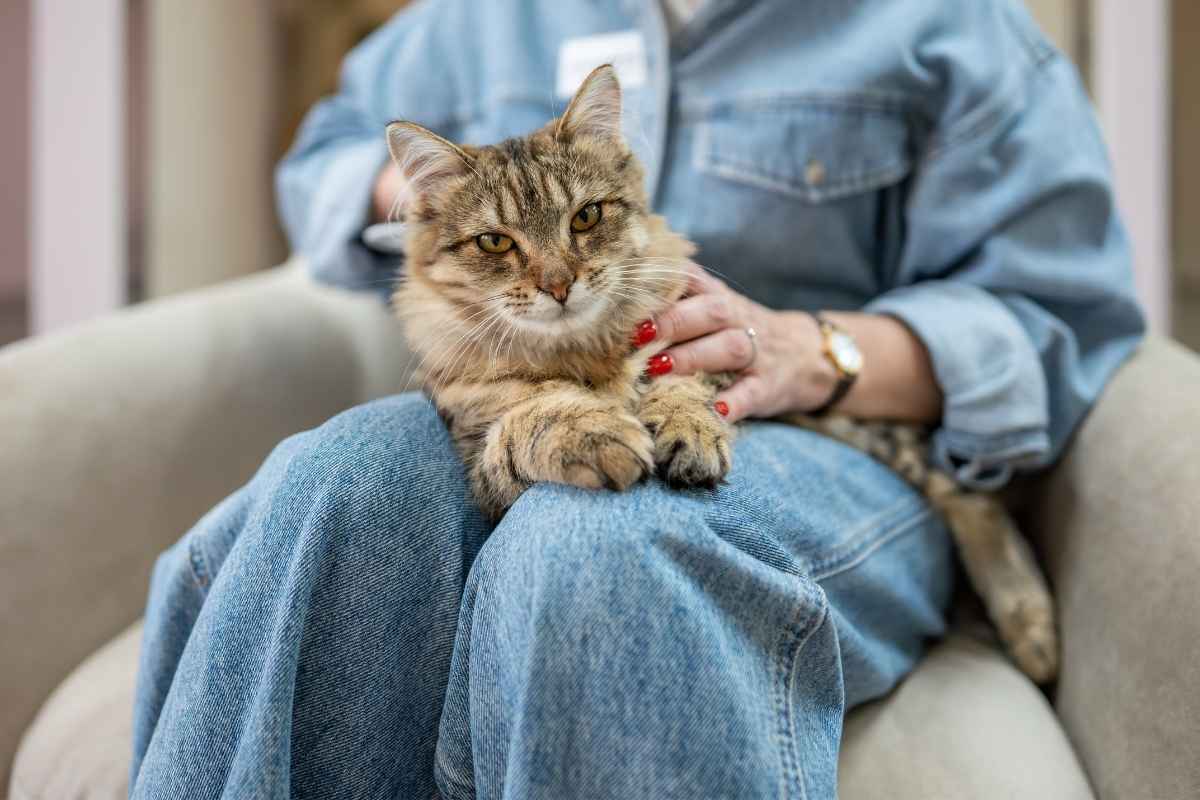
Heart failure in cats is a serious condition that can be hard to spot in its early stages. As a pet owner, being aware of the minor signs can make a big difference in getting your cat the help it needs quickly. Starting treatment early can slow or prevent the disease from getting worse, which may save your cat’s life. Let’s learn the first signs of heart failure in cats so you can take action before the condition becomes severe.
Changes in Breathing Patterns
A change in your cat’s breathing may be one of the first signs of heart problems. If your cat starts breathing faster than usual or has difficulty catching its breath, it could be a warning sign. Heart issues can lead to fluid buildup in the lungs, making breathing harder. You might notice your cat panting heavily, breathing with an open mouth, or coughing, especially when resting or after light activity. If these signs persist or seem to worsen, you need to visit a veterinarian right away.
Lethargy and Decreased Activity
Cats with heart failure often show a noticeable drop in activity. Usually playful and energetic, your cat might suddenly become very tired, less interested in playing, or seem more lethargic than usual. This happens because the heart is not pumping blood effectively, which means vital organs are not getting enough oxygen and nutrients. If you notice your cat sleeping more than usual or losing interest in activities they used to enjoy, it could be an early sign of heart trouble.
Loss of Appetite or Weight Loss
Another early sign to watch for is when a cat suddenly loses interest in food or starts losing weight without any apparent reason. When the heart isn’t functioning correctly, it can affect the cat’s overall health and may cause digestive issues. Cats with heart problems might feel nauseous, which can lead to them refusing to eat. If your cat stops eating or begins losing weight even though they are still eating normally, it is essential to take them to the vet. This helps determine whether heart failure or another health issue is the cause and ensures they receive the proper care quickly.
Swelling in the Abdomen or Limbs
Abdominal or leg swelling can be a sign that a cat is experiencing heart failure. When the heart does not pump blood effectively, fluid can accumulate in the body, causing swelling. If you notice that your cat’s belly looks bloated or its legs appear swollen, it could be related to fluid retention caused by heart problems. This situation needs prompt attention from a veterinarian, as left untreated, the fluid buildup can be harmful to your cat’s health.
Coughing and Wheezing
Coughing in cats is more than just an occasional issue; it can also be an early warning sign of a heart problem. Although there are many reasons cats may cough, such as infections or asthma, heart failure should be considered a possibility. When a cat’s heart is not working correctly, blood can flow backward into the lungs, causing congestion and irritation that lead to coughing or wheezing. If your cat develops a persistent cough or starts wheezing, it is essential to get them checked by a veterinarian as soon as possible.
When to Seek Veterinary Help
Detecting the first signs of heart failure in cats can be difficult because symptoms tend to develop gradually. Closely watching your cat’s behavior, breathing, and appetite can help you spot problems early. If you see any of these signs, it is vital to get your cat checked by a veterinarian as soon as possible.
Take Action for Your Cat’s Heart Health
If your cat shows any signs of heart failure, it is essential to act quickly. The sooner the problem is diagnosed, the more treatment options will be available to help your cat feel better and live comfortably. At Dogwood Animal Hospital in Lawrenceville, GA, we are experienced in caring for cats with heart problems. Our team will perform a thorough checkup and recommend the best treatment plan for your pet’s specific needs.
It is essential to be proactive about your cat’s health and to watch for early signs of trouble. If you think your cat might be experiencing heart issues, it is best to schedule a complete examination with your veterinarian. Getting help early can improve your cat’s chances of a better outcome and help them live a longer, healthier life. Schedule your appointment at Dogwood Animal Hospital to ensure your cat receives timely, expert care.
FAQs
Q1. Can heart failure in cats be reversed?
Ans. Heart failure in cats is a progressive condition, and while it cannot be fully reversed, early intervention can significantly slow its progression and improve quality of life.
Q2. What are the treatment options for cats with heart failure?
Ans. Treatment options for heart failure in cats may include medication to reduce fluid buildup, improve heart function, and address underlying causes like high blood pressure or arrhythmias.
Q3. How can I prevent heart failure in my cat?
Ans. While not all cases are preventable, regular veterinary checkups and maintaining a healthy weight can help reduce the risk of heart disease and detect early signs of heart failure.
Q4. What is the life expectancy of a cat with heart failure?
Ans. The life expectancy of a cat with heart failure varies based on the severity of the condition and how early it is diagnosed. With proper treatment, many cats can live comfortably for months or even years.
Q5. Is heart failure in cats hereditary?
Ans. Heart disease in cats can have hereditary components, particularly in certain breeds. However, lifestyle factors and age can also contribute to the development of heart failure.