2050 Sugarloaf Parkway, Lawrenceville, Georgia 30045

Christmas Vacation Checklist for Pet Owners: A Stress-Free Holiday Guide

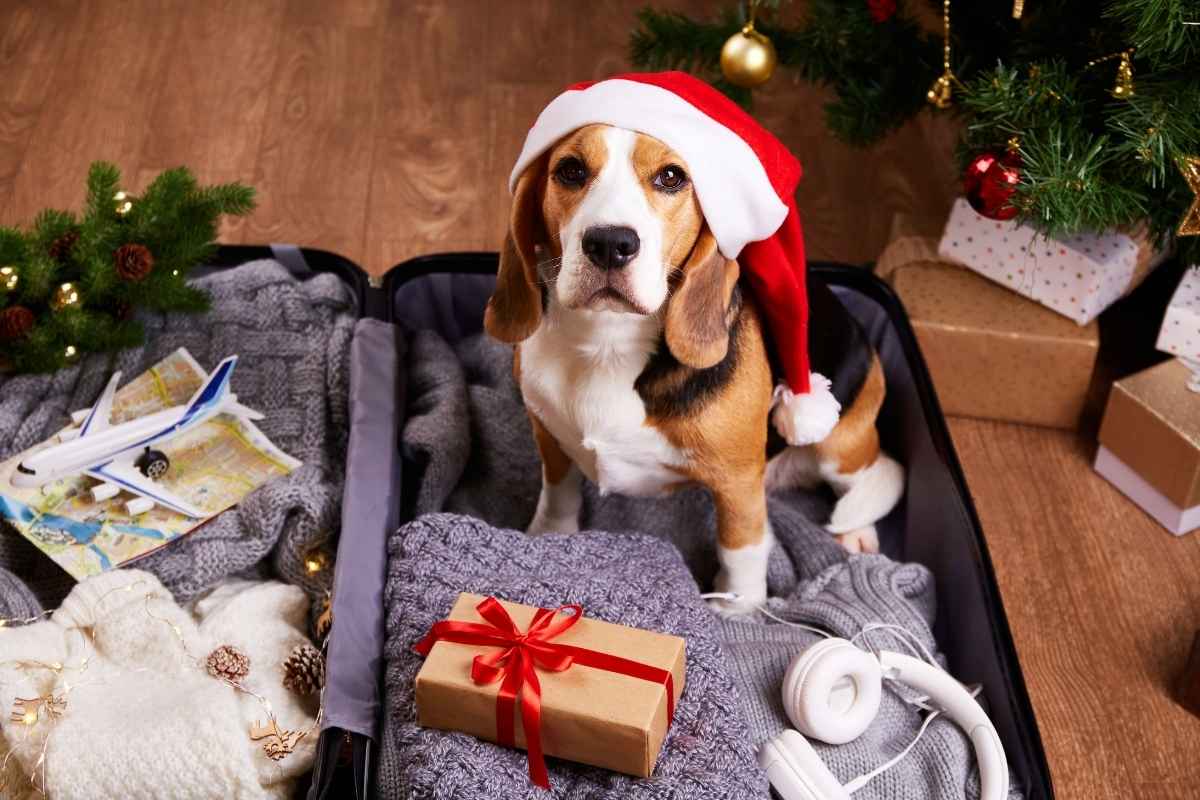
The holiday season in Lawrenceville, Georgia means festive celebrations, family reunions, and exciting vacation plans. Whether you’re traveling across the country or hosting relatives at home, your beloved pet needs special consideration during this busy time. Proper preparation ensures your four-legged companion stays safe, happy, and stress-free throughout your Christmas getaway.
Creating a comprehensive Christmas vacation checklist for pet owners eliminates last-minute scrambles and forgotten essentials. This guide walks you through everything from travel preparations to boarding considerations. Let’s ensure your holiday adventures include peace of mind about your furry family member.
Planning Ahead for Your Holiday Travels
Successful pet care during vacations starts weeks before departure. Early planning gives you time to address health requirements, arrange accommodations, and gather necessary supplies.
Additionally, the holiday season creates high demand for pet services. Boarding facilities, pet sitters, and veterinary clinics book quickly during Christmas. Therefore, securing reservations early prevents disappointing surprises.
Essential Pre-Travel Veterinary Preparations
Before any vacation, schedule a wellness check for your pet. Your veterinarian can address health concerns and update necessary documentation.
Complete these tasks before traveling:
- Update all vaccinations as required
- Obtain health certificates for airline travel
- Refill prescription medications adequately
- Request copies of medical records
- Discuss anxiety management options
- Verify microchip information is current
Updating Identification and Contact Information
Lost pets during holidays create heartbreaking situations. Consequently, ensuring proper identification becomes critically important before any trip.
Check that collar tags display current phone numbers and addresses. Update microchip registration with temporary contact information if staying elsewhere. Consider adding a GPS tracker for extra security during travel.
Deciding Between Boarding and Pet Sitting
Choosing the right care arrangement depends on your pet’s personality and needs. Both boarding facilities and in-home pet sitters offer distinct advantages worth considering.
When Boarding Works Best
Professional boarding facilities provide structured environments with constant supervision. Active, social pets often thrive in these settings.
Boarding advantages include:
- Round-the-clock staff presence
- Secure, escape-proof facilities
- Socialization opportunities with other pets
- Established emergency protocols
- Climate-controlled environments
Tour potential boarding facilities before making reservations. Ask about daily routines, feeding schedules, and exercise protocols. Verify their emergency veterinary procedures as well.
Benefits of Professional Pet Sitting
Some pets experience anxiety in unfamiliar environments. For these companions, in-home pet sitting provides comfortable alternatives.
Pet sitters maintain your pet’s normal routine and surroundings. This reduces stress significantly for older pets or those with medical conditions. Your home also receives added security while you’re away.
Traveling With Your Pet This Christmas
Many families prefer bringing their furry companions along for holiday adventures. Proper preparation makes traveling together enjoyable and safe for everyone.
Road Trip Essentials for Pet Owners
Long car journeys require thoughtful planning to keep your pet comfortable throughout the trip.
Pack these road trip necessities:
- Secure crate or safety harness
- Familiar blankets and favorite toys
- Portable food and water bowls
- Adequate food supply plus extra
- Current medications with instructions
- Waste bags and cleaning supplies
- Recent photo for emergencies
Plan regular stops every two to three hours for bathroom breaks and stretching. Never leave your pet unattended in parked vehicles, regardless of outside temperature.
Air Travel Considerations for Pets
Flying with pets requires additional preparation and documentation. Each airline maintains specific policies regarding pet transport.
Contact your airline weeks in advance to understand requirements completely. Book direct flights whenever possible to minimize stress. Acclimate your pet to their travel carrier before departure day.
Preparing Your Home for Holiday Guests
Staying home doesn’t eliminate pet care concerns during Christmas. House guests, decorations, and schedule changes affect your companion significantly.
Creating Safe Spaces During Gatherings
Large gatherings overwhelm many pets quickly. Designate a quiet room where your pet can retreat from holiday chaos.
Stock this sanctuary with comfortable bedding, fresh water, and familiar toys. Inform guests about respecting your pet’s space. This prevents escape attempts when doors open frequently.
Managing Dietary Temptations
Well-meaning guests often share food with eager pets. Unfortunately, many holiday treats cause serious health problems.
Brief visitors about your pet’s dietary restrictions clearly. Provide approved treats they can offer instead. Monitor your pet closely during meal times and parties.
Emergency Preparedness During the Holidays
Accidents happen despite careful planning. Having emergency resources readily available ensures quick responses when needed.
Keep these contacts accessible:
- Regular veterinarian’s holiday hours
- Nearest emergency animal hospital
- Poison control hotline number
- Pet sitter or boarding facility contacts
- Trusted neighbor for backup support
The holidays are a time to create memories, not stress. By taking the time to plan ahead, you are giving your pet the gift of safety and yourself the gift of peace of mind. Whether you are navigating airports or setting up a cozy spot for them at a boarding facility, preparation is the key to success.
Don’t let the holiday hustle catch you off guard. Review your Christmas Vacation Checklist for Pet Owners today. If you need to update vaccines, get a health certificate, or refill a prescription before you go, Contact Us at Dogwood Animal Hospital to schedule your appointment.
Frequently Asked Questions:
Q1: How can I keep my dog calm during a long car ride?
Ans: Exercise them heavily before you leave. A tired dog is a calm dog. You can also use calming pheromone sprays or consult your vet about anti-anxiety medication if they suffer from severe travel stress.
Q2: Is it safe to fly with a snub-nosed breed (like a Pug or Bulldog)?
Ans: We urge extreme caution. Many airlines ban these breeds from cargo due to respiratory risks. If they cannot fly in the cabin with you, driving is a much safer option.
Q3: What should I do if my pet gets lost while we are on vacation?
Ans: Immediately contact local shelters and animal control in that area. Post a clear photo on local social media groups. This is why a microchip is your best insurance policy.
Q4: My relative’s house has other pets. How do I introduce them?
Ans: Introduce dogs on neutral territory (like a sidewalk) first. Keep them separated when unsupervised. Do not force interaction; let them take their time.
Q5: Can I share my Christmas dinner with my pet?
Ans: It is best to stick to their regular food. However, a small amount of plain, cooked white turkey meat (no skin, bones, or gravy) is generally safe. Avoid fatty foods like ham skins, which can cause pancreatitis.
Q6: Do I need flea and tick prevention in the winter?
Ans: Yes. Ticks can be active any time the temperature is above freezing, and fleas thrive in heated homes. Do not skip a dose just because it is December.