2050 Sugarloaf Parkway, Lawrenceville, Georgia 30045

13 Things Vets Check During a Senior Dog’s Annual Wellness Exam


As dogs age, their healthcare needs can change. A senior dog may continue to eat, play, and interact normally while developing subtle changes that are difficult for an owner to notice at home. Routine wellness examinations give veterinarians an opportunity to evaluate these changes, identify potential health concerns, and adjust care as a dog gets older.
At Dogwood Animal Hospital, senior pet care focuses on monitoring the changes that can accompany aging while supporting comfort, mobility, nutrition, and overall quality of life. A senior wellness exam is more than a quick physical check. Depending on the dog’s age, breed, medical history, and risk factors, the veterinarian may evaluate several areas of health and recommend additional screening.
Why Are Annual Wellness Exams Important for Senior Dogs?
Older dogs have a higher risk of developing certain age-related conditions, including arthritis, dental disease, kidney disease, heart disease, diabetes, vision problems, and some cancers.
Dogs can also be remarkably good at hiding discomfort. A gradual reduction in activity may look like normal aging when it could actually be related to pain or an underlying medical condition.
Regular examinations help establish a baseline for your dog’s health. Comparing findings from previous visits can make it easier to identify meaningful changes over time.
Depending on your dog’s age and health, your veterinarian may recommend examinations more frequently than once a year.
13 Things Vets Check During a Senior Dog’s Wellness Exam
1. Overall Appearance and Body Condition
The examination begins with an overall assessment of your dog’s appearance and physical condition. The veterinarian may observe posture, movement, alertness, coat quality, muscle mass, and general behavior.
Body condition is particularly important in senior dogs. Excess weight can increase stress on aging joints, while unexplained weight loss can be associated with dental disease, digestive problems, metabolic conditions, or other illnesses.
The veterinarian may assess your dog’s body condition separately from the number shown on the scale.
2. Weight and Muscle Mass
Weight changes can provide important clues about a senior dog’s health.
Unexpected weight gain may indicate reduced activity, excessive calorie intake, or changes in metabolism. Weight loss may occur because of reduced appetite, difficulty eating, muscle loss, chronic disease, or other medical concerns.
Senior dogs can also lose muscle even when their overall body weight appears relatively stable. Evaluating muscle condition helps provide a more complete picture of physical health.
Your veterinarian can recommend appropriate nutrition and exercise based on your dog’s individual condition.
3. Heart and Lung Health
A veterinarian will listen to your dog’s heart and lungs with a stethoscope. This allows them to assess heart rate, rhythm, and breathing sounds.
Abnormal heart sounds, irregular rhythms, coughing, or changes in respiratory patterns may indicate a need for additional evaluation.
Some heart conditions progress gradually, so a dog may not show obvious symptoms at home during the early stages. Routine examinations can help identify changes before they become more apparent.
4. Dental and Oral Health
Dental disease is common in dogs and becomes particularly important to monitor as they age. Plaque and tartar can contribute to gingivitis, periodontal disease, oral pain, loose teeth, and other problems.
During the examination, the veterinarian may look for:
- Tartar buildup
- Red or swollen gums
- Broken or loose teeth
- Oral masses
- Bad breath
- Signs of discomfort
Some dental disease develops below the gumline and cannot be fully evaluated during a basic visual inspection. If significant disease is suspected, professional dental treatment and dental radiographs may be recommended.
5. Joint and Mobility Changes
Arthritis and other orthopedic conditions are common in older dogs. A senior dog may not always limp even when experiencing joint discomfort.
Your veterinarian may evaluate your dog’s gait, posture, range of motion, muscle condition, and response to joint manipulation.
At home, owners should watch for subtle changes such as:
- Difficulty getting up
- Reluctance to climb stairs
- Reduced interest in walks
- Difficulty jumping
- Stiffness after resting
- Slower movement
- Changes in sleeping locations
Early recognition of mobility problems can help veterinarians develop strategies to improve comfort and maintain function.
6. Skin and Coat Condition
The skin and coat can reveal information about a dog’s overall health. During an examination, the veterinarian may check for lumps, skin infections, parasites, inflammation, hair loss, abnormal odor, and changes in coat quality.
New lumps deserve attention, particularly if they are growing, changing, bleeding, or causing discomfort. Many skin masses are benign, but physical appearance alone cannot always determine what a mass is.
If a concerning growth is found, your veterinarian may recommend additional testing, such as a fine-needle aspiration or biopsy.
7. Eyes and Vision
Vision can change as dogs age. A veterinarian may examine the eyes for cloudiness, redness, discharge, abnormal pupil responses, or other changes.
Age-related lens changes can occur, but not every cloudy eye is simply a normal consequence of aging. Conditions such as cataracts, glaucoma, inflammation, and other eye disorders may require specific evaluation.
Owners should report changes such as bumping into objects, difficulty navigating in dim lighting, unusual eye redness, squinting, or increased eye discharge.
8. Ears and Hearing
The ears may be examined for inflammation, infection, wax buildup, parasites, odor, or other abnormalities.
Hearing can also decline with age. A dog that no longer responds to sounds that previously caught its attention may be experiencing hearing loss.
Do not assume every change in responsiveness is behavioral. A veterinary examination can help determine whether sensory changes or another health issue may be contributing.
9. Abdominal Organs
During an abdominal examination, the veterinarian gently palpates the abdomen to evaluate structures and identify areas of pain, enlargement, unusual firmness, or other abnormalities.
This part of the examination can provide useful information about the gastrointestinal system and abdominal organs.
Physical palpation cannot identify every internal problem, but abnormal findings may indicate that further testing is appropriate.
10. Lymph Nodes
Lymph nodes are part of the immune system and can become enlarged for several reasons, including infection, inflammation, and certain cancers.
Veterinarians routinely feel accessible lymph nodes during physical examinations. Changes in size, consistency, or sensitivity can provide clues that additional testing may be needed.
This is one reason regular examinations are valuable even when your dog appears healthy.
11. Neurological Function and Behavior
Changes in behavior can sometimes be associated with pain, sensory decline, neurological conditions, or age-related cognitive changes.
Your veterinarian may observe your dog’s alertness, coordination, posture, gait, and responses during the examination.
Owners should mention changes such as:
- Increased confusion
- Getting stuck in corners
- Restlessness at night
- Altered sleep patterns
- Increased vocalization
- Reduced interaction
- House-soiling
- Changes in familiar routines
Not every behavioral change is caused by cognitive decline. Medical conditions should be considered before assuming a change is simply part of aging.
12. Blood and Urine Testing
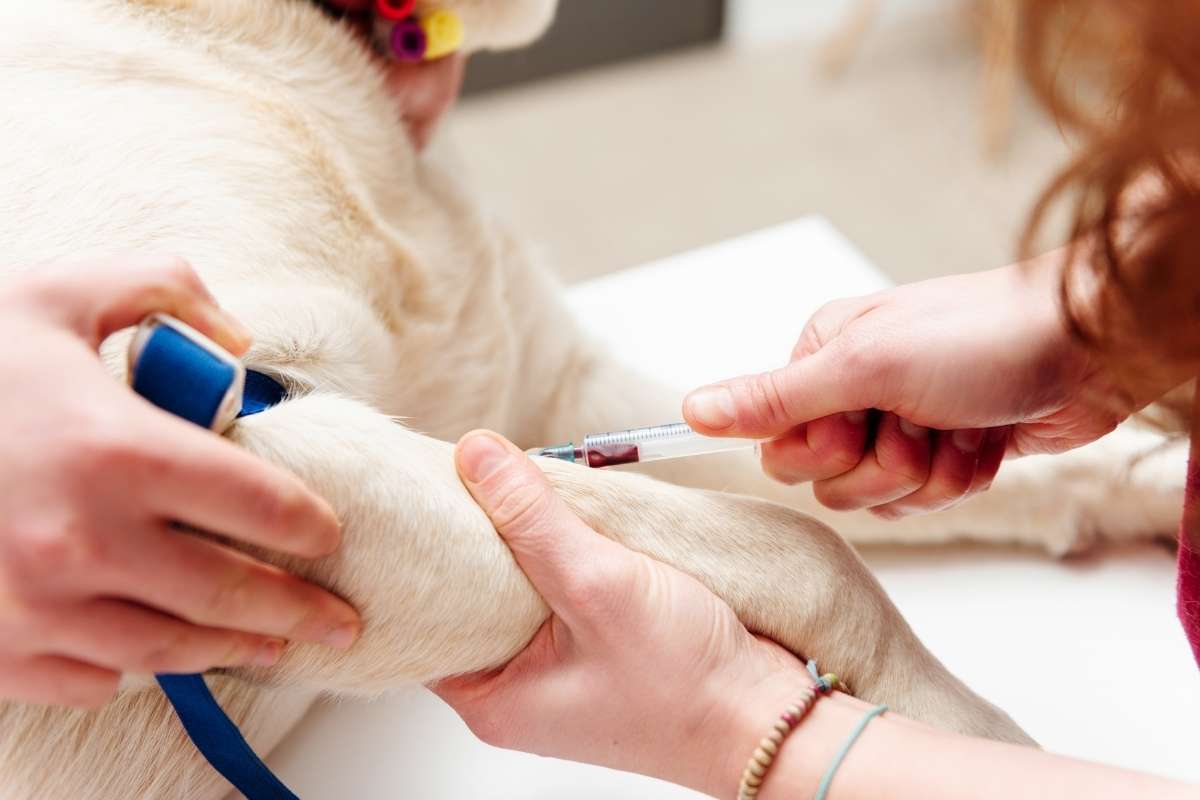
Depending on your dog’s age, medical history, medications, and physical examination findings, your veterinarian may recommend bloodwork and urine testing.
These tests can provide information about organ function, blood cell counts, hydration, glucose levels, and other aspects of health.
Laboratory screening may identify abnormalities before obvious symptoms develop. However, testing recommendations should be individualized because the appropriate screening plan differs between dogs.
If your dog takes long-term medications, periodic laboratory monitoring may also be recommended to assess safety and response to treatment.
13. Vaccinations, Parasite Prevention, and Preventive Care
A senior dog still needs an individualized preventive-care plan. Vaccination recommendations are based on factors such as age, health status, lifestyle, exposure risk, and previous vaccination history.
Parasite prevention may also remain important for older dogs. Fleas, ticks, mosquitoes, and intestinal parasites can affect dogs regardless of age or whether they spend most of their time indoors.
During the wellness visit, your veterinarian can review preventive products, nutrition, weight management, dental care, exercise, and other health priorities.
What Should I Tell the Veterinarian During a Senior Dog Checkup?
Your observations at home are an important part of the examination. Veterinarians may only see your dog for a short period, while you observe their daily habits.
Before the appointment, consider making notes about:
- Appetite and water consumption
- Weight changes
- Bathroom habits
- Activity level
- Sleep patterns
- Mobility
- Coughing or breathing changes
- Vomiting or diarrhea
- New lumps or skin changes
- Changes in behavior
- Dental concerns
- Current medications and supplements
Videos can also be helpful. If your dog has difficulty walking at home but moves normally in the clinic, a short video of the behavior may give your veterinarian valuable context.
How Often Should a Senior Dog See a Veterinarian?
The appropriate examination schedule depends on your dog’s age, breed, health status, and medical history. While healthy adult dogs may have annual wellness visits, some senior dogs benefit from more frequent evaluations.
More frequent monitoring can help track chronic conditions, medication effects, mobility changes, weight, dental health, and other age-related concerns.
Your veterinarian can recommend a schedule tailored to your individual dog rather than relying solely on a standard age-based timetable.
How Can Owners Support Senior Dog Health at Home?
Wellness care continues between veterinary visits. Owners can support healthy aging by providing balanced nutrition, appropriate exercise, dental hygiene, parasite prevention, and a comfortable home environment.
Watch for changes rather than waiting for severe symptoms.
Simple adjustments can also improve daily comfort. Senior dogs may benefit from nonslip flooring, orthopedic bedding, ramps, easier access to food and water, and shorter activity sessions when appropriate.
Avoid making major changes to exercise or diet without considering your dog’s health status. A veterinarian can help determine what is safe and appropriate.
When Should I Contact a Veterinarian Before the Annual Exam?
Do not wait for a routine wellness visit if your senior dog develops a significant or sudden health change.
Prompt veterinary attention may be appropriate for:
- Difficulty breathing
- Collapse or severe weakness
- Sudden inability to walk
- Severe or persistent pain
- Repeated vomiting
- Significant diarrhea
- Loss of appetite lasting longer than expected
- Sudden vision changes
- Difficulty urinating
- Unexplained bleeding
- Seizures
- Major changes in behavior
Early evaluation can be particularly important for older dogs because several conditions can progress quickly.
Why Senior Dog Wellness Should Be Proactive
Aging itself is not a disease, but it changes a dog’s health needs. Routine monitoring allows owners and veterinarians to distinguish normal age-related changes from problems that may require treatment.
A senior wellness exam is also an opportunity to review your dog’s quality of life. Small changes in mobility, appetite, sleep, behavior, or activity can help guide adjustments to nutrition, medication, exercise, or the home environment.
The goal is not simply to help a dog live longer. It is to support comfort, function, and a good quality of life throughout the senior years.
A senior dog’s annual wellness exam can include much more than a basic physical check. Veterinarians may evaluate body condition, muscle mass, heart and lungs, dental health, mobility, skin, eyes, ears, abdominal organs, lymph nodes, neurological function, laboratory values, vaccinations, parasite prevention, and other aspects of preventive health.
For pet owners in Lawrenceville & Grayson, GA, regular wellness monitoring can help identify subtle changes and support healthier aging. Schedule your appointment with Dogwood Animal Hospital to discuss your senior dog’s individual health needs, preventive-care plan, and ways to maintain comfort and quality of life.
FAQs:
Q1. How often should a senior dog have a wellness exam?
Ans: The ideal schedule depends on your dog’s age, breed, health, and medical history. Some senior dogs may benefit from examinations more frequently than once a year. Your veterinarian can recommend an appropriate schedule based on individual risk factors.
Q2. What blood tests are recommended for senior dogs?
Ans: Depending on the dog’s age and health, a veterinarian may recommend a complete blood count, blood chemistry testing, urinalysis, or other diagnostic tests. The appropriate tests vary based on the dog’s medical history and examination findings.
Q3. What are common signs of aging in dogs?
Ans: Gradual changes in activity, sleeping patterns, mobility, vision, hearing, or behavior can occur with age. However, significant or sudden changes should not automatically be considered normal aging because medical conditions can cause similar signs.
Q4. How can I tell if my senior dog is in pain?
Ans: Dogs may show pain through stiffness, reluctance to move, difficulty standing, changes in appetite, altered sleeping positions, withdrawal, irritability, excessive licking, or reduced interest in activities. Some dogs show very subtle signs, so discuss behavioral changes with your veterinarian.
Q5. Do senior dogs still need parasite prevention?
Ans: Yes. Older dogs can still be exposed to fleas, ticks, mosquitoes, and intestinal parasites. Preventive recommendations should be based on the dog’s lifestyle, geographic exposure, health status, and veterinary guidance.
Q6. What should I bring to my senior dog’s wellness appointment?
Ans: Bring a list of current medications and supplements, information about diet, recent changes in appetite or behavior, vaccination records if available, and any questions you have noticed at home. Videos of unusual behaviors or mobility changes can also be useful for the veterinary team.