2050 Sugarloaf Parkway, Lawrenceville, Georgia 30045

Dog Tick Fever: Early Signs, Symptoms & When to See a Vet


Tick-borne diseases in dogs can be alarming, especially because their symptoms often appear subtle at first. Many pet owners may not realize their dog has been exposed to ticks until noticeable health changes occur. Dog tick fever is one such condition that requires prompt attention, as early detection can significantly improve outcomes.
At Dogwood Animal Hospital, we understand how concerning it can be when your dog isn’t acting like themselves. Tick fever, often caused by infections transmitted through tick bites, can affect dogs of all ages and breeds. Knowing what to look for – and when to seek help – can make all the difference in your pet’s recovery.
1. What Is Dog Tick Fever?
Dog tick fever is a general term used to describe infections caused by tick-borne pathogens, such as Ehrlichia, Anaplasma, and sometimes Rocky Mountain spotted fever. These infections are transmitted when an infected tick bites your dog and passes bacteria into the bloodstream.
Once inside the body, these organisms can affect your dog’s immune system and blood cells. In some cases, the disease may progress through different stages—acute, subclinical, and chronic – each with varying symptoms.
Because the early stages can be mild or even unnoticed, routine check-ups and awareness are essential in protecting your dog’s health.
2. Early Signs of Tick Fever in Dogs
Recognizing early signs of tick fever can help you act quickly. One of the first symptoms many pet owners notice is a sudden drop in energy levels. Your dog may seem unusually tired or less interested in activities they normally enjoy.
Loss of appetite is another common early indicator. Even a slight decrease in eating habits should not be ignored, especially if it persists for more than a day or two.
You may also observe mild fever, swollen lymph nodes, or stiffness when your dog moves. These early signs can be easy to overlook, but they often signal that something isn’t right.
3. Common Symptoms to Watch For
As tick fever progresses, symptoms may become more pronounced. Dogs can develop noticeable fever, weight loss, and lethargy. In some cases, you may see bruising or small red spots on the skin, which can indicate blood clotting issues.
Other symptoms include nasal discharge, eye inflammation, or coughing. Some dogs may also experience joint pain, making it difficult for them to walk or climb stairs.
In more severe cases, neurological symptoms such as difficulty balancing or seizures may occur. These advanced signs require immediate veterinary attention.
4. When Should You See a Vet?
If you notice any of the symptoms mentioned above, it’s important to consult a veterinarian as soon as possible. Early diagnosis allows for timely treatment, which often leads to better recovery outcomes.
You should seek veterinary care immediately if your dog shows signs of persistent fever, extreme lethargy, or unusual bleeding. These symptoms may indicate a more advanced stage of infection.
Even if symptoms appear mild, it’s better to err on the side of caution. Tick-borne diseases can progress quickly, and delaying care can lead to complications.
5. Diagnosis and Treatment Options
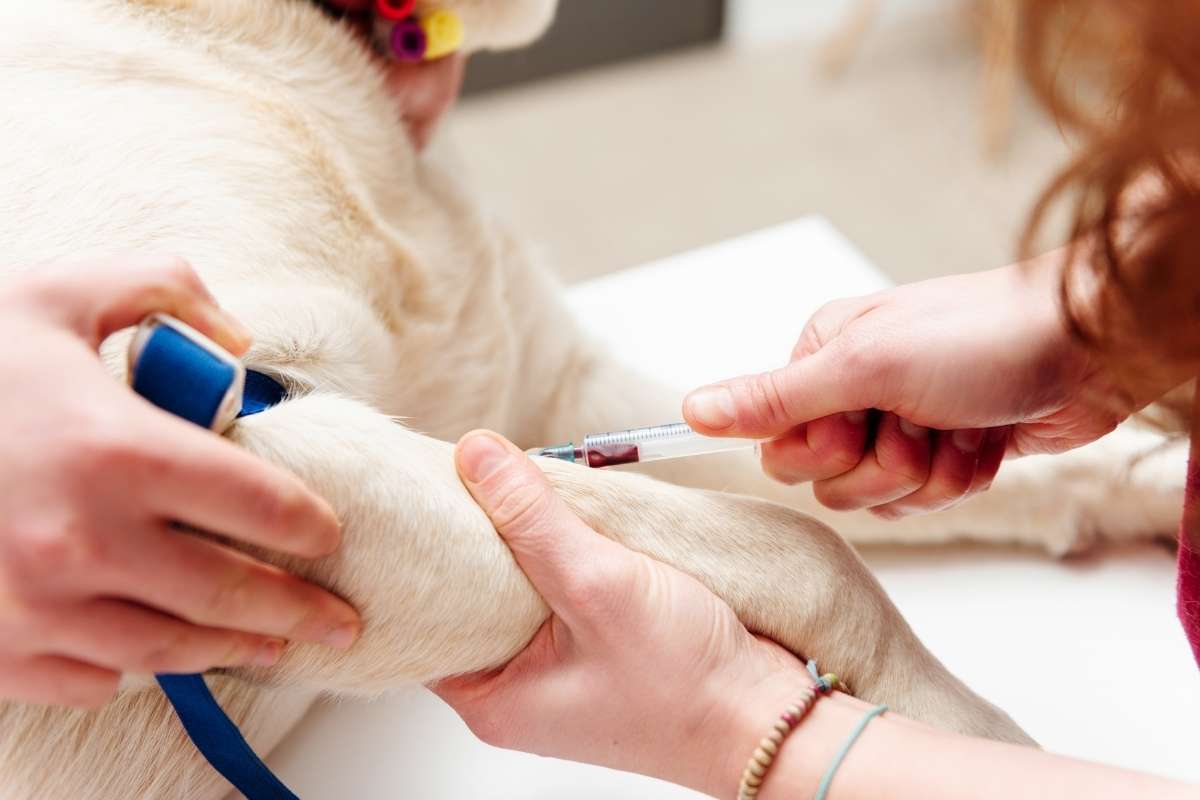
Diagnosing tick fever typically involves a combination of physical examination and diagnostic tests. Blood tests are commonly used to detect the presence of tick-borne pathogens and evaluate your dog’s overall health.
Treatment often includes antibiotics, which are highly effective when started early. Most dogs respond well to treatment within a few days, although the full course of medication must be completed to prevent recurrence.
In more severe cases, supportive care such as fluids or hospitalization may be necessary. Your veterinarian will tailor the treatment plan based on your dog’s condition.
6. Preventing Tick Fever in Dogs
Prevention is always better than cure when it comes to tick-borne diseases. Regular use of tick preventatives is one of the most effective ways to protect your dog.
After outdoor activities, especially in wooded or grassy areas, check your dog thoroughly for ticks. Pay close attention to areas like the ears, neck, and between the toes.
Maintaining a clean yard and avoiding tick-prone areas can also reduce exposure. Preventive veterinary care plays a key role in keeping your dog safe year-round.
Dog tick fever is a serious but manageable condition when detected early. By understanding the signs, symptoms, and risk factors, you can take proactive steps to protect your dog’s health.
Routine check-ups, preventive measures, and timely veterinary visits are essential in reducing the risk of complications. While tick exposure is common in many regions, awareness and early action can make a significant difference.
No matter where you live, staying informed and vigilant is the best way to keep your dog healthy and happy.
If you suspect your dog may be showing signs of tick fever or simply want to stay ahead with preventive care, don’t wait. Schedule your appointment with Dogwood Animal Hospital to ensure your pet receives timely and professional attention.
While this guide is helpful for dog owners everywhere, it is particularly relevant for those seeking dependable veterinary care in Lawrenceville & Grayson, GA, where seasonal tick exposure is a common concern.
FAQs
Q1: What causes tick fever in dogs?
Ans: Tick fever is caused by bacteria transmitted through the bite of an infected tick.
Q2: How soon do symptoms appear after a tick bite?
Ans: Symptoms can appear within 1–3 weeks, depending on the type of infection.
Q3: Can tick fever be cured in dogs?
Ans: Yes, most dogs recover fully with prompt antibiotic treatment.
Q4: Is tick fever contagious to other pets?
Ans: No, it is not directly contagious. It spreads through tick bites, not from dog to dog.
Q5: How can I protect my dog from ticks?
Ans: Use vet-recommended tick preventatives and regularly check your dog after outdoor activities.
Q6: Should I remove ticks myself?
Ans: Yes, but use proper tools and techniques. If unsure, consult your veterinarian for safe removal.