2050 Sugarloaf Parkway, Lawrenceville, Georgia 30045

How Often Should Pets Get Blood Tests? A Guide to Wellness Screening

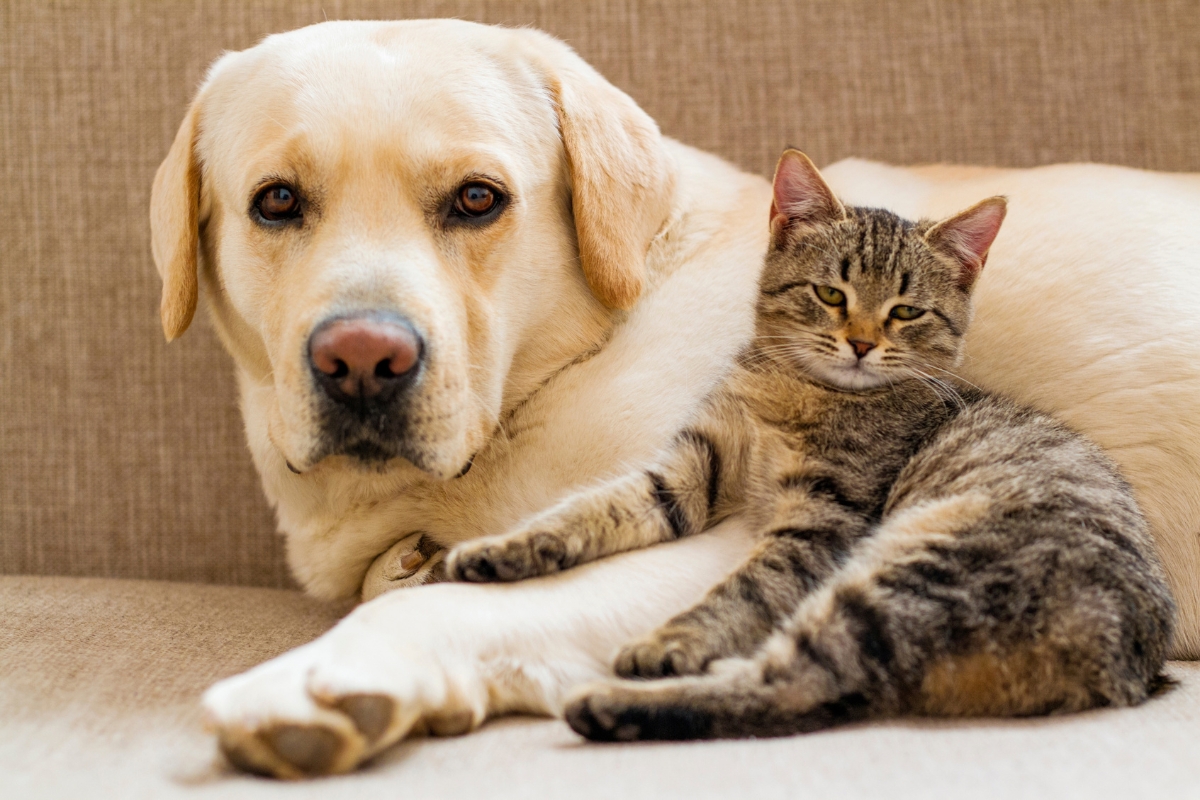
Your dog may still race toward the door when it’s time for a walk, and your cat may continue enjoying every meal. But feeling healthy on the outside doesn’t always mean everything is functioning normally inside. Kidney problems, liver disorders, and other medical conditions can develop gradually without causing noticeable symptoms. Routine blood tests help veterinarians identify certain changes before they begin affecting a pet’s daily life.
Many pet owners wonder whether bloodwork is necessary when their pets seem perfectly healthy. The answer depends on their age, medical history, lifestyle, and overall condition. This guide is especially for pet owners in Lawrenceville who want to understand how often their dogs and cats need blood tests and how wellness screening can support their long-term health.
Why Are Routine Blood Tests Important for Dogs and Cats?
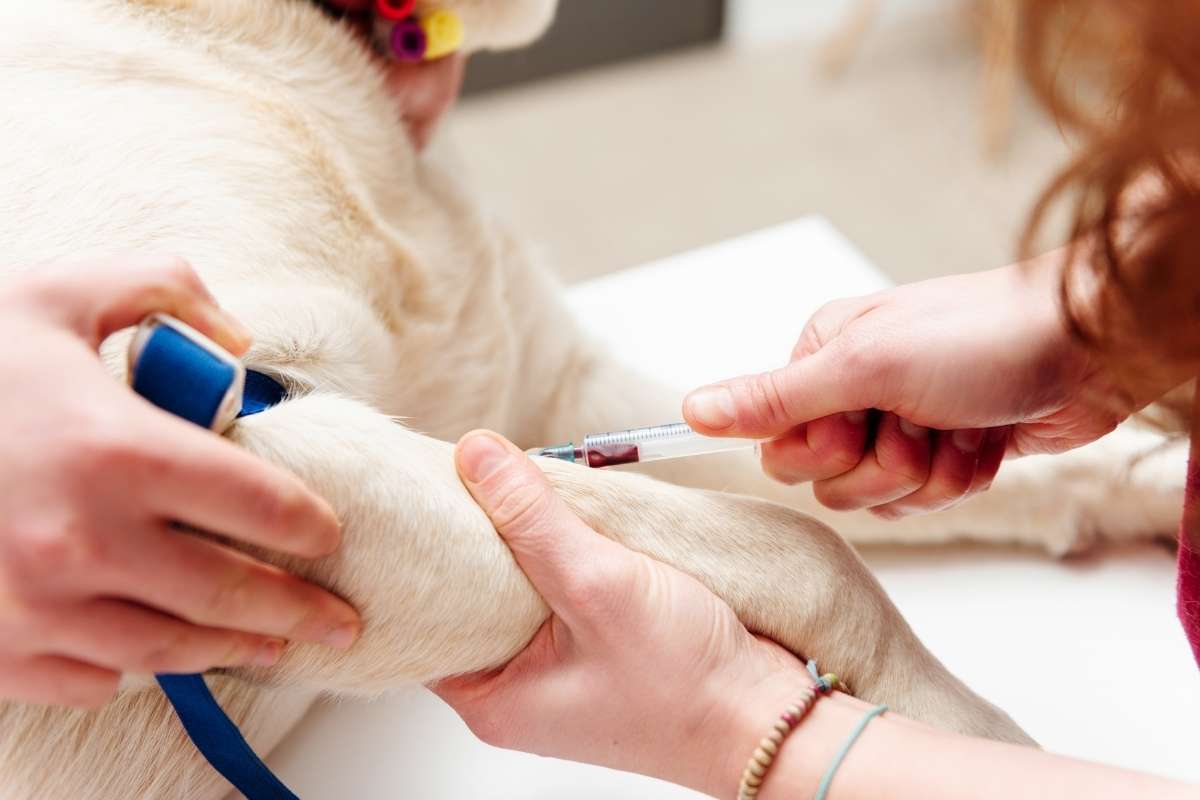
Blood tests provide information about a pet’s internal health that a physical examination alone cannot reveal. They help veterinarians evaluate organ function, identify certain abnormalities, and investigate possible illnesses.
Routine screening also establishes baseline values. These results give veterinarians a reference point for comparing future tests and recognizing changes over time.
For pets receiving regular preventive care, bloodwork can help identify health concerns that might otherwise remain unnoticed until symptoms develop.
However, blood tests cannot detect every disease. Veterinarians interpret results alongside physical examinations, medical histories, and other diagnostic findings.
How Often Should Pets Have Blood Tests Based on Their Age?
There isn’t one testing schedule that works for every pet. Veterinarians consider age, breed, previous test results, medications, and existing health conditions before recommending bloodwork.
Puppies and Kittens: Testing During Early Development
Young puppies and kittens do not automatically need comprehensive blood panels at every wellness visit. However, veterinarians may recommend specific tests based on their health history and upcoming procedures.
Bloodwork may be recommended to:
- Evaluate organ function before anesthesia.
- Investigate poor growth, weakness, or digestive problems.
- Identify certain infections or underlying health concerns.
- Establish baseline values when medically appropriate.
For healthy puppies and kittens, the testing schedule depends on individual health needs rather than a fixed monthly requirement.
Adult Dogs and Cats: Annual Wellness Screening
Healthy adult pets may benefit from bloodwork approximately once a year, particularly when their veterinarian recommends routine screening.
Annual testing can help identify changes in kidney function, liver enzymes, blood cell counts, and other health indicators.
Our vets evaluate each pet’s health history and examination findings before recommending tests. Some healthy young adults may not require comprehensive bloodwork every year, while others benefit from closer monitoring.
Senior Pets: Blood Tests Every Six Months May Be Recommended
As pets grow older, their risk of developing certain medical conditions increases. Kidney disease, thyroid disorders, diabetes, and other illnesses become more common with age.
Veterinarians may recommend bloodwork every six months for some senior pets, particularly those with existing health concerns.
Regular testing helps monitor changes and determine whether additional examinations or treatment adjustments are necessary.
Senior status varies by species, breed, and size. Larger dogs often reach their senior years earlier than smaller dogs.
What Do Pet Wellness Blood Tests Actually Check?
A wellness blood panel may include several tests that evaluate different aspects of your pet’s health.
Complete Blood Count (CBC)
A CBC measures red blood cells, white blood cells, and platelets.
It can help identify abnormalities associated with anemia, inflammation, certain infections, and blood-clotting problems.
Blood Chemistry Panel
A chemistry panel evaluates substances circulating in the bloodstream.
These measurements provide information about kidney function, liver health, blood sugar, proteins, and electrolyte balance.
Thyroid Testing
Thyroid testing may be recommended for older pets or animals showing symptoms of hormonal disorders.
Cats commonly develop hyperthyroidism as they age, while dogs are more likely to develop hypothyroidism.
Additional Health Screening
Depending on the pet’s needs, veterinarians may recommend heartworm testing, screening for tick-borne diseases, or other laboratory tests.
Urinalysis may also be performed alongside bloodwork to provide additional information about kidney and urinary health.
What Health Problems Can Routine Pet Bloodwork Help Detect?
Certain medical conditions develop slowly, making early changes difficult for owners to recognize.
Blood tests can help identify abnormalities associated with several health concerns.
- Kidney disease: Changes in kidney-related blood values may indicate reduced kidney function. Urine testing often provides additional information.
- Liver disorders: Elevated liver enzymes or other abnormal values may suggest liver injury or dysfunction that requires further investigation.
- Diabetes: Elevated blood glucose may raise concerns about diabetes, although additional testing is usually needed to confirm a diagnosis.
- Anemia: A low red blood cell count may indicate blood loss, reduced blood cell production, or another underlying problem.
- Thyroid disorders: Hormone testing can help diagnose thyroid conditions that affect metabolism, weight, and energy levels.
Abnormal results do not always indicate a serious disease. Our vets consider the complete clinical picture before recommending further testing or treatment.
When Should Pets Get Blood Tests More Frequently?
Some pets need bloodwork more often than their routine wellness schedule.
Additional testing may be necessary when a pet:
- Has a diagnosed kidney, liver, or endocrine condition.
- Takes medications requiring periodic laboratory monitoring.
- Experiences unexplained weight loss or appetite changes.
- Develops unusual thirst or increased urination.
- Shows persistent vomiting, diarrhea, or weakness.
- Requires evaluation before certain surgical procedures.
A pet’s condition determines how frequently testing should occur. For some animals, follow-up bloodwork may be necessary within weeks rather than months.
Owners should not wait for the next scheduled wellness visit when symptoms appear.
How Does Wellness Screening Support Long-Term Pet Health?
Wellness screening becomes more useful when veterinarians can compare results collected over time.
For example, a kidney-related value may remain within the laboratory’s reference range but change noticeably compared with an individual pet’s previous results. This pattern may prompt closer monitoring or additional testing.
Routine preventive care also gives veterinarians opportunities to review nutrition, body weight, parasite protection, vaccinations, and changes in daily behavior.
At our veterinary practice, wellness examinations include a nose-to-tail assessment and recommendations based on each pet’s needs. Our team may recommend health screenings when they are appropriate for identifying potential concerns.
How Can Pet Owners Prepare for a Blood Test?
Blood collection is generally a quick procedure, although some pets may feel briefly uncomfortable.
A few simple preparations can make the visit easier.
- Ask about fasting: Some blood tests require fasting, while others do not. Follow your veterinarian’s instructions.
- Bring medication information: Tell the veterinary team about prescriptions, supplements, and recent treatments.
- Share behavioral changes: Mention differences in appetite, energy, drinking habits, or bathroom routines.
- Bring previous records: Earlier laboratory results can help veterinarians identify meaningful changes.
After testing, our vets can explain the findings and discuss whether additional monitoring or treatment is necessary.
Why Does Choosing the Right Blood Testing Schedule Matter?
Testing too infrequently may delay the recognition of certain health problems. However, unnecessary testing can create additional expenses and sometimes produce incidental findings that require further investigation.
The goal is to select appropriate tests at appropriate intervals. A young, healthy dog may have different screening needs than an older cat taking medication for a chronic condition. Even pets of similar ages may require different schedules.
Our veterinary practice considers these individual differences when discussing wellness recommendations with pet owners.
Give Your Pet a Healthier Tomorrow With Regular Wellness Screening
Blood tests offer valuable insight into your pet’s health, even when everything appears normal at home. Regular screening can help identify certain medical changes, support timely treatment decisions, and give veterinarians a clearer understanding of your pet’s health as they age.
At Dogwood Animal Hospital, we believe ongoing wellness visits are an important part of helping pets enjoy healthy, active lives. Our veterinary team provides wellness examinations, laboratory testing, and individualized health recommendations for dogs and cats.
If you’re in Lawrenceville and wondering whether your pet is due for bloodwork, contact us today at 678-377-0070 to schedule a wellness appointment. Our vets will help determine which screenings are appropriate for your companion and create a plan to support their health through every stage of life.
Frequently Asked Questions
Q1. Do healthy pets really need routine blood tests?
And: Yes, healthy pets can benefit from routine bloodwork because certain illnesses develop without obvious symptoms. A veterinarian can determine whether annual testing or another schedule is appropriate based on age, health history, and individual risk factors.
Q2. How often should senior dogs and cats have bloodwork?
And: Some senior pets benefit from blood tests every six months. Pets with chronic medical conditions or medications requiring monitoring may need testing more frequently. The recommended interval depends on their health and previous laboratory results.
Q3. Can blood tests detect kidney disease in pets?
And: Blood tests can identify abnormalities associated with reduced kidney function. However, veterinarians often recommend urinalysis and sometimes additional testing to evaluate kidney health more completely and determine the underlying cause.
Q4. Where can I schedule routine pet blood tests in Lawrenceville?
And: Dogwood Animal Hospital provides veterinary laboratory testing and wellness services in Lawrenceville. Our vets can assess your pet’s health, recommend appropriate screening, and explain laboratory findings to help you make informed healthcare decisions.
Q5. Does Dogwood Animal Hospital offer wellness screening for senior pets in Lawrenceville?
And: Yes. Dogwood Animal Hospital offers senior wellness plans that include health screening for dogs and cats. Depending on the plan, testing includes a complete blood count, blood chemistry, thyroid screening, and urinalysis to help monitor age-related health changes.
Q6. Can I combine my pet’s bloodwork with a wellness examination in Lawrenceville?
And: Yes. At Dogwood Animal Hospital, our vets can discuss recommended bloodwork during your pet’s wellness examination. Combining appropriate screening with a routine visit allows our team to evaluate physical health, review medical history, and recommend additional testing when necessary.