2050 Sugarloaf Parkway, Lawrenceville, Georgia 30045

How Long Should I Keep My Pet Quiet After Surgery?

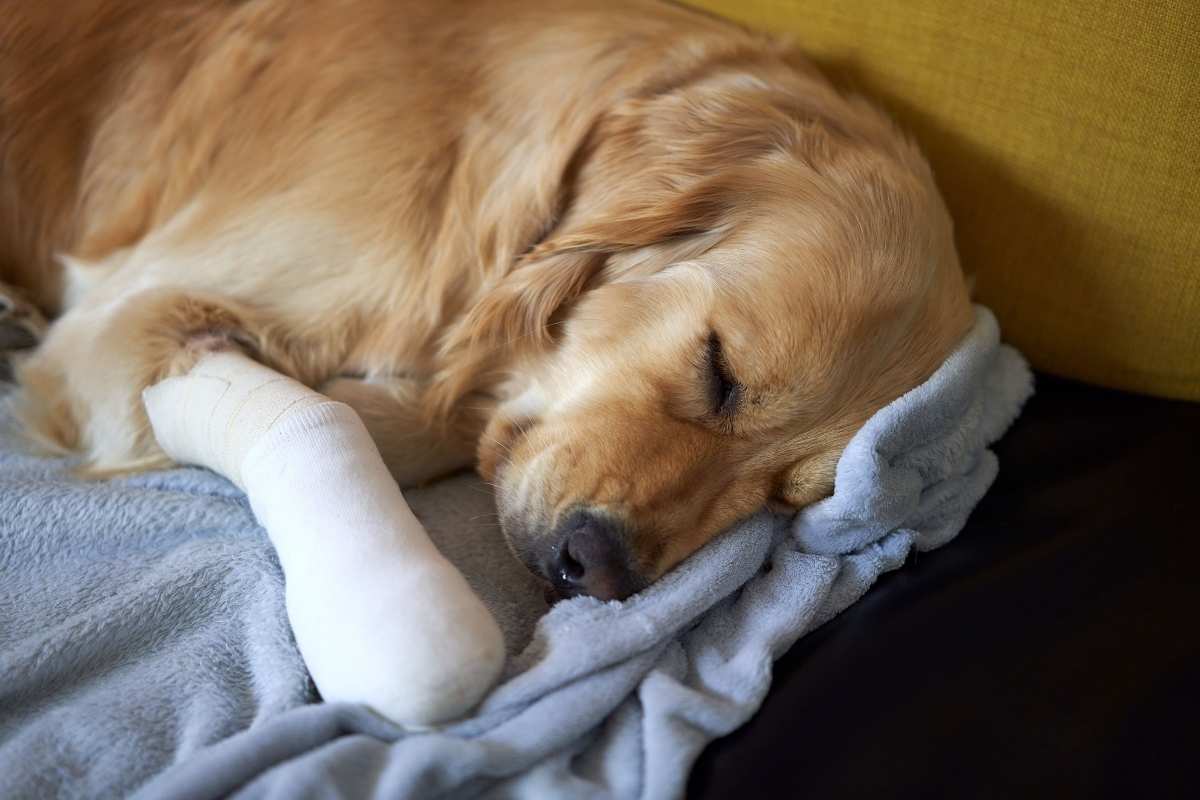
Watching your pet recover after a procedure can feel stressful, especially when they suddenly want to run, jump, or play before they are fully healed. At Dogwood Animal Hospital, we often hear the same question from caring owners: how much rest is truly necessary? Post-operative recovery is one of the most important parts of healing, and activity restriction plays a major role in preventing complications. Even though your pet may appear normal within a few days, internal tissues still need time to repair. Knowing how long to limit activity — and why it matters — helps you protect your pet’s health and avoid setbacks, particularly for pet families in Lawrenceville, GA.
Why Rest Is So Important After Surgery
After any pet surgery, the body begins a complex healing process. Skin incisions may close quickly, but muscles, ligaments, and internal tissues require much longer to repair. Therefore, excessive movement can reopen incisions, cause swelling, or even lead to infection.
In addition, anesthesia and medications temporarily affect coordination and balance. As a result, jumping onto furniture or running up stairs increases the risk of injury.
Rest allows:
- Proper tissue repair
- Reduced inflammation
- Pain control effectiveness
- Prevention of bleeding or swelling
Simply put, restricted activity helps ensure your pet heals correctly the first time.
General Recovery Timeline
Although recovery varies by procedure, most veterinarians recommend limiting activity for 10 to 14 days following routine procedures such as spaying or neutering surgeries. However, orthopedic procedures require a longer recovery.
Typical guidelines:
- Minor procedures: 7–10 days
- Spay/neuter: 10–14 days
- Mass removal: 10–14 days
- Orthopedic surgeries: 6–12 weeks
Always follow your veterinarian’s specific instructions, because every pet heals differently.
What “Keeping Your Pet Quiet” Really Means
Many owners assume keeping a pet quiet simply means shorter walks. However, proper restriction is more specific.
You should:
- Prevent running and jumping
- Avoid rough play
- Stop stair climbing when possible
- Limit outdoor activity to leash walks only
On the other hand, free roaming inside the house often leads to sudden bursts of energy. Therefore, supervised confinement becomes necessary.
Safe Confinement Methods
To support healing, you may need to temporarily change your pet’s environment.
For Dogs
- Use a crate or a small room
- Leash when outside
- Block access to furniture
For Cats
- Keep in a quiet bedroom
- Limit climbing areas
- Remove tall cat trees temporarily
Although your pet may protest initially, consistency prevents injuries and promotes comfort.
Signs Your Pet Is Doing Too Much
Pets often feel better before they are fully healed. Consequently, they may overexert themselves. Watch for warning signs such as:
- Swelling near the incision
- Redness or discharge
- Bleeding
- Limping
- Excessive panting
- Sudden lethargy
If these symptoms appear, contact your veterinarian immediately.
Managing Energy During Recovery
Keeping an energetic pet calm can be challenging. Fortunately, there are safe ways to prevent boredom.
Helpful strategies:
- Food puzzle toys
- Slow-feeder bowls
- Short training sessions
- Gentle brushing
- Calm affection time
Mental stimulation tires pets without physical strain. Additionally, maintaining a quiet environment reduces excitement.
The Role of Pain Medication
Never stop medications early unless instructed. Pain control helps prevent sudden activity because a comfortable pet moves less impulsively. Skipping doses may lead to jumping or running due to discomfort or restlessness.
Protecting the Surgical Site
Most pets attempt to lick their incision. Unfortunately, licking introduces bacteria and delays healing. Therefore, an e-collar (cone) or recovery suit is essential.
Even if your pet dislikes the cone, removing it too early is one of the most common causes of infection.
When Activity Can Gradually Resume
Once your veterinarian confirms healing, activity should return slowly — not all at once.
Start with:
- Short leash walks
- Controlled movement
- No jumping for several extra days
Gradual reintroduction allows muscles to strengthen safely.
Why Follow-Up Visits Matter
Recheck appointments to ensure proper healing and detect hidden complications. Internal sutures, swelling, or infections may not be visible at home. Your veterinarian evaluates recovery and advises when full activity is safe.
Recovery after veterinary surgery requires patience, consistency, and supervision. By restricting activity, monitoring the incision, and following medication instructions, you significantly improve your pet’s healing outcome. If you have concerns about recovery or behavior, feel free to contact Dogwood Animal Hospital. Our team is committed to guiding you through each stage of recovery and keeping your pet comfortable.
FAQs
Q1. Can my pet walk around the house after surgery?
Ans. Yes, but movement should be limited and supervised to prevent running or jumping.
Q2. When can my pet go on normal walks again?
Ans. Usually, after 10–14 days, depending on healing and your veterinarian’s advice.
Q3. Why is my pet hyper after surgery?
Ans. Anesthesia, medication effects, and returning energy levels can cause temporary restlessness.
Q4. Can I remove the cone early?
Ans. No. The cone should remain on until the incision is fully healed.
Q5. What if the incision looks slightly swollen?
Ans. Mild swelling can be normal, but increasing redness, discharge, or bleeding requires veterinary attention.
Q6. When should I call the vet immediately?
Ans. Call if you notice vomiting, lethargy, severe swelling, open stitches, or refusal to eat for more than 24 hours.