2050 Sugarloaf Parkway, Lawrenceville, Georgia 30045

Why Preventative Pet Care Is Important for Your Pet’s Health

Caring for your pet is more than just love, food, and playtime. Preventing illness before it begins is the foundation of a long, healthy life. That’s where pet preventative care in Lawrenceville comes in. By staying proactive with checkups, vaccinations, and early screenings, you can protect your furry friend from common health risks and enjoy more happy years together.
Understanding Preventative Pet Care
Preventive care refers to the steps veterinarians take to reduce health risks before they develop into serious conditions. Instead of waiting until symptoms appear, pets are monitored through regular exams, vaccines, and early testing to keep them healthier over time.
This approach improves your pet’s quality of life while saving you from the stress and cost of treating advanced illnesses.
Why Preventative Care Is Vital for Pets
Since pets age faster than humans, changes in their health can occur within months. Early intervention through wellness exams helps identify concerns such as:
- Weight fluctuations
- Dental issues
- Parasite infections
- Skin or coat problems
- Mobility challenges
Through pet preventative care, you can ensure your pet receives ongoing protection, tailored attention, and proactive guidance and protection at every age and life stage..
Core Aspects of Preventive Pet Care
1. Routine Veterinary Wellness Visits
Annual or semi-annual visits allow vets to track your pet’s overall health, check vital organs, and detect issues early. Routine wellness care is the backbone of long-term prevention.
2. Vaccinations & Boosters
Immunizations shield pets from dangerous diseases like rabies, distemper, parvovirus, and feline leukemia. Staying on schedule with vaccines is one of the strongest defenses against illness.
3. Parasite Control
Fleas, ticks, heartworms, and intestinal parasites pose year-round risks. Consistent use of preventive medications keeps both pets and families safe from these harmful invaders.
4. Healthy Diet & Weight Balance
Nutrition tailored to your pet’s age, breed, and lifestyle helps them maintain proper weight, energy, and overall vitality. Portion control and balanced meals are essential preventive measures.
5. Dental Wellness
Strong teeth and gums are vital to your pet’s overall health. Professional cleanings, daily brushing, and dental chews help avoid painful infections and improve longevity.
6. Early Testing & Diagnostics
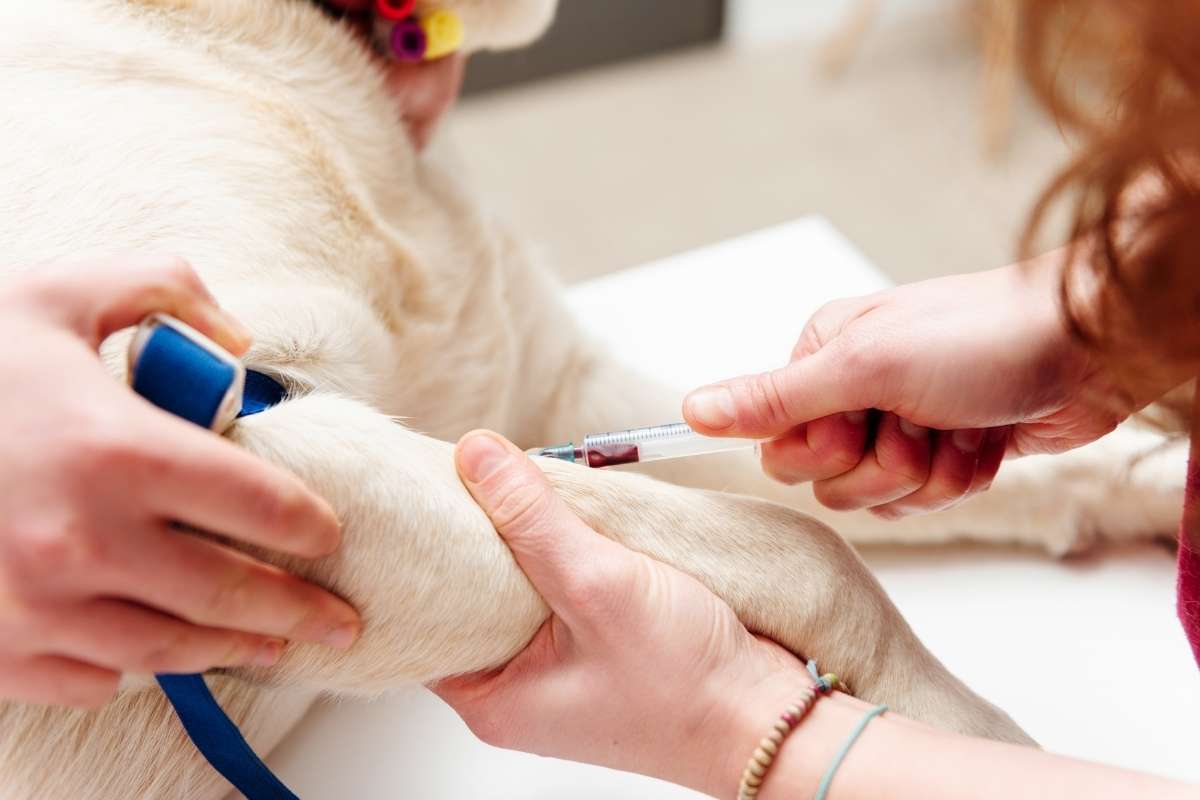
Blood panels, urine tests, and imaging provide insights into hidden health concerns. Detecting problems before symptoms appear offers the best chance for successful treatment.
Benefits of Local Preventative pet Care in Lawrenceville
Choosing a local veterinary partner ensures personalized care tailored to your pet’s lifestyle and risks. Lawrenceville veterinarians understand regional concerns such as seasonal allergies, tick-borne illnesses, and community vaccination requirements.
If you’re looking for trusted preventative Pet care in Lawrenceville, Dogwood Animal Hospital provides comprehensive services including wellness exams, vaccinations, and preventive treatments designed for lifelong health.
Smart Care Tips for Pet Owners
- Schedule wellness visits consistently, even when your pet appears healthy.
- Stay on top of vaccination reminders.
- Administer flea, tick, and heartworm prevention each month.
- Choose a high-quality diet suited to your pet’s needs.
- Include dental hygiene as part of your routine care.
- Pay attention to subtle behavior changes—they may signal health concerns.
By following these practices, you can give your pet the best chance at staying healthy and thriving.
Investing in preventative pet care in Lawrenceville is one of the best decisions you can make for your furry family member. From checkups and vaccines to dental health and parasite prevention, proactive care ensures your pet enjoys a healthier, more vibrant, joyful, and longer-lasting life
Schedule your pet’s next wellness appointment today and take the first step toward lifelong protection and peace of mind.
FAQs:
Q1. How often should my pet have a wellness exam?
Ans. Most pets should see a veterinarian once a year. However, older pets or those with medical conditions may benefit from visits every six months.
Q2. Are vaccines really necessary for indoor pets?
Ans. Yes, vaccines are important for all pets, even those indoors, since viruses and parasites can still reach them indirectly.
Q3. What parasites are most common in Lawrenceville?
Ans. Fleas, ticks, and heartworms are prevalent in Georgia’s climate, making prevention a top priority.
Q4. How does nutrition affect preventative care?
Ans. Proper nutrition supports a strong immune system, helps maintain a healthy weight, and reduces the risk of chronic illness.
Q5. Can preventative care save me money?
Ans. Definitely, preventing disease and detecting issues early avoids costly emergency treatments down the road.
Q6. When should I begin preventative care for puppies or kittens?
Ans. Preventive care should start as early as 6–8 weeks with vaccines, parasite protection, and first wellness exams.