2050 Sugarloaf Parkway, Lawrenceville, Georgia 30045
Why Your Dog’s Breath Smells Bad and 5 Easy Fixes to Try at Home

Why Your Dog’s Breath Smells Bad
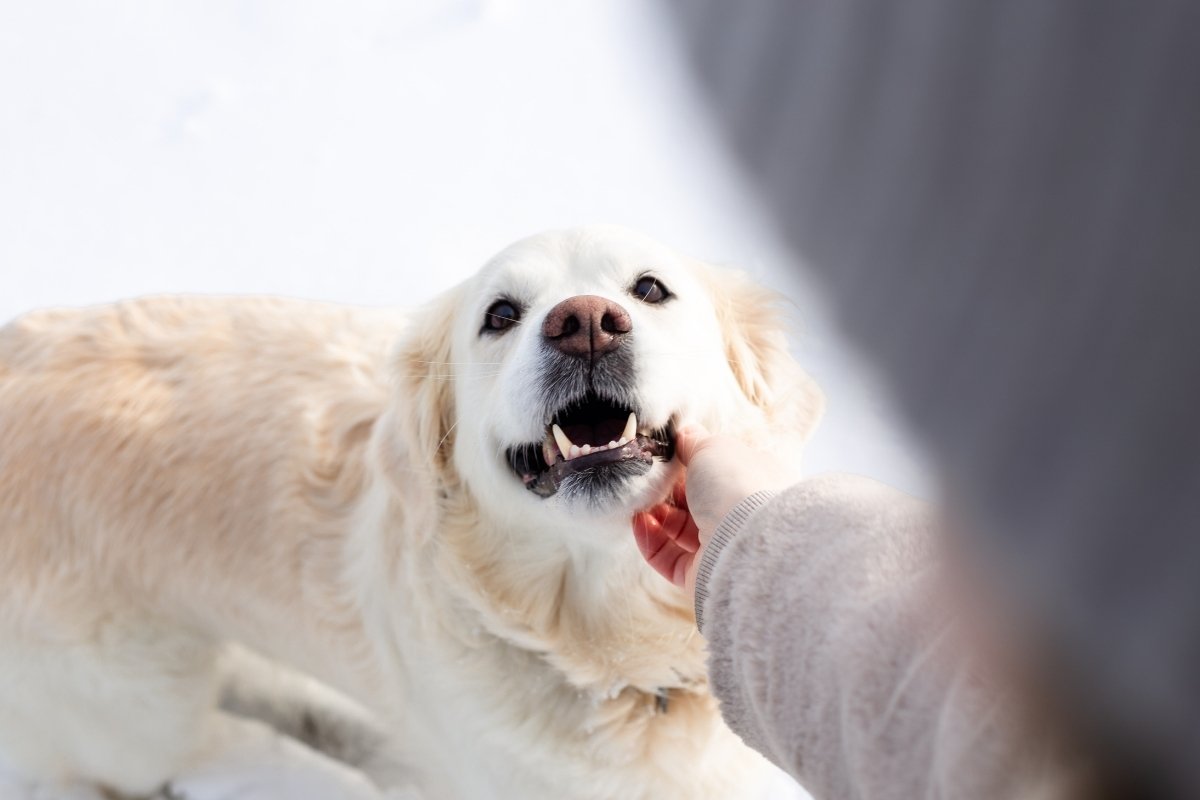
Does your furry friend’s breath make you recoil every time they greet you with a slobbery kiss? Bad dog breath isn’t just unpleasant—it can be a sign of underlying health issues. At Dogwood Animal Hospital in Lawrenceville, GA, we often see pet owners concerned about this common issue. Fortunately, there are simple solutions you can try at home to freshen your dog’s breath and improve overall oral health.
Common Causes of Bad Dog Breath
Understanding the root of the problem is the first step toward a fresher-smelling pup. Here are the most common reasons:
1. Poor Oral Hygiene
Just like humans, dogs need regular dental care. Plaque and tartar buildup can lead to bacterial growth, causing bad breath.
2. Diet and Treats
Certain foods and low-quality treats may contribute to odor. Table scraps, especially those high in sugar or fat, can make your dog’s mouth smell.
3. Gum Disease or Tooth Problems
Periodontal disease, tooth decay, or broken teeth are common culprits. Early detection is crucial to avoid painful infections.
4. Digestive Issues
Sometimes, bad breath originates from the stomach. Dogs with digestive problems may develop an unpleasant odor that isn’t fixed by brushing alone.
5. Underlying Health Conditions
Health problems like diabetes or kidney disease can manifest through foul breath. Rarely, tumors in the mouth or throat can also be a cause. For context, it’s good to be aware of the common types of tumors in dogs and how they might impact overall health.
5 Easy Fixes You Can Try at Home
The good news? Many cases of bad dog breath can be improved without a vet visit. Here are five practical strategies:
1. Brush Your Dog’s Teeth Regularly
Invest in a dog-friendly toothbrush and toothpaste. Brushing daily or at least a few times a week can dramatically reduce odor and prevent plaque buildup.
2. Offer Dental Chews and Toys
Chews and toys help mechanically remove plaque. Look for veterinarian-approved options that are safe for your dog’s teeth and gums.
3. Adjust Your Dog’s Diet
Switching to high-quality kibble or incorporating fresh vegetables like carrots can reduce odor. Avoid feeding human food that may cause stomach issues.
4. Provide Fresh Water and Clean Bowls
Stagnant water and dirty bowls can breed bacteria. Clean your dog’s water bowl daily and refill with fresh water to help maintain oral hygiene.
5. Schedule a Professional Dental Cleaning
Bad breath in dogs is more than just unpleasant—it can indicate underlying health issues ranging from dental disease to digestive problems. By practicing good oral hygiene, offering proper chews, and seeking professional care when needed, you can keep your pup’s breath fresh and their overall health in check.
Conveniently located in Lawrenceville, GA, Dogwood Animal Hospital is the go-to choice if you’re searching for a “veterinary near me” for your dog’s dental and overall health. Our compassionate team provides comprehensive veterinary care, ensuring your furry friend stays happy, healthy, and thriving.
FAQs:
Q1. Why does my dog’s breath smell like ammonia?
Ans. Ammonia-like breath may indicate kidney problems. Consult your veterinarian for a check-up and early detection.
Q2. Can bad breath be a sign of diabetes in dogs?
Ans. Yes, sweet or fruity-smelling breath can signal diabetes. Blood tests can confirm the diagnosis.
Q3. How often should I brush my dog’s teeth?
Ans. Daily brushing is ideal, but even a few times a week helps reduce plaque and freshen breath.
Q4. Are dental chews really effective for dog breath?
Ans. Yes, dental chews help remove plaque mechanically and stimulate saliva production, which naturally cleans the mouth.
Q5. Can a change in diet improve my dog’s breath?
Ans. Absolutely. High-quality kibble, raw bones, or certain vegetables can reduce odor and improve overall oral health.
Q6. When should I see a vet about my dog’s bad breath?
Ans. If bad breath persists despite home care, or if your dog shows signs of pain, drooling, or swelling, schedule a vet visit promptly.