2050 Sugarloaf Parkway, Lawrenceville, Georgia 30045

Pick the best dental chews for puppies based on size and breed needs

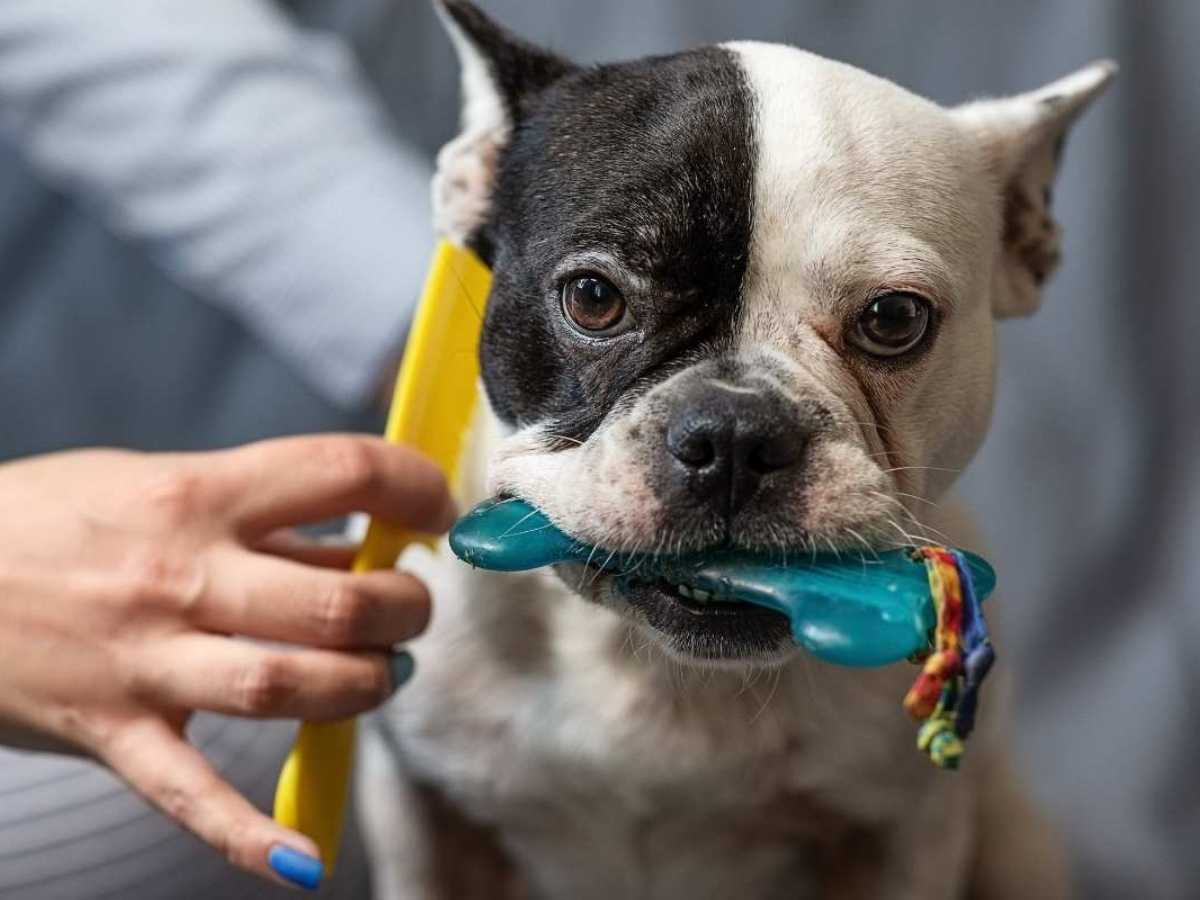
Every puppy deserves a healthy, happy smile! As pet parents, we often focus on nutrition, training, and playtime, but oral care is just as important. Choosing the right dental chew can help prevent tartar buildup, strengthen gums, and freshen your puppy’s breath. However, with so many options available, knowing how to pick the best dental chews for puppies can feel overwhelming. This guide simplifies it all—so you can make the best choice based on your dog’s size, breed, and chewing habits.
Understanding Puppy Dental Health
Just like humans, dogs need proper dental care from an early age. Puppies develop baby teeth around 3 weeks old, and by 6 months, their adult teeth start to come in. During this teething phase, puppies often experience sore gums and a strong urge to chew. That’s where dental chews come in—they help soothe discomfort while promoting cleaner teeth and fresher breath.
Neglecting dental health early on can lead to:
- Bad breath (halitosis)
- Tartar and plaque buildup
- Gum inflammation or infection
- Early tooth loss
That’s why it’s essential to pick the best dental chews for puppies that are both safe and effective for their growing mouths.
How to Pick the Best Dental Chews for Puppies
When shopping for dental chews, consider these crucial factors to ensure your puppy gets both enjoyment and health benefits:
1. Choose the Right Size
Dental chews come in various sizes. Always match the chew to your puppy’s mouth size.
- Small breed puppies (like Yorkies or Chihuahuas): Opt for soft, mini-sized chews that are easy to gnaw.
- Medium breeds (like Beagles or Cocker Spaniels): Go for moderate-density chews that offer resistance without being too tough.
- Large breed puppies (like Labradors or German Shepherds): Pick sturdier chews that last longer and encourage slow chewing.
Choosing the wrong size can be risky—chews that are too small pose a choking hazard, while oversized ones can strain your puppy’s jaw.
2. Check the Ingredients
Always read the label. Look for chews made from natural, digestible ingredients with no artificial colors or preservatives. Ingredients like sweet potato, rice flour, and parsley are safe and beneficial. Avoid rawhide or overly hard synthetic materials, as they can cause digestive issues or damage developing teeth.
3. Consider Breed-Specific Needs
Different breeds have different chewing strengths.
- Small breeds may need softer chews to prevent tooth fractures.
- Large or strong-jawed breeds need more durable options to avoid quick breakage.
- Flat-faced breeds (like Pugs or Bulldogs) benefit from thinner chews that are easy to grip.
A quick consultation with your Lawrenceville vet can help you choose the safest and most effective chew for your puppy’s specific breed.
Benefits of Choosing the Right Dental Chew
When you pick the best dental chews for puppies, you’re investing in long-term health benefits, including:
- Reduced plaque and tartar buildup
- Fresher breath
- Healthy gum development
- Mental stimulation and anxiety relief
- Prevention of destructive chewing behavior
Dental chews also serve as a fun daily routine that helps your puppy associate oral hygiene with positive experiences.
Expert Tip: Work With Your Local Vet
If you’re unsure about which chew to choose, always consult a professional. Many vets in Lawrenceville, GA, recommend dental chews approved by the Veterinary Oral Health Council (VOHC) for their proven safety and effectiveness.
Around the 50% mark of your puppy’s dental journey, it’s smart to visit a trusted clinic for a wellness check. If you’re looking for experienced and compassionate care, Dogwood Animal Hospital offers personalized guidance on nutrition, dental hygiene, and preventive health tailored to your puppy’s needs.
Conveniently located for pet owners in the area, they provide complete dental care support under the expert supervision of their dedicated veterinary team.
When to Avoid Certain Dental Chews
Even the best dental chews aren’t right for every pup. Avoid chews that are:
- Too hard: Can crack teeth or damage gums.
- Too sticky: May get lodged between teeth.
- Unsupervised: Always watch your puppy while chewing to prevent choking or swallowing large pieces.
Keeping Up With Puppy Dental Hygiene
Beyond dental chews, build a complete oral care routine:
- Brush your puppy’s teeth 2–3 times per week using pet-safe toothpaste.
- Schedule regular dental exams with your vets in Lawrenceville, Ga.
- Offer dental toys that promote healthy chewing habits.
- Provide plenty of fresh water to rinse the mouth naturally.
Consistency is key—combine daily habits with the right chew selection to keep your pup’s mouth clean and odor-free.
Healthy teeth mean a happier pup! By taking time to pick the best dental chews for puppies, you’re helping your furry friend enjoy better breath, cleaner teeth, and stronger gums. Combine smart chew choices with regular brushing and vet visits for a lifetime of confident smiles.
Frequently Asked Questions
Q: When should I start giving my puppy dental chews?
A: Once your puppy reaches 3–4 months old and has most of their baby teeth, you can safely introduce soft dental chews.
Q: How often should my puppy have a dental chew?
A: Most veterinarians recommend giving one chew per day, depending on the brand and your puppy’s chewing strength.
Q: Are dental chews enough for oral hygiene?
A: No, they’re a supplement—not a replacement—for brushing and professional dental cleanings.
Q: Can dental chews replace toys?
A: Dental chews can reduce destructive chewing, but toys are still needed for enrichment and playtime.
Q: What are the signs that my puppy’s chew is too hard?
A: If your puppy avoids chewing or you hear cracking sounds, switch to a softer option immediately.
Q: How can I store dental chews safely?
A: Keep them sealed in a cool, dry place to preserve freshness and prevent mold growth.