2050 Sugarloaf Parkway, Lawrenceville, Georgia 30045

Vet-Approved Dental Care Routine for Pets


Many pet owners focus on nutrition, exercise, and routine wellness visits, but often overlook one critical aspect of their pet’s health – dental care. Just like humans, dogs and cats can develop plaque, tartar, gum disease, and painful oral infections that affect their overall well-being.
This guide covers a vet-approved dental care routine for pets, including daily habits, professional cleanings, and practical tips to help dogs and cats maintain healthy teeth and gums. By following a consistent oral care plan, pet owners can help prevent dental disease and improve their pet’s quality of life.
Why Dental Health Matters for Pets
Dental health is about much more than fresh breath. Poor oral hygiene can lead to painful dental conditions that affect eating, behavior, and overall health.
When plaque accumulates on teeth, it hardens into tartar. Over time, bacteria can spread below the gumline, causing inflammation and infection.
Untreated dental disease may contribute to:
- Tooth loss
- Gum infections
- Chronic pain
- Difficulty eating
- Bad breath
- Heart, liver, and kidney complications
Many pets hide signs of discomfort, which is why preventive dental care is so important.
How Common Is Dental Disease in Dogs and Cats?
Dental disease is one of the most common medical conditions seen in companion animals.
By age three, a large percentage of dogs and cats show some signs of periodontal disease.
Common risk factors include:
- Aging
- Small dog breeds
- Poor dental hygiene
- Soft-food-only diets
- Genetics
- Lack of professional dental care
Because dental disease often progresses silently, regular oral health monitoring is essential.
The Foundation of a Vet-Approved Dental Care Routine
Maintaining your pet’s oral health doesn’t have to be complicated. Consistency is often more important than perfection.
A complete dental care routine should include:
- Daily tooth brushing
- Dental chews and products
- Regular oral inspections
- Professional dental cleanings
- Routine veterinary exams
Together, these steps help reduce plaque buildup and support long-term dental health.
Daily Tooth Brushing: The Gold Standard
Brushing your pet’s teeth remains the most effective way to prevent plaque and tartar accumulation.
How Often Should You Brush?
Ideally, brush your pet’s teeth every day. Even brushing several times per week can provide meaningful benefits compared to no brushing at all.
Tips for Successful Tooth Brushing
- Use pet-specific toothpaste only
- Choose a soft-bristled pet toothbrush
- Start slowly and reward cooperation
- Focus on the outer tooth surfaces
- Keep sessions short and positive
Never use human toothpaste, as many ingredients can be harmful to pets.
Getting Your Pet Comfortable
Introduce brushing gradually:
- Let your pet taste the toothpaste.
- Gently touch the gums and teeth.
- Introduce the toothbrush slowly.
- Increase brushing time over several sessions.
Patience helps create a positive experience.
Dental Chews and Oral Health Products
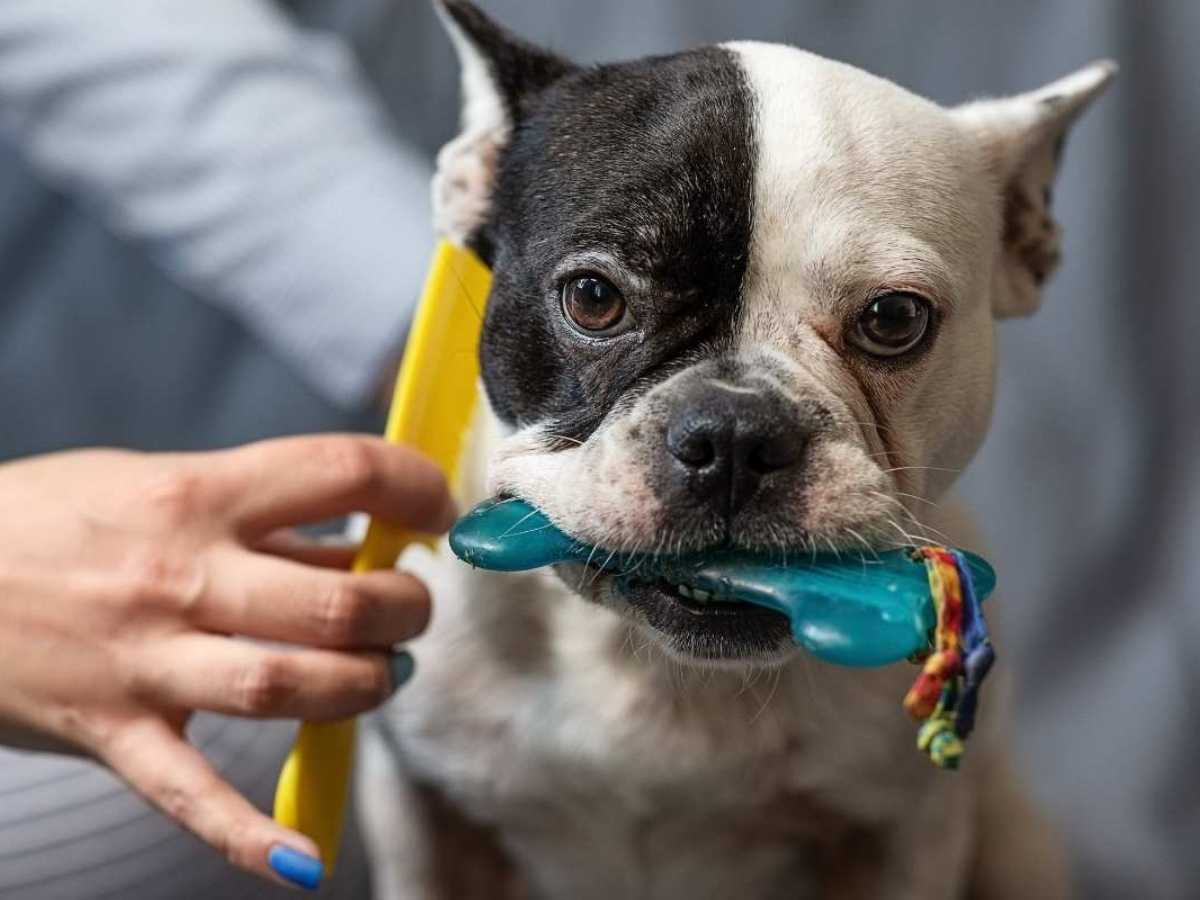
While brushing is the most effective method, dental chews can provide additional support.
Some products are designed to:
- Reduce plaque buildup
- Minimize tartar formation
- Freshen breath
- Promote healthy gums
Look for products recommended by veterinary professionals and designed specifically for your pet’s size and chewing habits.
Water Additives and Oral Rinses
Some pets resist brushing, making supplemental dental products useful.
Water additives and oral rinses may help:
- Reduce oral bacteria
- Improve breath odor
- Support overall oral hygiene
However, they should not replace brushing or professional dental care.
Recognizing Signs of Dental Problems
Early detection can prevent more serious dental issues.
Watch for symptoms such as:
- Persistent bad breath
- Red or swollen gums
- Excessive drooling
- Difficulty chewing
- Pawing at the mouth
- Loose or missing teeth
- Bleeding gums
- Reduced appetite
If you notice any of these signs, schedule a veterinary evaluation promptly.
The Importance of Professional Dental Cleanings
Even with excellent home care, most pets benefit from professional dental cleanings.
Professional cleanings allow veterinary teams to remove tartar from areas that brushing alone cannot reach.
These procedures typically include:
- Oral examination
- Scaling above and below the gumline
- Polishing teeth
- Dental charting
- Dental X-rays when needed
Professional cleanings help identify hidden issues before they become serious health concerns.
How Often Should Pets Have Professional Dental Cleanings?
The frequency depends on factors such as:
- Breed
- Age
- Existing dental health
- Home care routine
- Diet
Some pets may need cleanings every year, while others may require more frequent care.
At this stage of your pet’s oral health journey, partnering with an experienced veterinarian can help determine the most appropriate dental care schedule for your pet’s individual needs.
Regular evaluations ensure dental issues are caught early and treated effectively.
Special Dental Considerations for Dogs
Dogs often develop periodontal disease gradually over time.
Small breeds such as:
- Chihuahuas
- Yorkshire Terriers
- Dachshunds
- Toy Poodles
are especially prone to dental problems due to crowded teeth.
Dog owners should prioritize:
- Daily brushing
- Appropriate dental chews
- Regular oral examinations
- Routine professional cleanings
Consistent preventive care can significantly reduce future dental complications.
Special Dental Considerations for Cats
Cats can develop unique dental conditions that may be difficult to detect.
Common feline dental issues include:
- Gingivitis
- Tooth resorption
- Periodontal disease
- Stomatitis
Cats often continue eating despite significant oral discomfort, making routine dental exams particularly important.
Owners should monitor for subtle changes in:
- Eating habits
- Grooming behavior
- Drooling
- Breath odor
Common Dental Care Mistakes to Avoid
Many well-meaning pet owners accidentally make mistakes that reduce oral health benefits.
Avoid:
- Using human toothpaste
- Waiting until symptoms appear
- Skipping professional cleanings
- Offering hard objects that can fracture teeth
- Assuming bad breath is normal
Healthy pets should not have persistent foul-smelling breath.
Proactive Oral Care for Your Pet’s Health
A vet-approved dental care routine is one of the most important investments you can make in your pet’s long-term health. Daily brushing, dental chews, routine oral monitoring, and professional cleanings work together to prevent painful dental disease and support overall wellness.
By staying proactive, pet owners can help their dogs and cats enjoy healthier teeth, fresher breath, and a better quality of life. We’re committed to helping pets in Lawrenceville maintain excellent oral health through every stage of life. Book an appointment with Dogwood Animal Hospital to schedule a dental evaluation for your pet.
FAQs
Q1: How often should I brush my dog’s teeth?
Ans. Daily brushing is ideal for preventing plaque buildup and maintaining healthy gums. Even brushing several times per week can provide significant benefits.
Q2: What are the signs of dental disease in pets?
Ans. Common signs include bad breath, swollen gums, drooling, difficulty eating, loose teeth, and visible tartar buildup.
Q3: Are dental chews enough to keep my pet’s teeth clean?
Ans. Dental chews can help reduce plaque, but they should be used alongside brushing and professional dental care for the best results.
Q4: How often do pets need professional dental cleanings?
Ans. Most pets benefit from periodic professional cleanings, though the exact schedule depends on age, breed, and overall oral health.
Q5: Can poor dental health affect my pet’s overall health?
Ans. Yes. Untreated dental disease can contribute to infections and, over time, negatively affect organs such as the heart, liver, and kidneys.