2050 Sugarloaf Parkway, Lawrenceville, Georgia 30045

Can Allergies Cause Breathing Problems in Cats? Signs and Causes

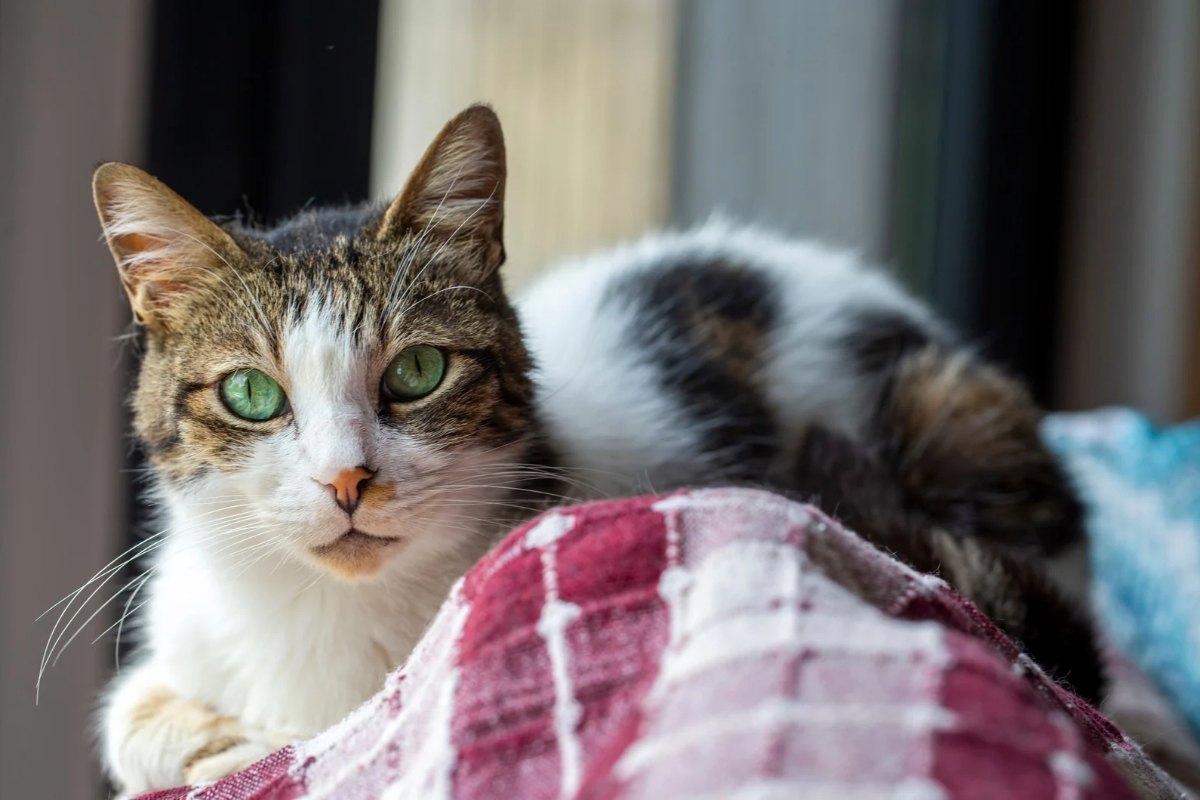
Cats can develop respiratory problems for several reasons, including infections, asthma, and exposure to environmental irritants. Although allergies are commonly associated with itching and skin irritation, certain allergic or inflammatory reactions can also affect a cat’s airways. Recognizing the difference between mild irritation and serious breathing difficulties is important for protecting your pet.
At Dogwood Animal Hospital, we encourage cat owners to recognize unusual respiratory symptoms and understand how cat allergies may affect overall health. Identifying potential triggers and seeking timely veterinary evaluation can help prevent complications and support better breathing.
Can Allergies Cause Breathing Problems in Cats?
Yes. Allergic reactions and exposure to airborne irritants can contribute to respiratory inflammation in cats. In particular, feline asthma is an inflammatory airway condition that is often associated with allergic responses.
Common triggers include pollen, dust mites, mold spores, cigarette smoke, household cleaning products, and fragrances.
However, not every breathing problem is allergy-related. Respiratory infections, heart disease, and fluid around the lungs can cause similar symptoms and require different treatments.
6 Signs of Allergy-Related Breathing Problems in Cats
1. Coughing
Repeated coughing can indicate airway irritation or inflammation. Cats with asthma may produce dry coughing episodes that owners sometimes mistake for attempts to bring up hairballs.
2. Wheezing
Wheezing is a high-pitched breathing sound caused by narrowed or inflamed airways. It may become more noticeable when your cat exhales.
3. Rapid Breathing
Inflammation can make breathing less comfortable, sometimes resulting in an increased respiratory rate. Rapid breathing while resting should never be ignored.
4. Open-Mouth Breathing
Cats generally breathe through their noses. Open-mouth breathing or panting can indicate significant respiratory distress and requires immediate veterinary attention.
5. Sneezing and Nasal Discharge
Airborne irritants may cause sneezing, nasal irritation, and discharge. However, these signs can also indicate an upper respiratory infection.
6. Reduced Activity
Cats experiencing breathing difficulties may become less playful, hide more frequently, or avoid physical activity because exertion makes breathing uncomfortable.
Common Allergens and Irritants That Affect Cats
Several household and environmental substances can trigger allergic or inflammatory responses.
- Pollen: Seasonal pollen from trees, grasses, and weeds may contribute to allergic irritation.
- Dust mites: Microscopic organisms found in household dust may trigger allergic responses.
- Mold spores: Damp indoor environments can encourage mold growth and release airborne spores.
- Cigarette smoke: Smoke can irritate the respiratory tract and worsen existing airway inflammation.
- Strong fragrances: Air fresheners, perfumes, and scented cleaning products may irritate sensitive airways.
- Household chemicals: Aerosol sprays and cleaning fumes can aggravate respiratory symptoms.
How Do Veterinarians Diagnose Breathing Problems in Cats?
Diagnosing respiratory problems involves identifying the underlying cause rather than assuming allergies are responsible.
A veterinarian may begin with a physical examination, review your cat’s medical history, and evaluate its breathing pattern. Depending on the symptoms, diagnostic procedures may include:
- Blood tests: Help evaluate overall health and identify certain signs of infection or inflammation.
- Chest X-rays: Help assess lung patterns, airway changes, and other chest abnormalities.
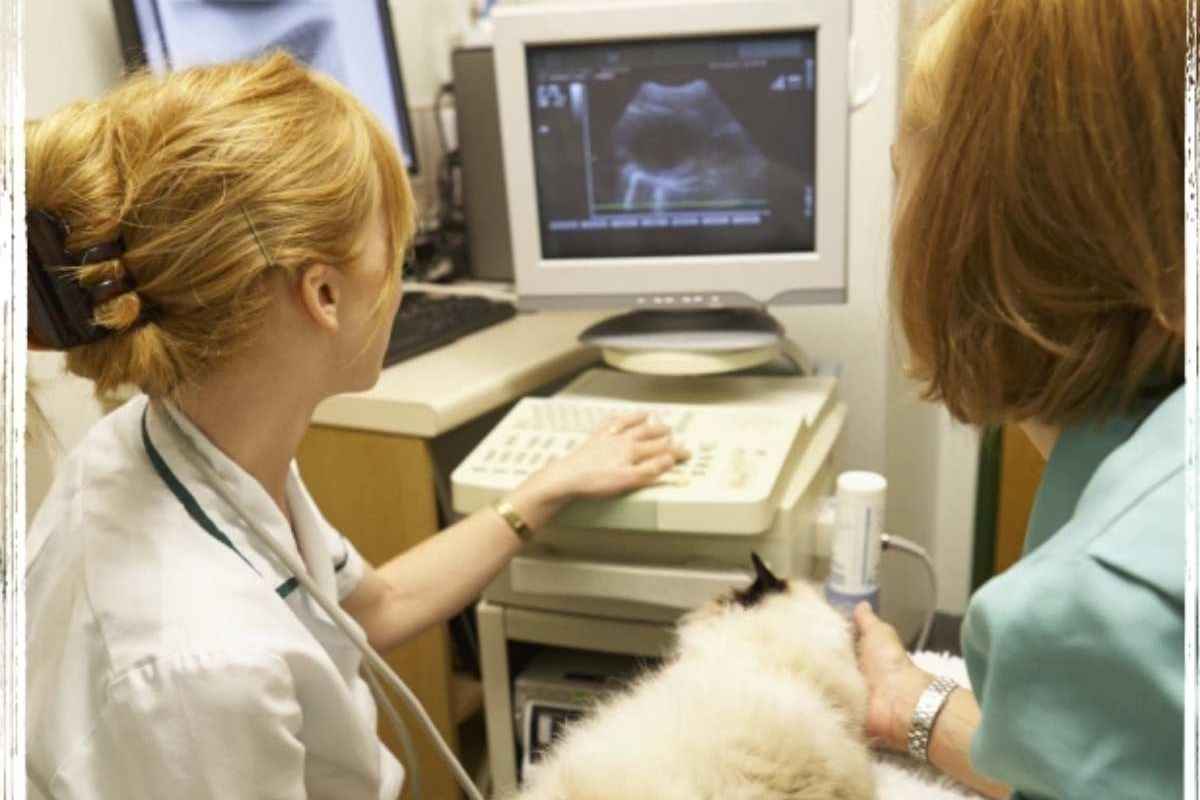
- Ultrasound: May help evaluate fluid accumulation and certain internal structures.
- Additional respiratory testing: May be recommended to investigate infections or other suspected conditions.
Dogwood Animal Hospital offers in-house laboratory testing, X-rays, and ultrasound to support diagnostic evaluations.
How Can You Reduce Allergy Triggers at Home?
Although not every respiratory condition can be prevented, reducing exposure to common irritants may help sensitive cats.
- Clean your home regularly to reduce dust and potential allergens.
- Use unscented cleaning products and avoid aerosol sprays.
- Keep your cat away from cigarette smoke.
- Maintain good indoor ventilation.
- Address moisture problems to prevent mold growth.
- Wash your cat’s bedding regularly.
Do not administer human allergy medications without veterinary guidance.
When Should You Seek Veterinary Attention?
Occasional sneezing may not indicate a serious problem, but repeated coughing, wheezing, or changes in resting breathing deserve veterinary evaluation.
Seek immediate veterinary attention if your cat experiences open-mouth breathing, pronounced abdominal effort, blue or pale gums, or obvious difficulty breathing. Keep your cat calm and minimize handling while arranging care.
Allergies and environmental irritants can contribute to respiratory inflammation in cats, particularly those affected by feline asthma. However, similar symptoms may result from infections, heart conditions, and other medical problems. Identifying the underlying cause is essential for appropriate treatment.
If you are looking for a vet near you in Lawrenceville & Grayson, GA, contact a local veterinary professional to discuss your cat’s respiratory symptoms. Schedule your appointment for a thorough examination and appropriate diagnostic evaluation.
Frequently Asked Questions
Q1. Can seasonal allergies cause breathing problems in cats?
Ans: Seasonal allergens such as pollen may irritate sensitive airways. In some cats, allergic inflammation can contribute to respiratory symptoms, including coughing and wheezing.
Q2. How can I tell if my cat has asthma or allergies?
Ans: Both conditions can involve airway inflammation. Repeated coughing, wheezing, and breathing difficulties may suggest asthma, but a veterinary examination and appropriate diagnostic testing are needed to distinguish it from other conditions.
Q3. How can Dogwood Animal Hospital diagnose respiratory problems caused by suspected allergies?
Ans: The veterinary team can evaluate your cat through physical examinations, in-house bloodwork, digital X-rays, and ultrasound when appropriate. These diagnostic tools help investigate respiratory symptoms and identify possible underlying health conditions.
Q4. Can household dust cause breathing problems in cats?
Ans: Yes. Dust and dust mites can irritate sensitive airways and may trigger respiratory symptoms in susceptible cats. Regular cleaning and reducing indoor dust can help limit exposure.
Q5. Is open-mouth breathing a sign of allergies in cats?
Ans: Open-mouth breathing is not a typical mild allergy symptom. It may indicate significant respiratory distress and requires immediate veterinary attention.
Q6. Can respiratory problems in cats be treated?
Ans: Treatment depends on the underlying cause. Cats with asthma may need veterinarian-prescribed anti-inflammatory medication or bronchodilators, while infections and other respiratory conditions require different treatment approaches.