2050 Sugarloaf Parkway, Lawrenceville, Georgia 30045

Advanced Pet Diagnostics: How Modern Veterinary Tools Help Detect Health Issues Early

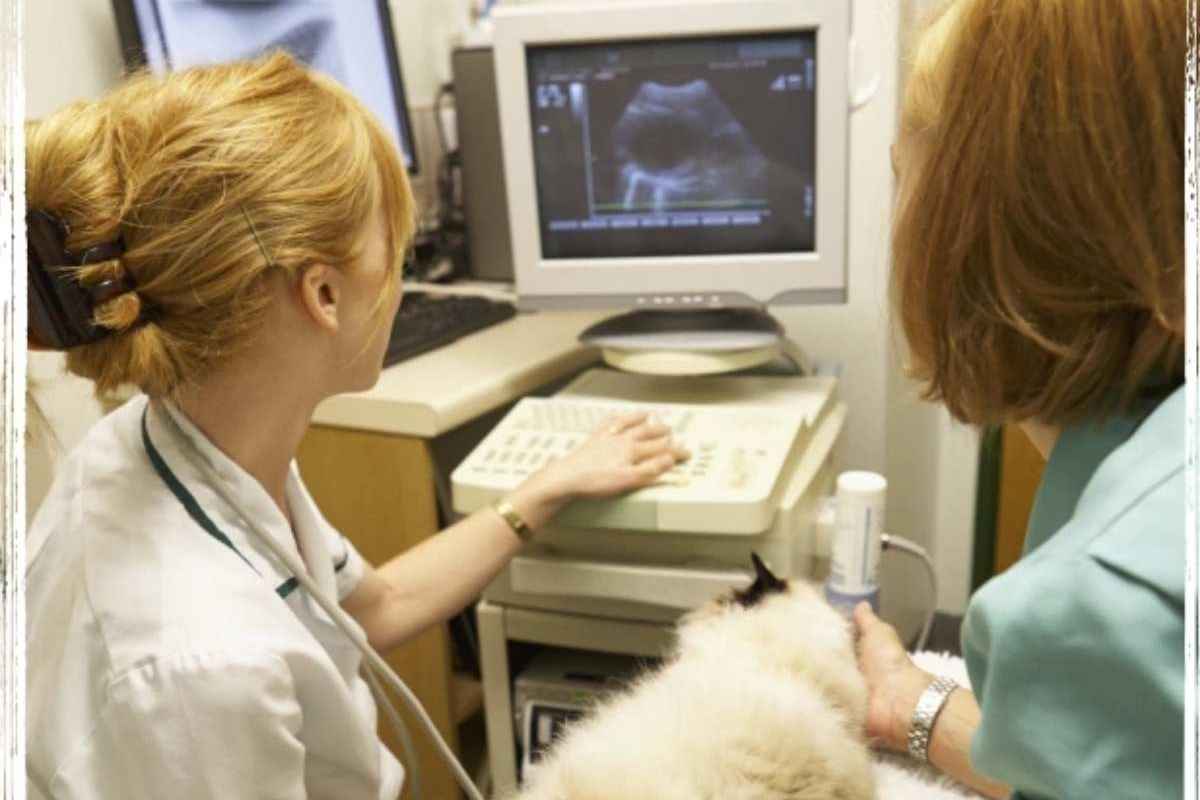
Pets are family, and just like humans, they deserve access to modern healthcare. Over the last decade, veterinary medicine has transformed with advanced diagnostic technology.
These tools allow veterinarians to identify health issues at the earliest stages—before they become major concerns. Early detection not only ensures faster treatment but also leads to better outcomes and longer, healthier lives for our furry companions.
Why Early Detection Matters
Health problems in pets often develop silently. Unlike humans, pets cannot communicate when they feel discomfort. A dog might wag its tail even when struggling with pain, and a cat may hide its symptoms until the issue is advanced. Therefore, early detection becomes critical. With innovative diagnostics, veterinarians can uncover hidden conditions, making it easier to treat illnesses promptly and effectively.
Modern Tools Shaping Veterinary Diagnostics
Veterinary medicine now mirrors human healthcare in many ways. Advanced tools have become a standard part of pet wellness. These include:
- Digital X-rays: They provide high-resolution images that help detect bone fractures, joint problems, and even internal organ abnormalities within minutes.
- Ultrasound Imaging: This painless procedure gives real-time visuals of organs like the liver, kidneys, and heart, allowing vets to detect irregularities early.
- Blood Testing & Biochemistry Panels: A simple blood draw can reveal infections, anemia, diabetes, and even early signs of organ dysfunction.
- Electrocardiograms (ECG): These tests evaluate heart rhythms, helping identify cardiovascular issues before they escalate.
- Advanced Laboratory Testing: From hormone checks to allergy screenings, labs play a crucial role in comprehensive diagnostics.
With these tools, veterinarians can provide precise care while avoiding unnecessary guesswork.
The Connection Between Diagnostics and Preventive Care
Preventive care is no longer limited to vaccinations and annual checkups. Today, it extends to diagnostic screenings that help create a full picture of your pet’s health. For example, regular blood panels can track changes over time, highlighting even the smallest irregularities. Similarly, imaging tests allow vets to compare past and present scans, making it easier to spot early signs of disease.
By combining preventive care with diagnostics, pet parents and veterinarians can work together to extend a pet’s lifespan and ensure a higher quality of life.
How Advanced Diagnostics Impact Treatment Plans
Early detection directly influences treatment strategies. When a condition is identified in its early stages, treatment can be less invasive and more effective. For instance:
- Detecting kidney disease early allows dietary adjustments and medications to slow progression.
- Identifying heart disease at the beginning stages makes it easier to manage with lifestyle changes and medications.
- Spotting tumors while they are still small increases the chances of successful surgical removal.
This proactive approach minimizes suffering and reduces long-term costs for pet parents.
The Role of Veterinary Clinics in Diagnostic Care
Not every veterinary clinic offers comprehensive diagnostic services, but those that do provide a higher level of care. Facilities that invest in state-of-the-art equipment make it easier for pets to receive accurate, timely, and efficient diagnoses under one roof.
For example, when families seek pet diagnostic care in Lawrenceville, GA, they often turn to trusted clinics like Dogwood Animal Hospital, where modern technology is paired with veterinary expertise to ensure pets receive the best care possible.
Helping Pet Parents Make Informed Decisions
Pet parents play a vital role in their pets’ health. Understanding the benefits of diagnostics helps them make informed decisions about preventive screenings and treatment options. Instead of waiting for visible symptoms, responsible pet owners can schedule wellness exams that include diagnostic evaluations, giving their pets the best chance at early detection and long-term wellness.
The Future of Pet Diagnostics
The field of veterinary diagnostics continues to evolve. Innovations such as genetic testing, advanced imaging technologies, and AI-powered analysis are on the horizon. These tools will make it possible to predict health risks even before symptoms appear, paving the way for personalized healthcare for pets.
As these technologies become more widely available, veterinary care will continue shifting from reactive treatment to proactive wellness—ensuring pets live happier, healthier lives. Advanced pet diagnostics are revolutionizing veterinary medicine.
By embracing these tools, veterinarians can detect health issues earlier, design more effective treatment plans, and provide pets with the quality care they deserve. For pet parents, this means peace of mind, knowing their companions have the best chance at long, healthy lives.
Related Articles