2050 Sugarloaf Parkway, Lawrenceville, Georgia 30045

Can Dogs Eat Grapes or Raisins? Understanding the Toxicity Risks


Grapes and raisins may seem like harmless snacks, but they can cause serious health problems in dogs. Even small amounts may trigger acute kidney injury, and the level of toxicity is unpredictable. Understanding the risks, recognizing early symptoms, and knowing what to do after accidental ingestion are essential for protecting your pet.
At Dogwood Animal Hospital, we encourage pet owners to understand common food hazards and seek prompt veterinary care when accidental exposure occurs. Knowing how grape and raisin toxicity affects dogs can help you make informed decisions and protect your pet from potentially life-threatening complications.
Can Dogs Eat Grapes or Raisins?
No. Grapes and raisins should never be given to dogs. Both can cause acute kidney injury, which may interfere with the kidneys’ ability to filter waste and maintain normal fluid balance.
The exact toxic substance responsible for grape and raisin poisoning has not been conclusively established. However, tartaric acid is considered a likely contributor.
Importantly, there is no established safe amount. Some dogs develop serious complications after consuming relatively small quantities, while others may not show immediate symptoms.
Why Are Grapes and Raisins Toxic to Dogs?
Grape and raisin toxicity primarily affects the kidneys. Exposure can cause sudden damage to kidney tissues, potentially leading to acute kidney failure.
Raisins are particularly concerning because they are concentrated dried grapes. Both fresh and dried forms should be treated as potentially dangerous.
Dogs can accidentally consume these foods through:
- Fresh grapes left on kitchen counters
- Raisins in cookies, muffins, and bread
- Trail mixes and breakfast cereals
- Fruit salads and baked desserts
- Foods containing grape or raisin ingredients
6 Signs of Grape or Raisin Poisoning in Dogs
Symptoms may develop within several hours, although serious kidney-related changes can take longer to become noticeable.
1. Vomiting
Vomiting is one of the earliest reported signs of grape or raisin ingestion. It may occur within hours and can be accompanied by nausea.
2. Diarrhea
Some affected dogs develop loose stools or digestive discomfort shortly after consuming grapes or raisins.
3. Loss of Appetite
Your dog may refuse food, show reduced interest in meals, or appear uncomfortable because of nausea.
4. Lethargy and Weakness
Kidney dysfunction and dehydration can cause unusual tiredness, weakness, and reduced activity.
5. Increased Thirst or Changes in Urination
Kidney damage can affect fluid regulation. Some dogs initially drink or urinate more frequently, while severe kidney injury may result in reduced or absent urine production.
6. Abdominal Pain and Dehydration
Affected dogs may show abdominal discomfort, weakness, dry gums, or other signs of dehydration as their condition progresses.
What Should You Do If Your Dog Eats Grapes or Raisins?
Treat suspected ingestion as a medical concern, even if your dog appears healthy.
- Remove remaining food: Prevent your dog from eating additional grapes or raisins.
- Estimate the amount: Note how many grapes or raisins may have been consumed.
- Record the timing: Identify when the ingestion occurred.
- Contact a veterinarian immediately: Do not wait for symptoms to appear.
- Follow professional instructions: Never induce vomiting or administer home remedies without veterinary guidance.
Early veterinary intervention is important because treatment may be more effective before significant kidney damage develops.
How Do Veterinarians Diagnose and Treat Grape Toxicity?
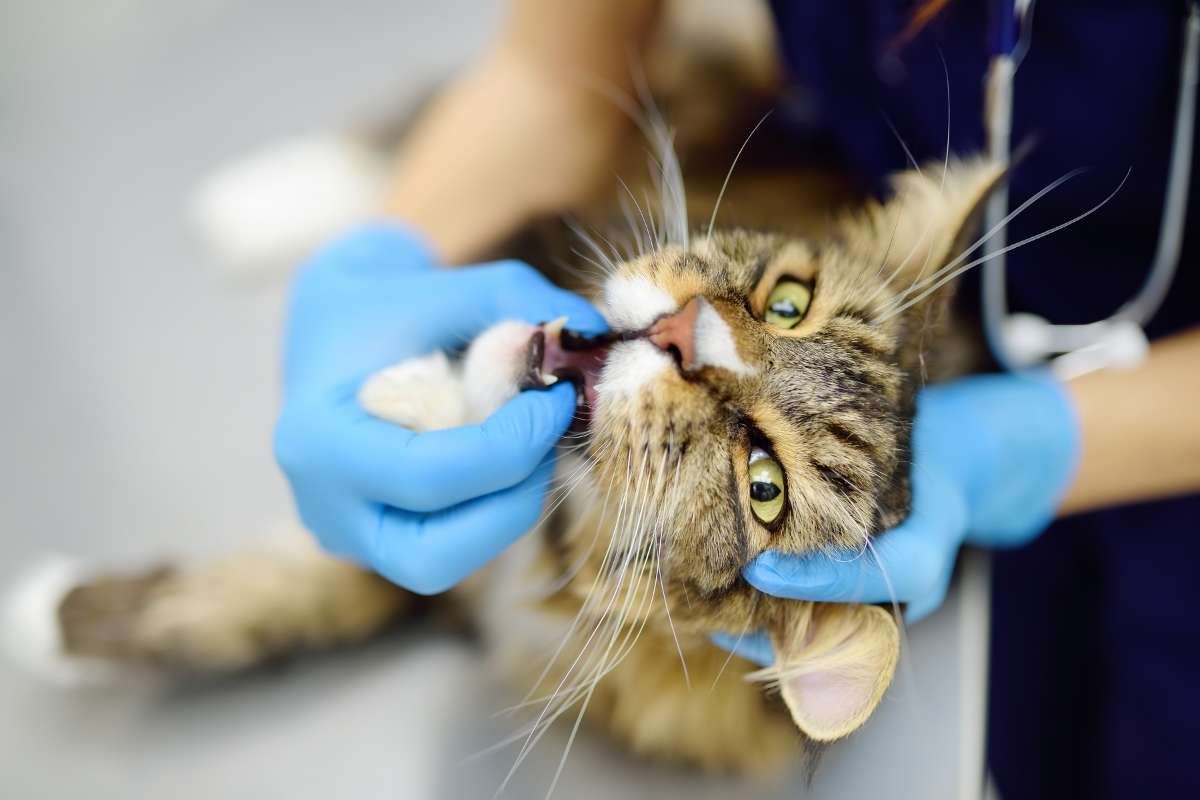
A veterinarian will review the suspected exposure, examine your dog, and recommend appropriate diagnostic testing.
Common evaluations include:
- Blood chemistry testing: Assesses kidney-related values, including blood urea nitrogen (BUN) and creatinine.
- Urinalysis: Helps evaluate kidney function and urine concentration.
- Electrolyte testing: Identifies imbalances that may develop with kidney injury.
- Repeat bloodwork: Helps monitor changes in kidney values over time.
Treatment may involve veterinarian-directed vomiting induction when appropriate, activated charcoal in selected cases, intravenous fluids, and monitoring of kidney function and urine production. Dogs with significant kidney injury may require hospitalization and intensive supportive treatment.
How Can You Prevent Grape and Raisin Poisoning?
Keep grapes, raisins, and foods containing them in securely closed cabinets or containers. Avoid leaving snacks unattended on counters or dining tables.
Remind children, family members, and visitors not to share grapes or raisin-containing foods with dogs. Check ingredient labels on baked goods, cereals, and snack mixes before offering any human food.
Grapes and raisins can cause unpredictable and potentially life-threatening kidney damage in dogs. Since there is no established safe amount, prevention and immediate action after accidental ingestion are essential.
If you are looking for a vet near you in Lawrenceville & Grayson, GA, contact Dogwood Animal Hospital if your dog may have eaten grapes or raisins. Schedule your appointment for prompt evaluation and appropriate diagnostic support.
Frequently Asked Questions
Q1. Can one grape hurt a dog?
Ans: Yes. Even a small amount may pose a risk because individual sensitivity varies. There is no established safe dose, so contact a veterinarian after any suspected ingestion.
Q2. Are raisins more dangerous than fresh grapes for dogs?
Ans: Raisins are concentrated dried grapes and can deliver a higher amount of potentially harmful substances by weight. However, both forms are toxic risks and should be avoided.
Q3. How can Dogwood Animal Hospital diagnose grape or raisin poisoning in dogs?
Ans: The veterinary team can evaluate suspected poisoning through a physical examination, blood chemistry testing, and urinalysis. These diagnostic procedures help assess kidney function, identify abnormalities, and monitor potential kidney injury.
Q4. How long after eating grapes do symptoms appear in dogs?
Ans: Vomiting and other digestive symptoms may appear within several hours. Kidney-related complications can develop later, so a dog should be evaluated even when no immediate symptoms are present.
Q5. Can dogs recover from grape or raisin poisoning?
Ans: Many dogs can recover, particularly when treatment begins promptly. The outcome depends on the amount consumed, severity of kidney injury, and response to treatment.
Q6. Should I make my dog vomit after eating raisins?
Ans: Do not induce vomiting without veterinary instructions. A veterinarian can determine whether decontamination is appropriate based on your dog’s condition and the timing of ingestion.