2050 Sugarloaf Parkway, Lawrenceville, Georgia 30045

Why Do Dogs and Cats Get Loose Teeth? Causes and Treatment

Have you noticed your dog struggling to chew a favorite treat or your cat suddenly avoiding crunchy food? These small changes may indicate something more concerning, such as a loose tooth. While losing baby teeth is normal for puppies and kittens, loose teeth in adult pets often indicate dental disease, injury, or damage to the structures supporting their teeth. Without treatment, these problems can cause persistent pain, infection, and eventual tooth loss.
Many pet owners are surprised to learn that their companions can experience significant dental discomfort without showing obvious signs. Understanding why teeth become loose and when veterinary attention is necessary can help prevent further complications. This guide is especially for pet owners in Lawrenceville and nearby communities who want to recognize dental problems early and understand how timely treatment can protect their pets’ comfort and oral health.
Why Do Dogs and Cats Develop Loose Teeth?
Adult teeth are held in place by the gums, periodontal ligaments, and surrounding jawbone. When these supporting structures become damaged, teeth may begin to move.
Several conditions can contribute to this problem.
Periodontal Disease
Periodontal disease is a leading cause of loose teeth in adult dogs and cats. It develops when plaque accumulates along the gumline and hardens into tartar.
Bacteria trigger inflammation that can eventually damage the tissues and bone supporting the teeth.
Common signs include:
- Persistent bad breath
- Red, swollen, or bleeding gums
- Yellow or brown tartar buildup
- Difficulty chewing
- Loose or missing teeth
Advanced periodontal disease can cause irreversible bone loss, making extraction necessary when teeth cannot be saved.
Dental Injuries and Trauma
Dogs sometimes injure their teeth while chewing hard objects, playing roughly, or experiencing accidents. Cats may develop dental injuries after falls, fights, or other trauma.
An injury can damage the periodontal ligament or surrounding bone, allowing a tooth to loosen even when its crown appears intact. Any tooth that becomes loose following an injury requires prompt veterinary evaluation.
Tooth Resorption in Cats
Tooth resorption is a painful dental condition frequently diagnosed in cats. It occurs when the body’s own cells progressively break down tooth structure.
Affected teeth may become fragile, damaged, or loose as the condition advances. Cats with tooth resorption may drool, chew differently, or suddenly react when eating. However, some continue eating despite considerable discomfort.
Normal Tooth Loss in Puppies and Kittens
Not every loose tooth indicates disease. Puppies generally begin losing baby teeth around three to four months of age. Kittens typically start losing theirs around a similar age.
Most permanent teeth emerge by approximately six to seven months. However, loose permanent teeth, persistent baby teeth, or unusual swelling should be evaluated by a veterinarian.
What Are the Warning Signs of Loose Teeth in Pets?
Dogs and cats often hide oral discomfort. Owners may notice behavioral changes before identifying an actual dental problem.
Watch for these symptoms:
- Chewing on only one side of the mouth
- Dropping food while eating
- Refusing hard treats or chew toys
- Excessive drooling
- Pawing at the face
- Bleeding around the gums
- Facial swelling
- Reduced appetite or unusual irritability
Some pets continue eating normally despite significant dental disease. Therefore, a normal appetite does not necessarily mean their teeth are healthy.
If your pet develops facial swelling, significant bleeding, or an inability to eat, seek prompt veterinary attention.
Can a Loose Tooth in a Dog or Cat Tighten Again?
Whether a loose tooth can recover depends on the underlying cause and the extent of damage. A mildly injured tooth may occasionally regain stability with appropriate veterinary treatment. However, teeth loosened by advanced periodontal disease generally cannot recover because the supporting bone and tissues have been permanently damaged.
Antibiotics alone cannot restore lost bone or repair a severely damaged tooth. Attempting to pull, wiggle, or stabilize a loose tooth at home can cause additional pain and injury. A veterinary examination is necessary to determine whether the tooth can be preserved or requires extraction.
How Do Veterinarians Treat Loose Teeth in Dogs and Cats?
Treatment focuses on identifying the cause, relieving discomfort, and preventing additional oral damage.
Comprehensive Oral Examination
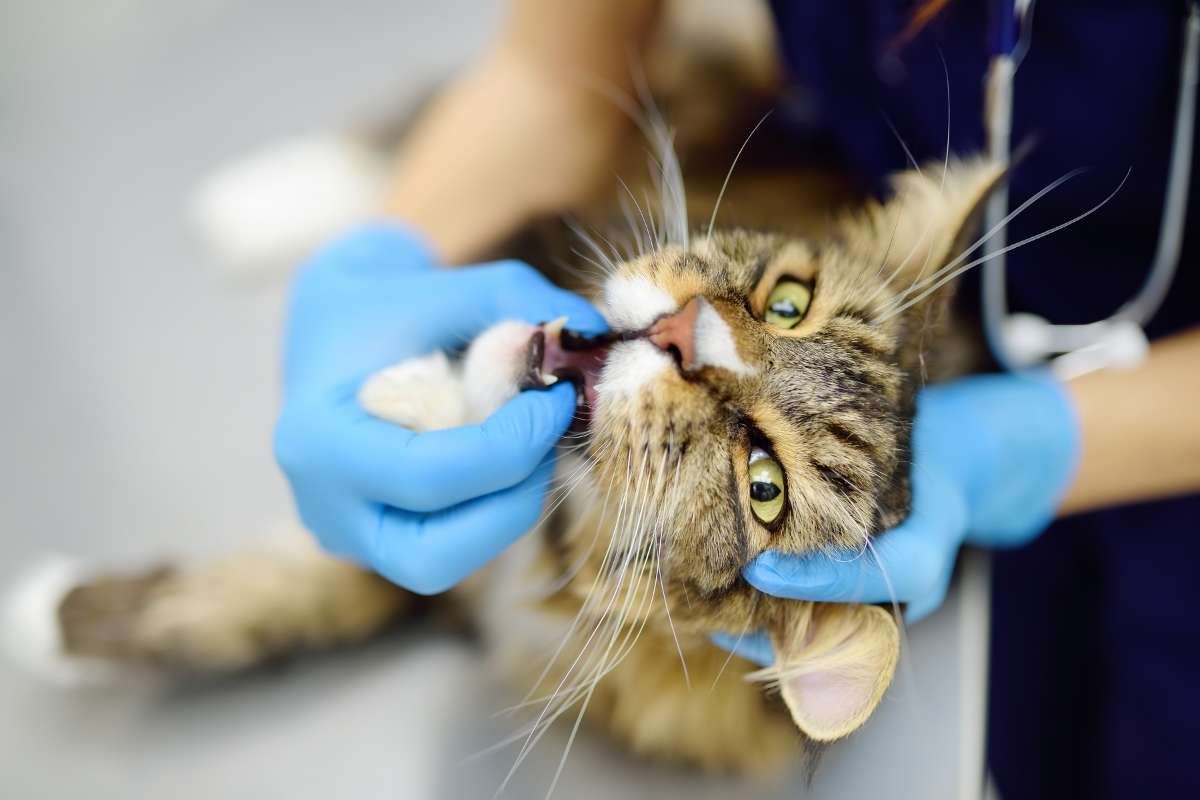
Our vets begin by examining your pet’s mouth and reviewing symptoms, eating habits, and medical history. A complete dental assessment under anesthesia may be recommended to evaluate areas beneath the gumline. Dental X-rays, when indicated, help identify hidden bone loss, damaged roots, and other abnormalities that cannot be detected through visual examination alone.
Professional Dental Cleaning
When periodontal disease is present, professional cleaning removes plaque and tartar above and below the gumline. This helps control bacterial buildup and inflammation. However, cleaning cannot restore severely damaged supporting structures or permanently stabilize teeth affected by advanced periodontal disease.
Tooth Extraction When Necessary
Severely loose, fractured, or infected teeth may require extraction. Although removing a tooth can sound concerning, eliminating a painful, diseased tooth often improves a pet’s comfort. Veterinarians provide appropriate anesthesia, pain management, and recovery instructions to support healing.
Follow-Up Care and Monitoring
After treatment, our vets provide guidance based on your pet’s condition. This may include temporary dietary adjustments, prescribed medication, home dental hygiene recommendations, and follow-up examinations. Ongoing monitoring helps identify new dental concerns before they become more serious.
How Can Pet Owners Prevent Loose Teeth?
Consistent pet dental care can reduce the risk of periodontal disease and preventable tooth loss.
Consider these preventive measures:
- Brush your pet’s teeth regularly using pet-safe toothpaste.
- Schedule routine veterinary oral examinations.
- Choose dental products accepted by the Veterinary Oral Health Council.
- Avoid bones, antlers, and extremely hard chew toys.
- Monitor changes in chewing habits and breath.
- Follow your veterinarian’s recommendations for professional dental cleanings.
Daily brushing is particularly valuable because plaque begins accumulating again shortly after cleaning.
Preventive dental care should begin early and continue throughout your pet’s life.
Why Early Dental Treatment Matters for Your Pet’s Health
A loose tooth may seem like a minor problem, but the underlying condition can affect much more than chewing. Untreated dental disease can cause persistent discomfort, infections, and progressive damage to neighboring teeth.
Early evaluation allows veterinarians to identify the source of the problem and recommend appropriate treatment. With consistent pet dental care, many dogs and cats can maintain healthier mouths, comfortable eating habits, and improved quality of life.
Help Your Pet Enjoy Comfortable, Healthy Teeth Again
Loose teeth should never be considered a normal part of aging in adult dogs and cats. Recognizing dental problems early can help prevent unnecessary discomfort and further tooth loss.
At Dogwood Animal Hospital, our veterinary practice provides preventive dentistry and treatment for existing oral conditions. Our vets work to identify dental concerns, relieve discomfort, and support your companion’s long-term oral health.
If you live in Lawrenceville or a nearby community and have noticed loose teeth, bleeding gums, or changes in your pet’s eating habits, contact our veterinary practice at 678-377-0070 or schedule a dental examination today. Help your pet return to eating comfortably and enjoying everyday activities without unnecessary dental pain.
Frequently Asked Questions
Q1. Is it normal for older dogs and cats to have loose teeth?
Ans. No. Loose permanent teeth are not a normal consequence of aging. They commonly indicate periodontal disease, injury, or another dental condition requiring veterinary evaluation.
Q2. Can loose teeth cause pain even if my pet continues eating?
Ans. Yes. Dogs and cats may continue eating despite considerable oral discomfort. Changes in chewing behavior, drooling, or reluctance to eat hard food may indicate dental pain.
Q3. Can brushing save an already loose tooth?
Ans. Brushing helps prevent plaque buildup but cannot repair damaged periodontal ligaments or restore lost jawbone. A veterinarian must determine whether an affected tooth can be preserved.
Q4. Where can I take my dog for loose tooth treatment in Lawrenceville?
Ans. Dogwood Animal Hospital provides veterinary dental examinations and treatment in Lawrenceville. Our vets can evaluate loose teeth, identify possible causes, and recommend appropriate care.
Q5. Does Dogwood Animal Hospital provide dental care for cats in Lawrenceville?
Ans. Yes. Dogwood Animal Hospital provides dental services for cats, including preventive care and treatment for existing oral conditions. Our veterinary team can assess symptoms associated with periodontal disease and other dental problems.
Q6. How can I schedule a dental examination for my pet in Lawrenceville?
Ans. Contact Dogwood Animal Hospital at 678-377-0070 to schedule an appointment. Our veterinary practice is located at 2050 Sugarloaf Parkway, Lawrenceville, GA 30045, and welcomes pets needing dental evaluations.