2050 Sugarloaf Parkway, Lawrenceville, Georgia 30045

Why Pet Bloodwork Is an Important Component of Your Healthy Pet’s Healthcare Routine

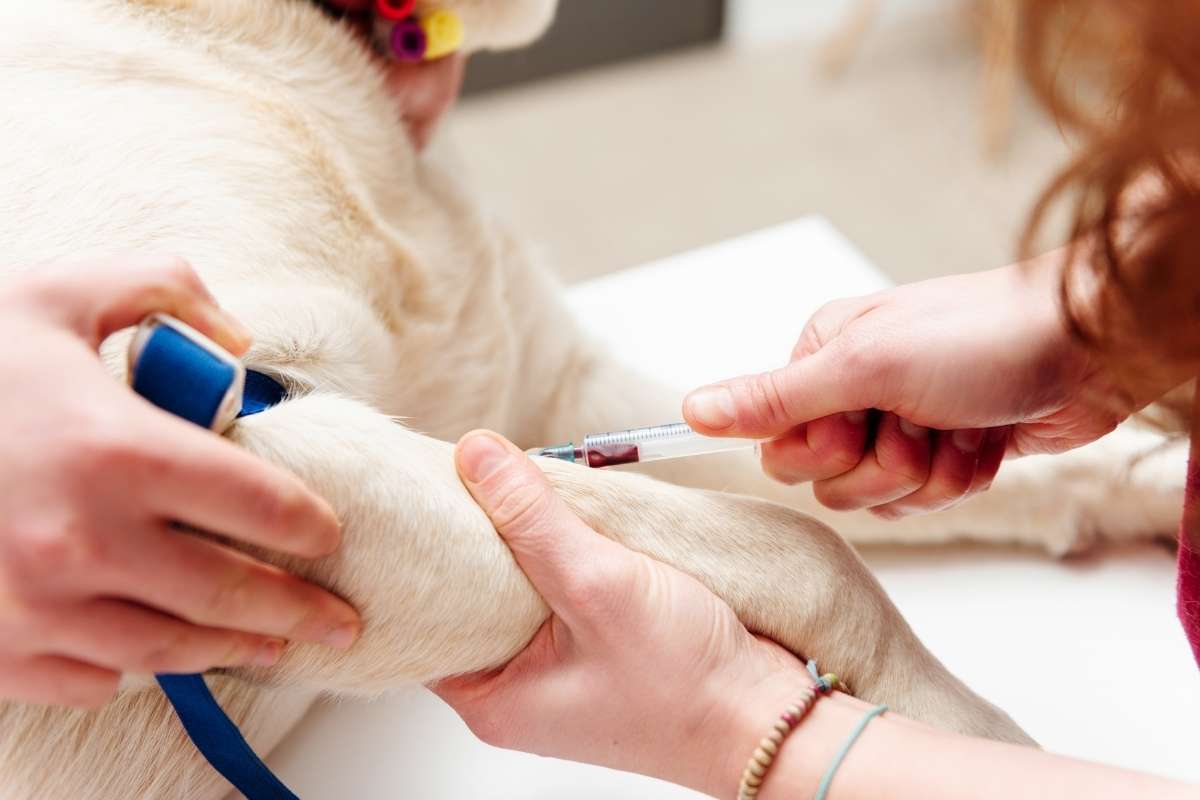
Many pet owners assume bloodwork is only necessary when a dog or cat appears sick. However, routine blood testing is one of the most valuable tools veterinarians use to monitor overall health, detect hidden medical conditions, and establish important baseline information before symptoms appear.
At Dogwood Animal Hospital, veterinarians often recommend preventive bloodwork as part of a healthy pet’s long-term wellness plan. Even pets that appear active and healthy externally may have underlying medical changes developing internally.
For pet owners in Lawrenceville, routine wellness testing can play an important role in supporting pets through seasonal changes, aging, chronic disease prevention, and early medical intervention. Understanding why bloodwork matters can help owners make informed decisions about preventive veterinary care.
What Is Routine Pet Bloodwork?
Routine bloodwork involves laboratory testing that evaluates a pet’s overall internal health. Blood samples can provide valuable information about organ function, hydration, immune response, infection, metabolism, and more.
Veterinarians commonly recommend blood testing during:
- Annual wellness exams
- Senior pet evaluations
- Pre-surgical screenings
- Illness investigations
- Medication monitoring
- Chronic disease management
These tests often help detect health concerns before physical symptoms become noticeable.
What Can Bloodwork Reveal About a Pet’s Health?
Bloodwork allows veterinarians to evaluate several critical body systems at once.
Organ Function
Blood testing helps assess how well organs such as the liver, kidneys, and pancreas are functioning.
Conditions like kidney disease or liver dysfunction may develop gradually without obvious symptoms in the early stages.
Blood Cell Counts
Complete blood count (CBC) testing measures red blood cells, white blood cells, and platelets.
Abnormal results may indicate:
- Infection
- Inflammation
- Anemia
- Immune disorders
- Clotting problems
Blood Sugar and Metabolism
Routine testing may help identify diabetes, hormonal imbalances, or metabolic disorders that can affect energy levels and long-term health.
Electrolyte Balance
Electrolytes such as sodium and potassium play important roles in hydration, muscle function, and nerve activity.
Imbalances can sometimes indicate dehydration or underlying illness.
Why Bloodwork Matters Even for Healthy Pets
Many illnesses progress silently in the early stages. Pets are also skilled at masking discomfort, which means owners may not notice subtle signs of disease right away.
Routine bloodwork helps veterinarians establish baseline values for healthy pets. These baselines make it easier to identify changes over time and detect medical concerns earlier.
Early detection often improves treatment outcomes and may reduce the risk of more serious complications later.
The Importance of Bloodwork for Senior Pets
As pets age, the risk of chronic diseases increases. Senior dogs and cats are more likely to develop conditions such as:
- Kidney disease
- Diabetes
- Thyroid disorders
- Liver disease
- Heart disease
Because many age-related illnesses develop gradually, regular wellness bloodwork becomes increasingly important for older pets.
Veterinarians may recommend more frequent testing for senior animals to monitor health changes proactively.
Pre-Surgical Bloodwork and Safety
Before anesthesia or surgery, bloodwork helps evaluate whether pets are healthy enough for procedures.
Testing may identify hidden conditions that could increase anesthesia risks or affect recovery. This allows veterinary teams to adjust treatment plans and improve patient safety.
Pre-operative bloodwork is considered an important precaution even for younger, healthy pets.
Monitoring Long-Term Medications
Pets taking long-term medications may require periodic blood testing to monitor organ function and medication effects.
Certain medications can affect the liver, kidneys, or blood cell counts over time. Routine monitoring helps veterinarians adjust dosages if necessary and reduce potential complications.
How Often Should Pets Have Bloodwork?
The ideal frequency depends on a pet’s age, medical history, and overall health.
General recommendations often include:
- Annual bloodwork for healthy adult pets
- More frequent testing for senior pets
- Additional testing for pets with chronic medical conditions
A trusted veterinary hospital can help determine an appropriate wellness testing schedule based on each pet’s individual needs.
Regular visits to a veterinary hospital also allow veterinarians to monitor changes in behavior, weight, appetite, and other health indicators alongside laboratory results.
What Pet Owners Can Expect During Blood Testing
Blood collection is typically quick and minimally invasive. Veterinarians or technicians usually collect a small sample from a vein in the leg or neck.
Most pets tolerate the process very well, especially when handled calmly and gently.
Results may be available within hours or several days, depending on the type of testing performed.
Routine bloodwork is an important part of preventive veterinary care because it helps detect hidden illnesses, monitor long-term health, and support earlier treatment when medical problems arise. Even healthy pets can benefit from regular testing as part of a proactive wellness strategy.
If you’re in Lawrenceville and need guidance from a vet near you about preventive wellness testing for your pet, schedule your appointment with Dogwood Animal Hospital. Their team can help create a personalized healthcare plan designed to support your pet’s health and wellbeing through every stage of life.
Frequently Asked Questions
Q1. Why does my healthy pet need bloodwork?
Ans. Routine bloodwork helps detect hidden medical conditions before symptoms become noticeable.
Q2. Is blood testing painful for pets?
Ans. Blood collection is generally quick and causes minimal discomfort for most pets.
Q3. How often should senior pets have bloodwork?
Ans. Many senior pets benefit from wellness bloodwork every 6–12 months, depending on their health status.
Q4. Can bloodwork detect cancer in pets?
Ans. Bloodwork alone may not diagnose cancer directly, but abnormal results can sometimes indicate the need for further testing.
Q5. Does my pet need bloodwork before dental procedures?
Ans. Yes. Pre-anesthetic bloodwork helps identify hidden health issues that may affect anesthesia safety.
Q6. How long does it take to get bloodwork results?
Ans. Some results are available the same day, while specialized tests may take longer.