2050 Sugarloaf Parkway, Lawrenceville, Georgia 30045

Why Coconut Oil Is Great for Cats: 8 Key Benefits Explained

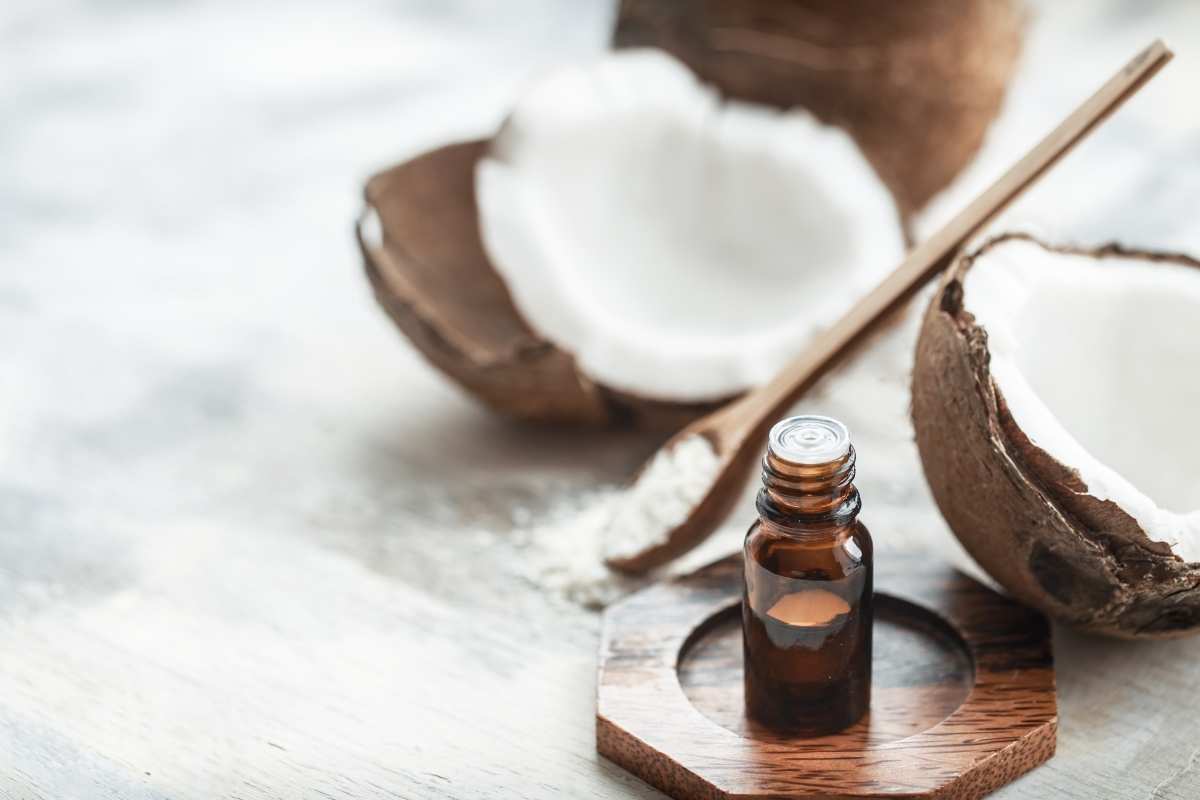
Many cat owners are turning to coconut oil as a natural supplement to support their cats’ health. When used correctly, it can help improve skin, boost digestion, and give your cat a healthier, shinier coat. If you’re considering adding coconut oil to your cat’s daily routine, start with small amounts and watch how your cat responds to ensure a smooth transition. Be patient as you introduce it gradually, and observe any positive changes in your cat’s well-being.
Understanding Coconut Oil Use for Cats
Coconut oil contains healthy fats, antioxidants, and substances that can help support your cat’s immune system, keep their skin hydrated, and boost energy levels. To see the benefits, it is best to give small amounts either mixed into food or applied directly to the skin, depending on the purpose. Not all supplements work the same for every cat. Some may adjust quickly, while others may need smaller doses to prevent upset stomachs.
Understanding the right amount, how often, and the best way to apply it will help your cat stay healthy and comfortable. Always talk to your veterinarian before starting any long-term supplement to ensure it is safe for your cat.
Skin & Coat Support
Coconut oil can help improve a cat’s skin condition by adding a small amount to their diet or grooming routine. It often helps with dryness, dandruff, and mild skin irritations, making the skin feel healthier. The natural antifungal and moisturizing properties of coconut oil work to strengthen the skin’s barrier and keep it nourished.
Benefits for external use include:
- Hydrates dry skin and reduces flaking
- Adds natural shine to dull coats
- Helps soften coarse hair over time
When used in moderation, coconut oil can help alleviate itching from mild dryness. A soft coat indicates overall health, which is why many cat owners favor this supplement.
Digestive Health Aid
One advantage of coconut oil for cats is that it can support gentle digestion. Using small amounts of it in their meals promotes regular stool movement and alleviates occasional constipation. The fatty acids in coconut oil provide energy and also help the body absorb nutrients more effectively. Cats with slow bowel movements or mild digestive sensitivities might respond well to a gradual introduction. Giving too much too quickly can lead to loose stools, so it is vital to be cautious with the amount used.
Hairball Reduction
Hairballs are a common issue in long-haired cats. Coconut oil can help by making hair pass through the digestive system more easily, reducing the formation of hairballs. This makes coconut oil a helpful and practical remedy for cat owners concerned about this problem.
Regular grooming combined with small amounts of oil can help decrease the frequency of hairballs expelled. It’s an easy practice that shows noticeable benefits for many cat owners.
Energy and Immunity Support
Coconut oil provides fatty acids that can be quickly used for energy. This can help active or playful cats stay energized and engaged. Additionally, coconut oil supports the immune system because of its antioxidant properties. When cats have more energy, they tend to remain curious and lively, and a strong immune system helps them stay healthy over time.
Oral and Dental Comfort
Using coconut oil regularly can help keep the mouth feeling fresh. When applied gently on the gums or mixed into small amounts of food, it can reduce bacteria and help improve breath. This offers a calming benefit for cats, though it should not replace regular dental care. Coconut oil can provide comfort and support, but it is not a substitute for proper oral hygiene practices.
Metabolism and Weight Balance
Some cat owners see that giving small doses of oil, along with an active lifestyle, can help support weight control. Coconut oil may have a gentle effect on a cat’s metabolism when given regularly and in proper portions. It is not meant to be a weight-loss solution, but if managed correctly, it can help keep a cat’s metabolic rate steady and support overall health.
First-Aid Surface Relief
Minor skin irritation or hotspots in cats can be eased with the natural soothing properties of coconut oil. This simple remedy offers immediate relief and is one of the many ways coconut oil can benefit cats.
Proper usage includes:
• Apply a thin layer only
• Monitor licking behavior
• Stop use if redness increases
This approach is supportive, not a medical replacement, so guidance from the care team is recommended for ongoing cases.
Overall Wellness Booster
Coconut oil can provide helpful support for a cat’s daily health. It can enhance coat shine, aid digestion, promote fresh breath, and improve comfort. Cats that tolerate coconut oil well may experience balanced wellness when it is introduced gradually and carefully. This approach allows for gentle, steady benefits that can contribute to a happier, healthier life for your cat.
Healthy Use Starts at Home
Introducing coconut oil gradually, watching meal portions, and checking skin response help ensure safe results. The benefits of coconut oil for cats become more visible with routine use and proper monitoring.
If your cat needs help with diet planning, sensitivities, or supplement guidance in Lawrenceville, GA, contact Dogwood Animal Hospital for assistance tailored to your cat’s needs. Schedule a wellness consultation to learn how supplements like coconut oil may support your feline companion. You can also call for advice on dosage, introduction timing, and ongoing monitoring so your cat enjoys positive results with comfort and care.
FAQs
Q1. How much coconut oil should I give my cat?
Ans. Start with a small amount, usually 1/8 teaspoon mixed in food. Gradually increase only if digestion remains smooth. Introducing slowly helps avoid loose stools and gives you time to see how your cat responds positively.
Q2. Can coconut oil cause stomach upset?
Ans. Yes, if given too much too quickly. Some cats experience loose stools or nausea when introduced gradually. Begin with small amounts and increase progressively while monitoring the litter box closely.
Q3. Is coconut oil safe for daily use?
Ans. Moderate daily use can be safe for many cats, but portion matters. Consistent micro-doses work better than large amounts. Constantly monitor appetite, stool, and coat response throughout the first few weeks of usage.
Q4. Can coconut oil replace medication?
Ans. No, it supports wellness but does not replace medical treatment. Coconut oil improves comfort and coat health, but chronic issues still need proper evaluation. Combine supplement use with professional guidance whenever required.
Q5. Does coconut oil reduce shedding?
Ans. Improved coat hydration may reduce flaky skin and mild shedding. Cats with dry coats often show better texture and shine after consistent use. Results vary depending on grooming habits and internal digestive balance.