2050 Sugarloaf Parkway, Lawrenceville, Georgia 30045

Pet Comfort Tips: Keeping Your Pets Calm on Halloween Night

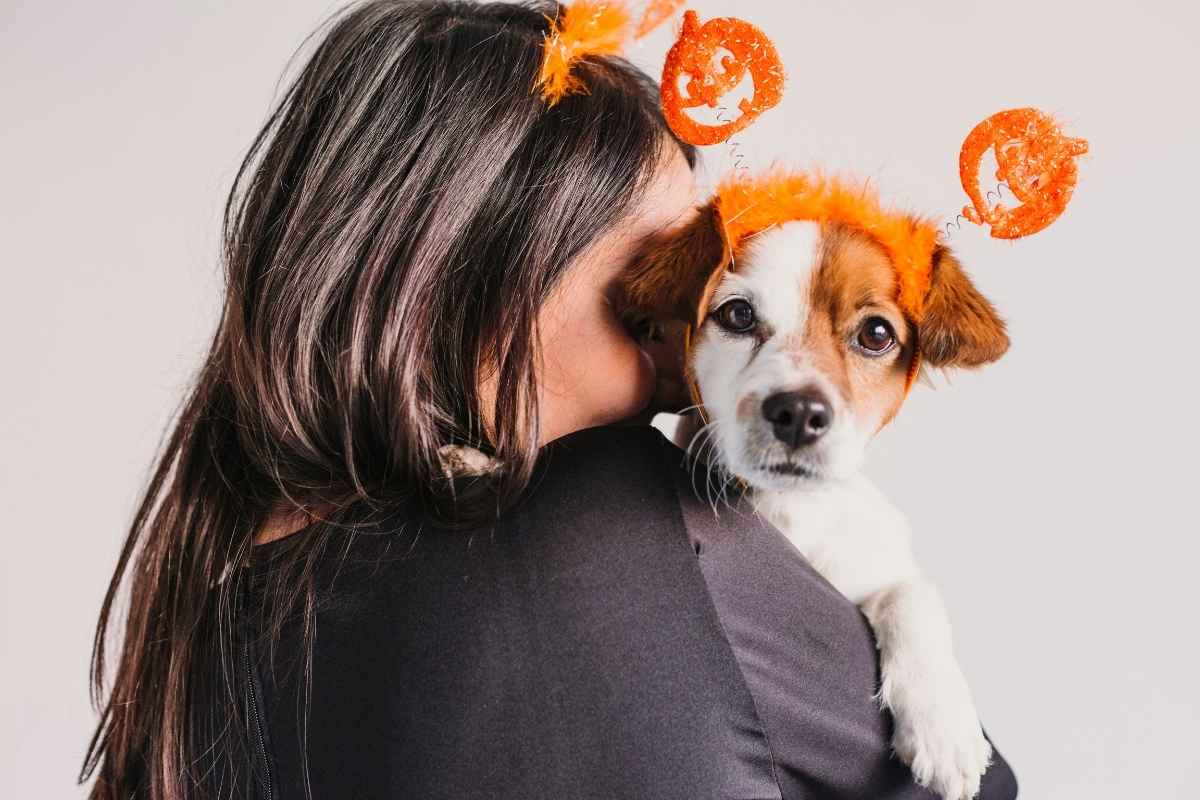
Halloween can be a fun and festive time for families, but for pets, it can be a source of anxiety and stress. With costumes, decorations, loud noises, and constant visitors, many pets feel overwhelmed. Understanding how to ensure your furry friends’ well-being during the chaos is key. By implementing effective pet comfort tips, you can help them feel safe, calm, and happy throughout the evening.
Why Halloween Can Be Stressful for Pets
Halloween introduces a variety of stimuli that can trigger fear or anxiety in pets. Dogs and cats are especially sensitive to:
- Loud noises like fireworks, doorbells, and shouting children
- Unfamiliar costumes and masks
- Crowded streets and trick-or-treaters
- Sudden changes in routine
These factors can lead to stress behaviors, including hiding, excessive barking, trembling, or even attempts to escape. Recognizing these triggers is the first step in reducing Halloween stress in dogs and other pets.
Creating a Safe and Comfortable Environment
1. Set Up a Quiet Zone
Designate a calm, secure space for your pet away from the front door and main party areas. Include their favorite bed, toys, and fresh water. Playing soft music or white noise can help mask external sounds and create a soothing environment.
2. Maintain Routine
Pets thrive on consistency. Keeping regular feeding times, walks, and play sessions can reduce anxiety. Even small disruptions can heighten Halloween stress in dogs, so maintaining routine is an important comfort tip.
3. Limit Exposure to Crowds
Not all pets enjoy social interactions. For nervous pets, it’s better to keep them in a quiet room rather than exposing them to noisy visitors or costumes. If your dog enjoys the company, monitor closely and use treats to reinforce calm behavior.
Managing Halloween Stress in Dogs
1. Use Calming Aids
For pets prone to anxiety, calming aids such as pheromone diffusers, anxiety wraps, or natural supplements can be helpful. These tools can reduce fear responses and make the evening more enjoyable.
2. Gentle Handling
Avoid forcing your pet to interact with trick-or-treaters or participate in activities they dislike. Respecting your pet’s comfort and giving them space can significantly lower stress.
3. Monitor Behavior
Watch for signs of distress such as panting, pacing, drooling, or attempts to hide. Early intervention is key—remove your pet from stressful situations to prevent escalation.
Fun and Safe Halloween Activities for Pets
You can still include your pet in the festivities without compromising their comfort. Simple ideas include:
- Indoor games with favorite toys
- Dress-up photoshoots at home
- Short, calm walks in quieter areas
These activities allow your pet to enjoy Halloween safely while minimizing stress.
For additional guidance on pet well-being and safety during seasonal events, you can check out our veterinary pet care resources for expert tips and advice.
Halloween doesn’t have to be stressful for pets. By planning ahead, monitoring behavior, and implementing simple pet comfort tips, you can ensure your furry companions enjoy the night safely. Every pet is different, so adjust strategies to match their personality and needs. With a calm, secure environment and mindful attention, you can celebrate Halloween while keeping your pets happy and stress-free.
FAQs:
Q1. How can I reduce Halloween stress in dogs?
Ans. Provide a quiet space, maintain routines, and use calming aids like pheromone diffusers or anxiety wraps to help your dog stay calm.
Q2. Should I dress my pet in a costume?
Ans. Only if your pet is comfortable. Start with lightweight or familiar accessories, and avoid anything restrictive or irritating.
Q3. What signs indicate my pet is stressed?
Ans. Common signs include trembling, hiding, excessive panting, drooling, or aggressive behavior. Early intervention is important.
Q4. Can pets be included in Halloween festivities safely?
Ans. Yes, with proper precautions. Indoor games, calm walks, or photoshoots allow pets to participate without exposing them to stress.
Q5. Are there natural ways to calm anxious pets?
Ans. Yes, pheromone sprays, anxiety wraps, and calming treats can reduce fear. Gentle handling and positive reinforcement also help.
Q6. What should I do if my pet shows extreme anxiety?
Ans. Move your pet to a quiet, safe area, offer comfort, and avoid forcing interaction. Consult a veterinarian if anxiety is severe or persistent.
Related Articles