2050 Sugarloaf Parkway, Lawrenceville, Georgia 30045

Dog Vomiting Warning Signs: What’s Normal and What Needs a Vet

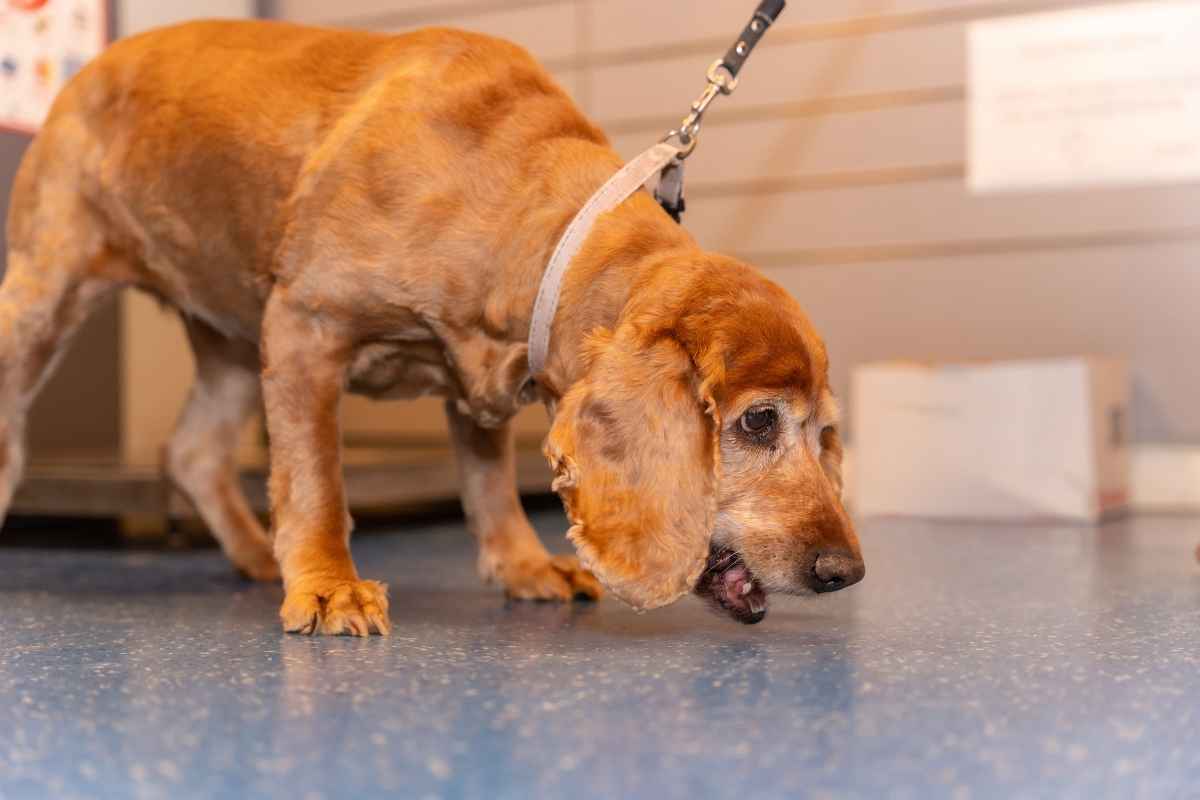
Seeing your dog vomit is upsetting, especially when you’re not sure what’s causing it. Dogs can throw up for many reasons—some mild and temporary, others more serious and requiring quick attention. As a dog owner, knowing the difference between normal digestive upset and alarming symptoms can help you respond calmly and protect your pet’s health.
This guide explains the common causes of vomiting, when it’s considered normal, the warning signs that shouldn’t be ignored, and what steps you can safely take at home. With a better understanding of your dog’s symptoms, you can support them through recovery and know when it’s time to seek professional care.
Understanding Why Dogs Vomit
Vomiting is the body’s natural way of removing something irritating from the stomach. While it can look dramatic, it doesn’t always mean something serious. Here are some common reasons dogs vomit:
1. Eating too fast
Many dogs gulp down food quickly, which can cause gagging or vomiting right after meals.
2. Dietary indiscretion
Dogs love exploring with their mouths. Eating grass, spoiled food, trash, or table scraps can upset their stomach and trigger vomiting.
3. Sudden diet change
Switching to a new food cold turkey can shock the digestive system.
4. Food sensitivities
Some dogs react poorly to certain proteins, grains, or ingredients.
5. Motion sickness
Puppies and some adult dogs may vomit during car rides.
These causes often improve with simple home care. However, vomiting can also signal deeper health problems.
When Dog Vomiting Is Normal
Occasional, mild vomiting isn’t unusual. In many cases, it resolves quickly. Vomiting may be considered “normal” if:
- it happens only once
- your dog acts normal afterward
- your dog has normal appetite, energy, and bowel movements
- no blood is present
Dogs may also vomit yellow foam (bile) early in the morning on an empty stomach. This sometimes happens when a dog goes too long between meals.
If your dog returns to normal behavior soon after, there’s usually no reason to worry.
Warning Signs That Vomiting Is Serious
Vomiting becomes a red flag when it comes with other concerning symptoms. These signs mean your dog may need urgent care:
1. Vomiting multiple times in a day
Repeated vomiting can cause dehydration and may point to an infection, toxin, or blockage.
2. Blood in vomit
This may appear bright red or dark like coffee grounds.
3. Lethargy or weakness
A sudden drop in energy is not normal and can signal internal problems.
4. Refusing food or water
A loss of appetite lasting more than 24 hours is a concern.
5. Diarrhea along with vomiting
The combination raises the risk of dehydration and is common with viruses or parasites.
6. Swollen or painful abdomen
A bloated belly can be a sign of a life-threatening emergency like bloat (GDV).
7. Vomiting after eating foreign objects
Toys, bones, socks, or household items can get stuck in the intestines.
8. Sudden vomiting in puppies or seniors
Young and old dogs get sick faster and need quicker attention.
If you notice any of these symptoms, contact a veterinarian as soon as possible for guidance.
Common Health Conditions Linked to Vomiting
Understanding potential medical causes helps you make informed decisions. Vomiting can be linked to:
- Pancreatitis
- Kidney or liver disease
- Intestinal blockages
- Parvovirus (especially in puppies)
- Toxin exposure
- Severe infections
- Parasites (roundworms, hookworms, etc.)
These issues cannot be treated at home and require prompt veterinary care.
Safe Home Care for Mild Vomiting
If your dog vomits once but seems otherwise normal, try these gentle steps:
1. Hold food briefly
Skip one meal (not more) to let the stomach rest. Never withhold water.
2. Offer small amounts of water
Encourage slow sipping to prevent dehydration.
3. Feed bland food for 24–48 hours
Plain boiled chicken with white rice often helps settle the stomach.
4. Reintroduce normal food slowly
Mix small amounts with the bland diet to avoid upsetting the stomach again.
5. Prevent access to trash or table scraps
This helps avoid repeat episodes.
These simple steps often help dogs recover from mild stomach upset.
If you’re looking for vets in Lawrenceville, GA, local professionals can guide you based on your dog’s age, medical history, and symptoms.
At Dogwood Animal Hospital, compassionate care and expert guidance help pet owners feel confident about their dog’s health.
When Vomiting Requires an Immediate Vet Visit
Contact a vet right away if:
- vomiting lasts longer than 24 hours
- your dog vomits after drinking water
- you suspect toxin exposure
- your dog shows signs of severe pain
- there are neurological symptoms like staggering or seizures
Fast intervention can prevent complications and help your dog feel better sooner.
Vomiting is common in dogs, but it’s not something to ignore. A single episode with no other symptoms may be normal. However, repeated vomiting, blood, weakness, or refusal to eat can point to serious health problems. The best thing you can do is observe your dog closely, provide gentle home care when appropriate, and contact a veterinarian if anything feels off. Acting early helps ensure your dog gets the care they need and recovers comfortably.
Frequently Asked Questions:
1Q. Why does my dog vomit yellow foam?
Ans. Yellow foam usually means your dog is vomiting bile on an empty stomach. Feeding smaller, more frequent meals can help. If it happens often, schedule a veterinary exam.
2Q. Can stress or anxiety make my dog vomit?
Ans. Yes. Dogs may vomit during stressful events like car rides, thunderstorms, or vet visits. Calming routines, gradual desensitization, and a predictable schedule can help reduce episodes.
3Q. Should I give my dog over-the-counter medicine?
Ans. No. Many human medications are unsafe for dogs. Always ask your veterinarian before giving any medication, even if it seems mild.
4Q. What if my dog vomits right after eating grass?
Ans. Eating grass can irritate the stomach lining and lead to vomiting. Occasional grass eating is normal, but frequent episodes may indicate nausea or digestive issues.
5Q. Is vomiting a sign of poisoning?
Ans. It can be. Toxins like chocolate, xylitol, grapes, cleaning products, or certain plants often cause vomiting. If poisoning is possible, seek emergency care immediately.
6Q. When should puppies see a vet for vomiting?
Ans. Puppies should be seen right away. They dehydrate quickly and are more vulnerable to infections like parvovirus, which can be life-threatening.