2050 Sugarloaf Parkway, Lawrenceville, Georgia 30045

Cat Urinary Blockage: Warning Signs, Causes, and When to Seek Veterinary Care

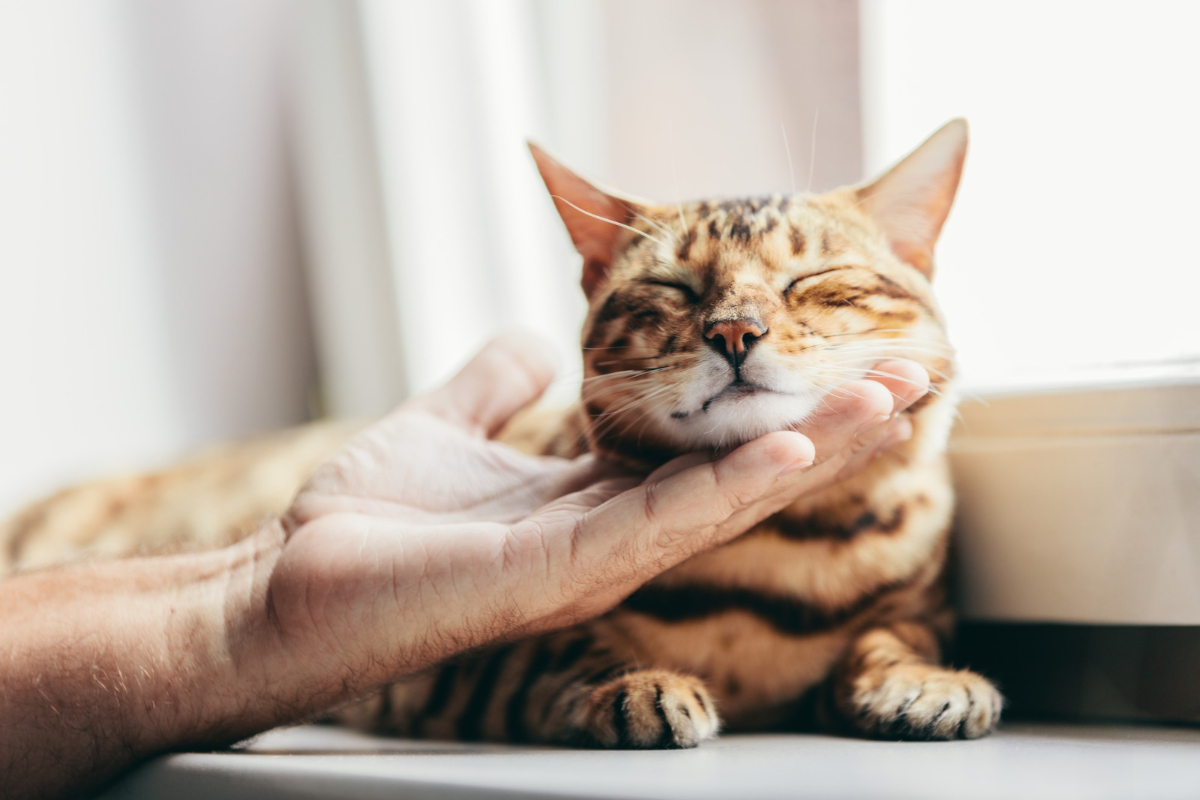
When a cat repeatedly visits the litter box but produces little or no urine, it may be more than a minor urinary problem. A urinary blockage, also called urethral obstruction, is a serious condition that can quickly become life-threatening, particularly in male cats. Recognizing the early warning signs and seeking urgent pet care can make a significant difference in your cat’s health and recovery.
At Dogwood Animal Hospital, we understand how concerning sudden changes in your cat’s bathroom habits can be. Understanding the causes, symptoms, and potential complications of urinary blockage helps pet owners recognize when their feline companion needs prompt medical attention.
What Is a Urinary Blockage in Cats?
A urinary blockage occurs when the urethra, the tube that carries urine from the bladder out of the body, becomes partially or completely obstructed. This prevents normal urination and causes urine to accumulate inside the bladder.
The obstruction may develop due to mucus plugs, inflammatory material, crystals, or small urinary stones. Male cats are at greater risk because their urethras are narrower than those of female cats.
When urine cannot leave the body, waste products and electrolytes build up in the bloodstream. This can cause kidney damage, dangerous potassium imbalances, heart complications, and potentially death without emergency treatment.
Early Warning Signs of Cat Urinary Blockage
Recognizing changes in litter box behavior is essential. Watch for these common symptoms:
1. Frequent Trips to the Litter Box
Your cat may repeatedly enter the litter box and attempt to urinate without producing much urine.
2. Straining to Urinate
A blocked cat may squat for extended periods, strain, or appear uncomfortable while trying to pass urine. This behavior can sometimes be mistaken for constipation.
3. Little or No Urine Production
Producing only a few drops or no urine at all is a major warning sign. A complete blockage requires immediate emergency attention.
4. Crying or Vocalizing
Some cats meow, cry, or show signs of distress while attempting to urinate.
5. Blood in the Urine
Pink, red, or blood-tinged urine may indicate inflammation, urinary stones, or other urinary tract problems.
6. Vomiting, Weakness, or Loss of Appetite
As the obstruction progresses, affected cats may become lethargic, refuse food, vomit, or develop severe weakness.
Important: If your cat is straining but cannot pass urine, do not wait for additional symptoms. Seek emergency veterinary care immediately.
What Causes Urinary Blockage in Cats?
Several conditions can contribute to feline urinary obstruction.
- Urinary crystals: Mineral crystals can collect in the urinary tract and contribute to the formation of plugs or stones.
- Bladder stones: Certain mineral deposits can develop into stones that obstruct urine flow.
- Inflammation: Feline lower urinary tract inflammation can cause swelling, discomfort, and the formation of obstructive material.
- Mucus plugs: Mucus mixed with inflammatory cells and mineral material can block the urethra.
- Stress: Environmental changes, household conflict, and disrupted routines may contribute to feline urinary problems.
Male cats, overweight cats, and cats with certain urinary health histories may have increased risk. However, urinary problems can affect cats of different ages and lifestyles.
When Should You Seek Veterinary Care?
A suspected urinary blockage should always be treated as an emergency. A cat that cannot urinate needs immediate evaluation at an emergency veterinary facility. Do not wait until the next morning or for a routine appointment.
Depending on your cat’s condition, treatment may involve:
- Physical examination and bladder assessment.
- Blood tests to evaluate kidney function and electrolyte levels.
- Urinalysis to identify crystals, blood, or signs of inflammation.
- X-rays or ultrasound to investigate urinary stones and other abnormalities.
- Urinary catheterization to relieve the obstruction.
- Intravenous fluids and hospitalization for monitoring.
A blocked cat may require emergency stabilization, catheter placement, and continuous monitoring. If your cat cannot urinate, contact an emergency veterinary hospital immediately. For urgent urinary symptoms that do not involve a complete blockage, call your regular veterinary team to discuss appropriate same-day evaluation.
How Can You Help Prevent Urinary Problems in Cats?
Although not every urinary blockage can be prevented, certain habits may support better urinary health.
- Provide fresh, clean water throughout the day.
- Encourage water intake with a pet fountain or additional water bowls.
- Feed a veterinarian-recommended diet appropriate for your cat’s needs.
- Keep litter boxes clean and accessible.
- Maintain a consistent daily routine to reduce environmental stress.
- Monitor litter box habits and changes in urine production.
- Schedule regular wellness examinations.
Cats with previous urinary problems may benefit from individualized dietary recommendations and ongoing monitoring.
Cat urinary blockage is a potentially life-threatening condition that requires prompt recognition and appropriate medical attention. Monitoring litter box habits, encouraging hydration, and addressing unusual urinary behavior early can help protect your cat’s health. If you’re in Lawrenceville & Grayson, GA, and looking for a vet near you for your cat’s urinary health concerns, schedule your appointment with our veterinary team. Early evaluation can help identify urinary problems and guide the next steps toward appropriate treatment.
FAQs:
Q1. How can I tell if my cat has a urinary blockage?
Ans: Frequent litter box visits, straining, crying while urinating, and producing little or no urine are common warning signs. A veterinarian must evaluate your cat to confirm the cause.
Q2. Can female cats develop urinary blockages?
Ans: Yes. Although male cats are more susceptible because of their narrower urethras, female cats can also experience urinary obstruction.
Q3. How long can a cat survive with a urinary blockage?
Ans: A complete urinary blockage can become fatal within a few days and may cause serious complications much sooner. Never wait to see whether your cat improves without treatment.
Q4. Can changing my cat’s food prevent urinary blockage?
Ans: Certain therapeutic diets may help reduce the recurrence of specific urinary stones or crystals. However, dietary changes should be based on a veterinarian’s diagnosis and recommendations.
Q5. Is a urinary blockage the same as a urinary tract infection?
Ans: No. A urinary tract infection involves bacterial infection, while a blockage prevents urine from flowing normally. Both can cause urinary symptoms, but they require different diagnostic and treatment approaches.
Q6. How does Dogwood Animal Hospital help cats with urinary problems?
Ans: The veterinary team offers feline diagnostic services, including urinalysis, blood testing, digital X-rays, and ultrasound, to investigate urinary health concerns. Same-day urgent appointments may be available for appropriate cases. Cats with suspected complete obstruction need immediate emergency evaluation.