2050 Sugarloaf Parkway, Lawrenceville, Georgia 30045

Senior Pet Health: Why Diet Alone Isn’t Enough

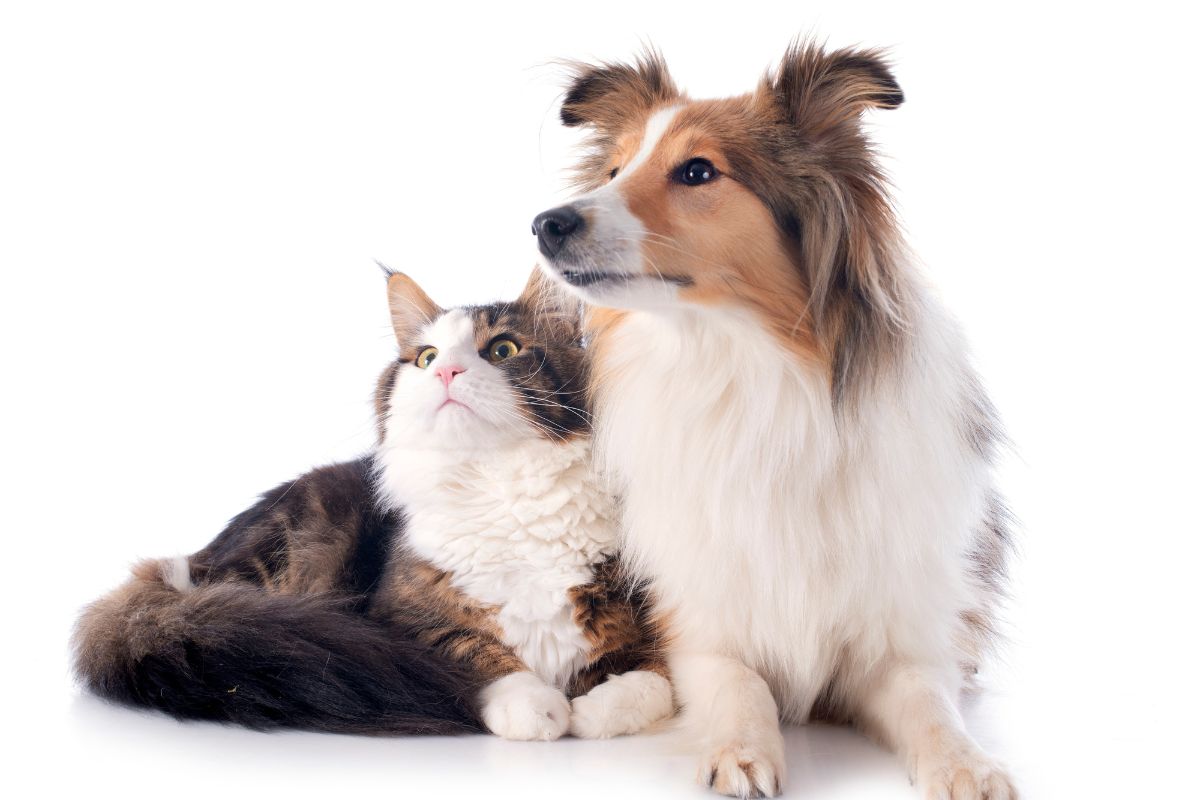
As dogs and cats grow older, their health needs can change in ways that are not always obvious at home. A nutritious diet remains important, but healthy aging also depends on preventive visits, dental health, mobility, mental well-being, weight management, and early detection of age-related conditions. Understanding these needs can help pet owners make informed decisions as their companions enter their senior years.
At Dogwood Animal Hospital, senior pet care focuses on looking at the whole animal rather than relying on nutrition alone. Older pets can experience gradual changes in organ function, movement, behavior, and comfort. Regular veterinary assessments can help identify subtle changes early and guide an individualized wellness plan.
Why Diet Is Only One Part of Senior Pet Health
Senior pets often benefit from diets formulated around their age, body condition, activity level, and health status. However, changing food cannot address every challenge associated with aging.
For example, an older dog may develop arthritis that affects mobility, while an aging cat may experience dental discomfort or changes in kidney function. These issues require appropriate evaluation and management rather than dietary changes alone.
A complete approach to senior wellness considers several areas of health at the same time.
1. Regular Wellness Examinations
Routine veterinary examinations become increasingly valuable as pets age. During an appointment, a veterinarian can evaluate weight, body condition, heart and respiratory function, joints, skin, eyes, ears, teeth, and overall behavior.
Senior pets may develop health problems gradually, and early symptoms can be easy to overlook. Regular examinations provide an opportunity to establish a baseline and identify changes before they become more advanced.
The recommended frequency of visits depends on factors such as age, species, breed, medical history, and individual risk factors.
2. Bloodwork and Diagnostic Testing
Some age-related conditions may not produce noticeable symptoms during their early stages. Blood and urine testing can provide additional information about organ function and overall health.
Depending on the pet, a veterinarian may recommend screening for changes involving the kidneys, liver, blood cells, glucose levels, or other important health indicators.
Diagnostic testing should be selected based on the pet’s age, history, physical examination, and risk factors. Results can also help veterinarians determine whether changes in diet, medication, monitoring, or other care are appropriate.
3. Dental Health Matters
Dental disease is common in dogs and cats, particularly as they get older. Plaque and tartar can contribute to inflammation, gum disease, pain, and tooth loss.
Pets may not always show obvious signs of oral discomfort. Changes such as bad breath, difficulty chewing, dropping food, reduced appetite, pawing at the mouth, or reluctance to eat harder foods may warrant a dental evaluation.
At-home brushing can help control plaque, but it does not replace professional dental assessment when disease is present.
4. Mobility and Joint Health
Reduced activity is sometimes dismissed as a normal part of aging. While older pets may naturally slow down, significant stiffness, difficulty climbing stairs, reluctance to jump, or trouble getting up can indicate an underlying problem.
Maintaining an appropriate body weight can reduce unnecessary stress on joints. Depending on the cause of mobility changes, a veterinarian may also recommend exercise adjustments, rehabilitation, pain management, environmental modifications, or other supportive measures.
Small changes at home, such as providing non-slip surfaces and easier access to food, water, and resting areas, may also improve comfort.
5. Weight and Nutrition Need Ongoing Attention
A senior pet’s nutritional requirements may change as activity levels, metabolism, and health conditions change. Both weight gain and unintended weight loss can be important health concerns.
Instead of automatically switching to a senior diet, pet owners should consider the individual’s body condition and medical needs. Some pets may require a specific therapeutic diet because of an underlying condition, while others may simply need adjustments to portions or feeding routines.
A veterinarian can help determine whether a dietary change is appropriate and how to make it safely.
6. Watch for Behavioral Changes
Changes in behavior can sometimes provide important clues about an older pet’s health. Increased vocalization, confusion, altered sleep patterns, house-soiling, withdrawal, irritability, or changes in interaction may have several possible causes.
Pain, sensory changes, medical conditions, anxiety, and age-related cognitive changes can all influence behavior. Rather than assuming a new behavior is simply due to aging, pet owners should discuss noticeable changes with a veterinarian.
Keeping a simple record of appetite, activity, sleep, bathroom habits, and behavior can make it easier to identify gradual changes.
7. Create a Comfortable Home Environment
Senior pets may benefit from practical adjustments around the home. Comfortable bedding, accessible water, appropriate food placement, ramps or steps where needed, and easy-to-navigate spaces can help pets remain active and comfortable.
Cats may benefit from low-entry litter boxes and resources placed where they can reach them without excessive jumping or climbing.
These changes are not substitutes for medical care, but they can complement a broader wellness plan.
When Should You Contact a Veterinarian?
Pet owners should contact a veterinarian when they notice persistent or significant changes in appetite, thirst, weight, breathing, mobility, bathroom habits, behavior, energy, or comfort.
Urgent evaluation may be appropriate when a pet has difficulty breathing, collapses, experiences repeated vomiting or diarrhea, cannot urinate, has severe pain, or shows other sudden and concerning symptoms.
Early attention can be especially important for older pets because multiple health issues may develop at the same time.
A balanced diet is an important foundation for an aging pet, but healthy aging involves much more. Regular examinations, appropriate diagnostic screening, dental care, weight management, mobility support, behavioral monitoring, and a comfortable home environment can all contribute to maintaining quality of life.
For pet owners in Lawrenceville, GA, a personalized wellness approach can help identify changing needs and support better health throughout the senior years. Schedule your appointment with Dogwood Animal Hospital to discuss an appropriate wellness plan for your aging companion.
FAQs:
Q1. When is a dog or cat considered a senior pet?
Ans: The timing varies by species, breed, size, and individual health. Many dogs and cats begin entering their senior years around seven years of age, although larger dogs may age sooner and some cats remain healthy well beyond this point.
Q2. Does my senior pet need a special diet?
Ans: Not every older pet requires the same type of food. Dietary needs depend on body condition, activity level, existing health concerns, and individual nutritional requirements. Discuss dietary changes with your veterinarian before switching foods.
Q3. How often should senior pets have veterinary checkups?
Ans: Older pets may benefit from more frequent examinations than younger adult pets. Your veterinarian can recommend an appropriate schedule based on age, medical history, risk factors, and current health.
Q4. Is sleeping more normal for older pets?
Ans: Older pets may sleep more, but a sudden or significant increase in sleeping can sometimes indicate pain, illness, weakness, or another health concern. Changes should be monitored and discussed with a veterinarian if they persist.
Q5. What signs may indicate pain in an older pet?
Ans: Difficulty standing, stiffness, reluctance to climb stairs or jump, changes in posture, reduced grooming, irritability, withdrawal, or changes in appetite can be possible signs of discomfort.
Q6. How can I help my senior pet stay comfortable at home?
Ans: Maintain a healthy body condition, provide comfortable bedding, keep food and water accessible, reduce slipping hazards, support dental hygiene, and monitor changes in behavior, mobility, appetite, and bathroom habits.
Related Articles