2050 Sugarloaf Parkway, Lawrenceville, Georgia 30045
Is Raw Dog Food Safe? Vet-Approved Pros, Cons & Guidelines

Raw dog food diets have gained popularity among pet owners looking for a more natural way to feed their dogs. Supporters claim raw feeding improves digestion, coat health, energy levels, and overall wellness. However, many veterinarians caution that raw diets can also come with significant health risks if not properly balanced and handled.
In this guide, we’ll explore the pros and cons of raw dog food, discuss potential safety concerns, and provide veterinarian-approved guidelines to help pet owners make informed decisions about their dog’s nutrition.
What Is a Raw Dog Food Diet?
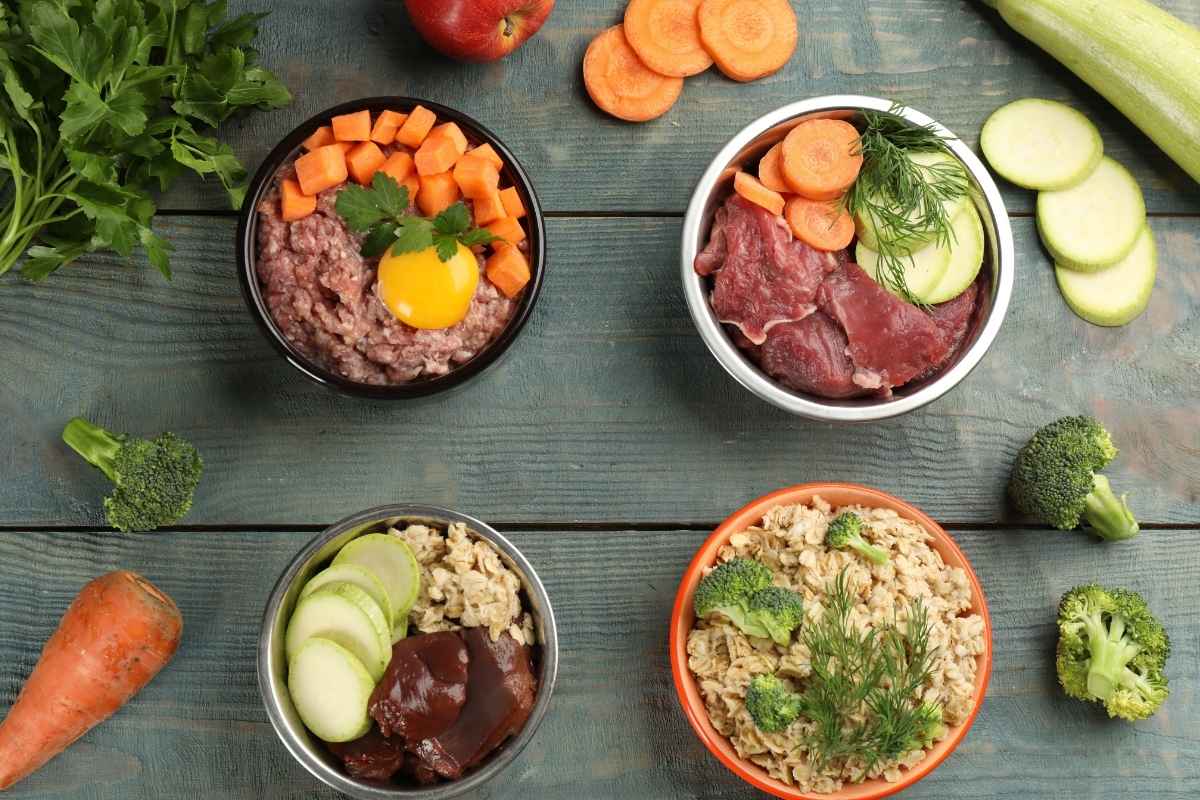
A raw dog food diet typically consists of uncooked ingredients designed to mimic what some believe dogs’ ancestors ate in the wild.
Common components include:
- Raw muscle meat
- Organ meats
- Raw bones
- Fruits and vegetables
- Eggs
- Certain supplements
Raw feeding plans generally fall into two categories:
Commercial Raw Diets
These are professionally formulated products available in frozen, freeze-dried, or dehydrated forms. Many are designed to meet established nutritional standards.
Homemade Raw Diets
Prepared by pet owners at home, these diets allow for ingredient customization but require careful planning to ensure nutritional balance.
While raw diets have become increasingly popular, they remain one of the most debated topics in veterinary nutrition.
Why Are Pet Owners Interested in Raw Feeding?
Many dog owners choose raw diets because they believe the food is more natural and less processed than traditional kibble.
Common reasons pet owners consider raw feeding include:
- Improved coat quality
- Smaller, firmer stools
- Increased energy
- Better dental health
- Reduced food sensitivities
- Greater control over ingredients
Some owners also prefer knowing exactly what goes into their dog’s meals, especially if their pet has specific dietary needs.
However, it’s important to separate anecdotal benefits from scientifically proven outcomes.
Potential Benefits of Raw Dog Food
Although research remains limited in some areas, certain benefits have been reported by pet owners and observed in select cases.
Improved Ingredient Transparency
One advantage of raw feeding is knowing exactly what ingredients are being fed. This can be particularly appealing for dogs with food allergies or sensitivities.
Increased Palatability
Many dogs find raw food highly appealing. Picky eaters often show enthusiasm for fresh meats and minimally processed ingredients.
Reduced Processing
Raw diets generally avoid the high-heat processing used in traditional kibble manufacturing, which some owners prefer.
Customized Nutrition
Homemade raw diets can be tailored to a dog’s unique requirements under professional guidance.
While these potential benefits attract many pet owners, they must be weighed against possible risks.
The Risks of Raw Dog Food
Before switching to a raw diet, it’s essential to understand the concerns frequently raised by veterinary professionals.
Bacterial Contamination
Raw meat may contain harmful bacteria such as:
- Salmonella
- E. coli
- Listeria
These pathogens can affect not only dogs but also people handling the food.
Households with:
- Young children
- Elderly family members
- Pregnant women
- Immunocompromised individuals
Nutritional Imbalances
One of the biggest concerns with homemade raw diets is incomplete nutrition.
Dogs require precise levels of:
- Protein
- Fat
- Calcium
- Phosphorus
- Vitamins
- Trace minerals
Improperly formulated diets can lead to nutritional deficiencies or excesses that impact long-term health.
Bone-Related Injuries
Raw bones may pose risks such as:
- Choking
- Tooth fractures
- Gastrointestinal blockages
- Internal injuries
Not every dog safely tolerates chewing on bones.
Foodborne Illness
Even healthy dogs can shed harmful bacteria in their saliva and feces after consuming contaminated raw food, potentially exposing family members and other pets.
What Do Veterinarians Say About Raw Diets?
Many veterinary organizations acknowledge that while raw feeding may offer certain benefits, safety concerns remain significant.
The primary issue is not necessarily the concept of feeding fresh food but ensuring that meals are:
- Nutritionally complete
- Properly balanced
- Safely prepared
- Stored correctly
Around this point in the decision-making process, consulting an experienced, trusted veterinary hospital can help determine whether a raw diet is appropriate for your dog’s age, breed, lifestyle, and medical history.
Professional guidance is especially important for puppies, senior dogs, and pets with existing health conditions.
Which Dogs May Not Be Good Candidates for Raw Feeding?
Raw diets are not ideal for every dog.
Certain pets may face increased risks, including:
Puppies
Growing puppies require a precise nutritional balance to support healthy bone and muscle development.
Senior Dogs
Older dogs often have weaker immune systems and may be more vulnerable to foodborne illnesses.
Dogs with Chronic Health Conditions
Pets with:
- Kidney disease
- Liver disease
- Pancreatitis
- Immune disorders
May require specialized nutrition that can be difficult to achieve through homemade raw feeding.
Dogs in Multi-Pet Households
When multiple pets share food bowls, toys, or living spaces, the risk of bacterial transmission may increase.
Guidelines for Feeding Raw Dog Food Safely
For owners who choose to feed raw diets, proper food safety practices are critical.
Choose Reputable Products
If feeding commercial raw food:
- Select products from trusted manufacturers
- Verify nutritional completeness
- Follow storage recommendations carefully
Practice Safe Food Handling
Always:
- Wash hands thoroughly after handling raw food
- Disinfect preparation surfaces
- Clean bowls promptly
- Store food at appropriate temperatures
Monitor Your Dog Closely
Watch for signs of digestive upset, including:
- Vomiting
- Diarrhea
- Loss of appetite
- Lethargy
If symptoms occur, contact your veterinarian.
Schedule Regular Wellness Exams
Routine veterinary visits help ensure your dog’s nutritional plan continues to support overall health.
Are Commercial Raw Diets Safer Than Homemade Raw Diets?
Commercial raw foods often undergo nutritional formulation and quality control measures that homemade diets may lack.
Benefits of commercial options include:
- Consistent nutrient profiles
- Convenient preparation
- Reduced risk of nutritional deficiencies
- Easier portion control
However, even commercial raw products can pose a risk of bacterial contamination if not handled properly.
Homemade diets may work well for some owners, but they require significant commitment, nutritional knowledge, and ongoing monitoring.
Raw Food vs Traditional Dog Food
Many pet owners wonder whether raw diets are truly superior to conventional pet foods.
The answer depends on several factors.
Raw Food Advantages
- Less processed ingredients
- High palatability
- Flexible ingredient selection
Traditional Dog Food Advantages
- Extensive safety testing
- Complete nutritional formulation
- Convenience
- Lower risk of bacterial exposure
High-quality commercial dog foods continue to provide excellent nutrition for millions of healthy dogs.
The best choice is often the one that safely meets your dog’s nutritional needs while fitting your lifestyle and budget.
Raw dog food diets continue to spark debate among pet owners and veterinary professionals. While some dogs may thrive on carefully balanced raw nutrition, the potential risks – including bacterial contamination, nutritional imbalances, and food safety concerns – should not be overlooked.
The safest approach is to evaluate your dog’s individual needs and seek professional guidance before making significant dietary changes. Whether you choose raw food, commercial diets, or a combination approach, the goal should always be complete, balanced nutrition that supports long-term health.
We’re committed to helping Lawrenceville pet owners make informed decisions about their dogs’ nutrition and overall wellness. Book an appointment with Dogwood Animal Hospital today to discuss the best diet for your furry companion.
FAQs
Q1: Is raw dog food actually safe for dogs?
Ans. Raw dog food can be safe when properly formulated, handled, and stored, but it carries risks, including bacterial contamination and nutritional imbalances, that should be carefully considered.
Q2: Do veterinarians recommend raw diets for dogs?
Ans. Opinions vary, but many veterinarians recommend caution due to food safety concerns and the challenges of maintaining balanced nutrition.
Q3: Can raw food improve my dog’s coat and digestion?
Ans. Some owners report improvements in coat condition and digestion after switching to raw diets, though scientific evidence supporting these claims remains limited.
Q4: What are the biggest risks of feeding raw dog food?
Ans. The most significant risks include bacterial infections, nutritional deficiencies, bone-related injuries, and exposure to foodborne illness for both pets and humans.
Q5: Is commercial raw dog food better than homemade raw food?
Ans. Commercial raw diets often provide more consistent nutrition and quality control than homemade recipes, making them a safer option for many pet owners.