2050 Sugarloaf Parkway, Lawrenceville, Georgia 30045
Food Coma? How to Tell if Your Pet Just Ate Too Much

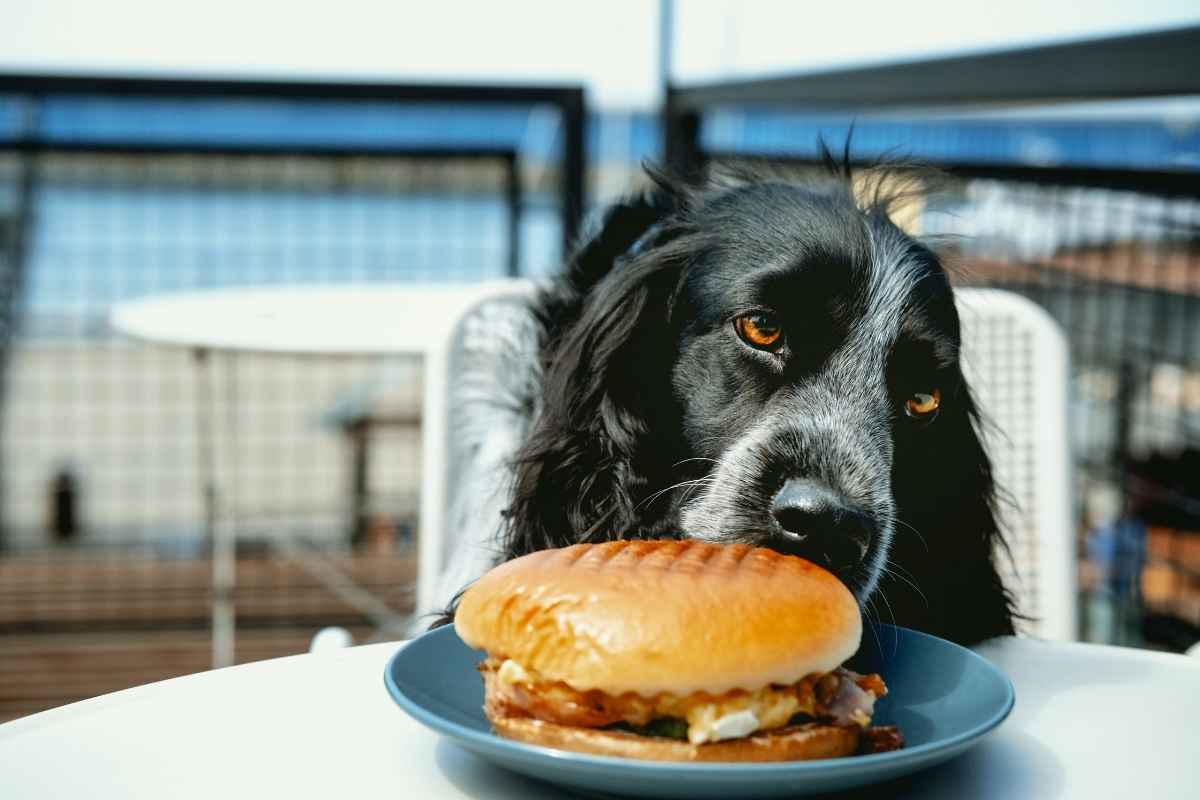
Most pet owners have seen it happen – a dog finishes a large meal or sneaks extra treats and suddenly becomes sleepy, sluggish, or uninterested in activity. While a temporary “food coma” may seem harmless, overeating in pets can sometimes lead to digestive discomfort or even more serious health problems if left unchecked.
At Dogwood Animal Hospital, veterinarians frequently help pet owners recognize the difference between mild post-meal tiredness and symptoms that may require medical attention. Understanding how overeating affects pets can help owners prevent digestive issues and support healthier eating habits.
For pet owners in Lawrenceville, family gatherings, outdoor cookouts, and frequent treats during social events can increase the risk of pets consuming more food than usual. Learning when post-meal behavior is normal and when it may signal a problem is an important part of responsible pet care.
Why Pets Become Sleepy After Eating
After eating, a pet’s body directs more energy toward digestion. This natural process may temporarily reduce activity levels, causing pets to appear sleepy or relaxed after meals.
Large meals, rich foods, or excessive treats can make this effect more noticeable. Dogs are especially prone to overeating because many will continue eating whenever food is available.
In mild cases, pets may simply rest more than usual for a short period before returning to normal behavior.
Common Signs Your Pet Ate Too Much
A mild case of overeating may cause temporary discomfort but often improves within several hours.
Common symptoms include:
- Sleepiness after eating
- Mild bloating
- Slower movement
- Excessive thirst
- Temporary stomach discomfort
- Passing gas
- Mild nausea
Some pets may also appear less interested in exercise or play immediately after a large meal.
However, symptoms that become severe or persistent should not be ignored.
When Overeating Becomes Dangerous
Not every food-related issue is harmless. In some cases, overeating can trigger serious medical emergencies.
Bloat and Gastric Dilatation-Volvulus (GDV)
Large dog breeds are especially vulnerable to bloat, a condition where the stomach fills with gas and may twist. GDV is life-threatening and requires immediate veterinary treatment.
Warning signs include:
- Distended abdomen
- Restlessness
- Unsuccessful attempts to vomit
- Rapid breathing
- Weakness or collapse
Pancreatitis
Eating fatty table scraps or excessive treats can trigger pancreatitis, which is inflammation of the pancreas.
Symptoms may include:
- Vomiting
- Severe abdominal pain
- Diarrhea
- Lethargy
- Loss of appetite
Pancreatitis can become serious without prompt medical care.
Toxic Food Consumption
Sometimes pets overeat foods that are toxic rather than simply eating too much regular food.
Common toxic foods include:
- Chocolate
- Grapes and raisins
- Onions
- Garlic
- Xylitol
- Alcohol
- Fatty leftovers
If toxic ingestion is suspected, immediate veterinary guidance is necessary.
Why Portion Control Matters
Consistent overeating can contribute to obesity, digestive issues, joint stress, diabetes, and heart disease over time.
Portion control is one of the most important parts of maintaining long-term pet health.
Factors affecting portion size include:
- Breed
- Age
- Weight
- Activity level
- Medical conditions
- Metabolism
Veterinarians can help determine the appropriate calorie intake for each individual pet.
Healthy Feeding Habits for Pets
Creating consistent feeding routines may help reduce overeating and digestive upset.
Measure Meals Carefully
Using measuring cups or portion-controlled feeding systems helps prevent accidental overfeeding.
Limit Table Scraps
Human foods are often higher in fat, sodium, and calories than pets should consume regularly.
Use Slow Feeders for Fast Eaters
Some dogs eat too quickly, increasing the risk of bloating or vomiting. Slow feeder bowls can help pace eating.
Stick to Scheduled Feeding Times
Regular feeding schedules help pets maintain stable digestion and appetite patterns.
The Role of Proper Pet Nutrition
Balanced diets play an important role in digestive health, weight management, and energy levels. Pets receiving complete and balanced pet nutrition are less likely to experience long-term complications associated with excessive weight gain or poor eating habits.
Veterinarians may also recommend customized pet nutrition plans for pets with obesity, food sensitivities, or chronic digestive concerns.
What to Do if Your Pet Eats Too Much
If your pet appears mildly uncomfortable after overeating, monitoring them closely at home may be appropriate in some situations.
Pet owners should:
- Restrict additional treats temporarily
- Offer water in moderation
- Limit strenuous activity
- Observe for worsening symptoms
- Contact a veterinarian if concerns develop
However, emergency veterinary care should be sought immediately if pets show vomiting, severe bloating, weakness, breathing difficulty, or signs of pain.
Preventing Future Overeating Incidents
Many cases of overeating are preventable with a few simple precautions.
Helpful prevention strategies include:
- Securing trash cans
- Storing food out of reach
- Educating family members about safe treats
- Supervising pets during gatherings
- Using portion-controlled feeding routines
Pets that repeatedly seek excessive food may also benefit from veterinary evaluation to rule out underlying medical conditions.
While occasional overeating may only lead to temporary discomfort, it can sometimes signal or trigger more serious health concerns. Understanding normal post-meal behavior and recognizing warning signs can help pet owners respond quickly when problems arise.
If you’re in Lawrenceville and need guidance from a vet near you about healthy feeding habits or digestive concerns, schedule your appointment with Dogwood Animal Hospital. Their team can help create a personalized nutrition and wellness plan to support your pet’s long-term health and comfort.
Frequently Asked Questions
Q1. Is it normal for pets to sleep after eating?
Ans. Yes. Mild sleepiness after meals is often normal, especially after large meals.
Q2. How do I know if my dog ate too much?
Ans. Signs may include bloating, sluggishness, gas, stomach discomfort, or vomiting.
Q3. Can overeating cause serious problems in dogs?
Ans. Yes. Conditions such as bloat and pancreatitis can become life-threatening without treatment.
Q4. Should I walk my dog immediately after eating?
Ans. Intense exercise immediately after large meals is generally not recommended, especially for large breeds.
Q5. What foods should pets never eat?
Ans. Chocolate, grapes, onions, xylitol, alcohol, and fatty foods can all be dangerous for pets.
Q6. How can I prevent my pet from overeating?
Ans. Portion control, scheduled feeding, slow-feeder bowls, and limiting table scraps can help.