2050 Sugarloaf Parkway, Lawrenceville, Georgia 30045
Ear Cropping for Your Dog’s Health and Aesthetics
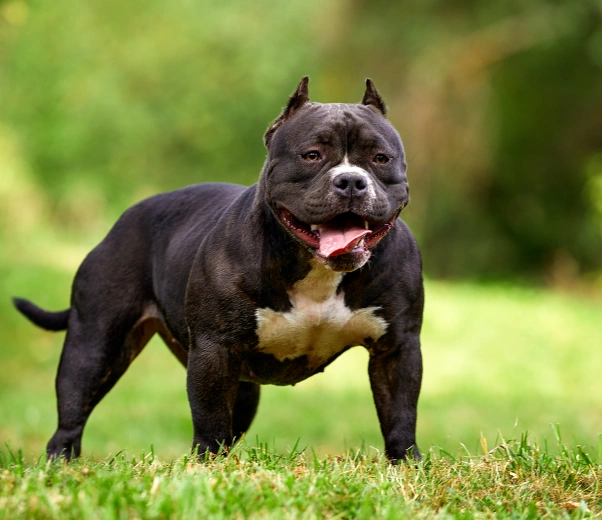
Ear cropping is a cosmetic procedure that involves surgically trimming the ears of certain dog breeds. At Dogwood Animal Hospital, we provide safe dog ear cropping in Lawrenceville, typically performed to improve the appearance of certain breeds, such as Doberman Pinschers and Schnauzers, and to enhance their overall health and well-being. Whether you’re seeking this procedure for aesthetic or health reasons, our team is here to provide the highest level of care for your dog.

Prevent Ear Injuries With Ear Cropping for Dogs
In Lawrenceville, where active dogs love to roam and play in local parks like Rhodes Jordan Park, ear cropping can enhance their health and appearance. For dogs that are regularly active or exposed to rough environments, this procedure can reduce the risk of ear injuries and prevent infections. Dogwood Animal Hospital provides ear cropping services for dogs, ensuring your dog’s well-being every step of the way.

Why Choose Dog Ear Cropping
Ear cropping is a personal decision in which the ears of certain breeds are cut to give them an upright, alert appearance. Although the procedure is often performed for cosmetic reasons, it also offers some health benefits. For example:
- Improved Hearing: Cropped ears may help prevent infections or other health issues by allowing better airflow in the ear canal, reducing the chances of moisture buildup.
- Enhanced Appearance: Some dog breeds are traditionally shown with cropped ears, which can enhance their overall appearance, giving them a more defined, strong look.
- Preventing Ear Injuries: For some dogs, cropped ears may reduce the risk of ear injuries, particularly in active breeds or those exposed to rough conditions.
The Dog Ear Cropping Procedure
Ear cropping is typically done at a young age, usually between 8 and 12 weeks, when the dog’s ear cartilage is still soft and can be shaped. Here’s what to expect:
- Consultation: Our veterinarian will assess your dog’s health and determine if ear cropping is appropriate.
- Surgical Process: The procedure involves removing a portion of the dog’s ear and reshaping it. The surgery is performed under anesthesia to ensure your dog’s comfort and safety.
- Post-Surgery Care: After surgery, your dog will need to wear a cone to prevent scratching or licking their ears while they heal. We’ll provide detailed aftercare instructions to help you manage their recovery.

Aftercare and Recovery
Caring for your dog after ear cropping is crucial for ensuring proper healing and a successful outcome. Here’s what you can expect during the recovery process:
- Ear Bandaging: After the procedure, your dog’s ears will be bandaged to maintain their shape and position during healing. The bandages are typically changed every few days during the first two weeks.
- Regular Check-ups: We’ll schedule follow-up appointments to monitor your dog’s healing progress and ensure there are no complications, such as infection or improper ear alignment.
- Pain Management: We will prescribe pain relief medication to keep your dog comfortable and minimize any discomfort during recovery.
- Limit Activity: To avoid injuring the healing ears, it’s important to limit your dog’s activity, particularly jumping, running, or playing rough, until they have fully healed.
Is Ear Cropping Right for Your Pet
Not all dogs are candidates for ear cropping, and it’s essential to consider your dog’s breed, health, and lifestyle before making a decision. Common breeds that are often ear-cropped include:
- Doberman Pinschers
- Boxers
- Schnauzers
- Great Danes
- Miniature Pinschers
If you're considering ear cropping, consult with our veterinary team at Dogwood Animal Hospital to determine if this procedure is right for your dog. We’ll discuss your dog’s health, breed-specific needs, and your reasons for considering the surgery to help you make an informed decision.
Enhance Your Dog’s Health and Appearance
If you’re considering dog ear cropping in Lawrenceville, our team at Dogwood Animal Hospital is here to provide the highest standard of care. Contact us today to schedule a consultation and discuss the benefits and considerations of this procedure for your dog. We are here to help you make the best decision for your pet’s health and appearance.
Frequently Asked Questions