2050 Sugarloaf Parkway, Lawrenceville, Georgia 30045

How to Create a Monthly Health Checklist for Your Pet

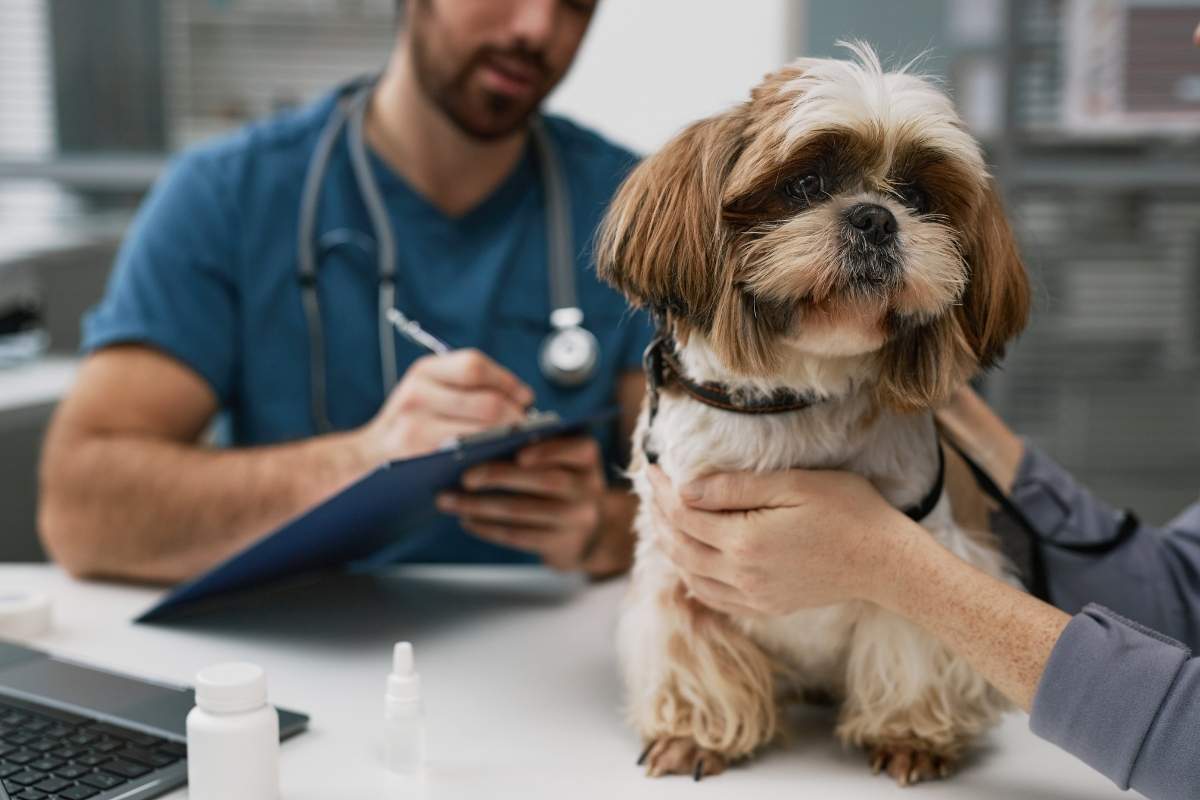
Pets rely on daily love and regular observation to stay healthy. However, many illnesses develop slowly and go unnoticed until they become serious. Therefore, a simple routine at home can make a big difference. Creating a health checklist for your pet helps you monitor changes early and act before small problems become emergencies.
At Dogwood Animal Hospital, we encourage pet owners to perform quick monthly at-home checks. These inspections only take about 10 minutes, yet they provide valuable information about your pet’s overall condition. Most importantly, they strengthen your awareness of what is normal for your animal. This guide is especially helpful for local pet families in Lawrenceville, GA, who want an easy, reliable way to keep track of their pet’s health at home.
Why a Monthly Pet Check Matters
Animals cannot explain discomfort. Instead, they show it through subtle physical changes. Because of this, consistent observation becomes essential.
A monthly routine supports preventive pet care by:
- Catching infections early
- Detecting lumps sooner
- Monitoring weight changes
- Identifying dental disease
- Preventing chronic illness
In addition, frequent checks make vet visits easier because your pet becomes comfortable with gentle handling.
Step 1: Start With the Nose and Face
Begin your health checklist for your pet at the front of the body. The face often reveals early illness.
Nose
A healthy nose should be slightly moist and clean.
Watch for:
- Thick discharge
- Crusting
- Bleeding
- Constant sneezing
These signs may indicate allergies, infection, or respiratory disease.
Eyes
Next, look carefully at the eyes.
Healthy eyes appear:
- Bright
- Clear
- Free of redness
Call your veterinarian if you notice:
- Cloudiness
- Squinting
- Tear staining
- Yellow or green discharge
Eye problems worsen quickly, so early attention is important.
Step 2: Check the Ears
Gently lift each ear flap and look inside.
Healthy ears should be:
- Pale pink
- Odor-free
- Clean
Warning signs include:
- Dark debris
- Strong odor
- Head shaking
- Scratching
Ear infections are very common in both dogs and cats. Monthly checks help you catch them before they cause pain.
Step 3: Inspect the Mouth and Teeth
Dental disease is one of the most overlooked pet health problems. Nevertheless, it affects the heart, kidneys, and liver if untreated.
During your health checklist for your pet, lift the lips and check:
Healthy mouth signs:
- Pink gums
- White teeth
- Fresh breath
Concerning symptoms:
- Bad breath
- Red gums
- Bleeding
- Drooling
- Difficulty chewing
If your pet resists eating hard food, oral pain may be the cause.
Step 4: Feel the Neck and Lymph Nodes
Now gently run your hands along the neck and under the jaw.
You are checking for:
- Swelling
- Lumps
- Sensitivity
Enlarged lymph nodes can signal infection or immune conditions. Early detection allows faster treatment.
Step 5: Evaluate Skin and Coat
Next, move your hands across the back and sides of your pet’s body.
Healthy skin should be:
- Smooth
- Free of scabs
- Not overly oily
Watch for:
- Bald patches
- Excessive shedding
- Fleas
- Red spots
- Constant itching
Skin problems often point to allergies or parasites.
Examine the Body Shape and Weight
Place your hands over the ribs and abdomen.
You should:
- Feel ribs easily, but do not see them prominently
- Notice a waist behind the ribs
Sudden weight gain or loss is an important health indicator. Obesity increases the risk of diabetes and arthritis, while weight loss may signal internal illness.
Step 7: Check Legs, Joints, and Paws
Mobility tells you a lot about overall wellness.
Observe:
- Walking pattern
- Jumping ability
- Stiffness after rest
Then inspect the paws:
- Look between the toes
- Check nail length
- Look for cracks or swelling
Limping, licking paws, or reluctance to climb stairs may indicate joint disease or injury.
Step 8: Monitor Bathroom Habits
Pay attention to litter box or yard routines.
Healthy elimination should include:
- Regular urination
- Firm stools
- No straining
Call your vet if you see:
- Blood in urine
- Diarrhea lasting over 24 hours
- Constipation
- Increased urination
These signs often indicate infections or digestive problems.
Step 9: Track Behavior and Energy
Behavioral changes are sometimes the earliest health warnings.
Watch for:
- Sleeping much more
- Hiding
- Aggression
- Restlessness
- Reduced playfulness
Pain, anxiety, or illness frequently appears first as a personality shift.
Step 10: Record Your Findings
Finally, keep a simple notebook or phone note. Record:
- Weight
- Appetite
- Activity level
- Any abnormalities
This record helps your veterinarian understand patterns and diagnose problems faster.
When to Call a Veterinarian
Contact your vet if you notice:
- Persistent vomiting
- Coughing
- Sudden behavior change
- Swelling
- Eye discharge
- Loss of appetite
Never wait more than 24–48 hours when symptoms persist.
How Veterinary Visits Complement Home Checks
At-home exams are helpful, but professional evaluations are still essential. Veterinarians perform physical exams, lab tests, and screenings that cannot be done at home. Together, routine visits and home observation provide complete health protection.
Dogwood Animal Hospital serves pets from nearby communities, including the Grayson, GA area.
A monthly health checklist for your pet is simple, quick, and incredibly valuable. By checking the nose, eyes, ears, mouth, skin, body weight, and behavior, you can detect problems early and protect your pet’s quality of life. Consistent monitoring strengthens your bond and helps your pet live longer and more comfortably.
If you are in Lawrenceville, GA, and looking for a veterinarian near you, book an appointment with Dogwood Animal Hospital today. Our team will help you keep your companion happy, healthy, and thriving.
FAQs
Q1. How long should a monthly pet health check take?
Ans. Usually, about 10 minutes once your pet becomes comfortable with handling.
Q2. What is the most common problem found during home checks?
Ans. Dental disease and ear infections are the most frequently detected issues.
Q3. Should indoor pets still have monthly checks?
Ans. Yes. Indoor pets can still develop obesity, dental disease, and internal illness.
Q4. When should I weigh my pet?
Ans. Weigh your pet monthly at the same time of day for consistency.
Q5. Can I replace vet visits with home checks?
Ans. No. Home checks help, but veterinary exams are still necessary for diagnosis and treatment.
6. What if my pet resists the examination?
Ans. Start slowly, offer treats, and keep sessions short. Over time, most pets become comfortable.