2050 Sugarloaf Parkway, Lawrenceville, Georgia 30045

Simple Ways to Keep Your Home Comfortable and Allergy-Free for Pets

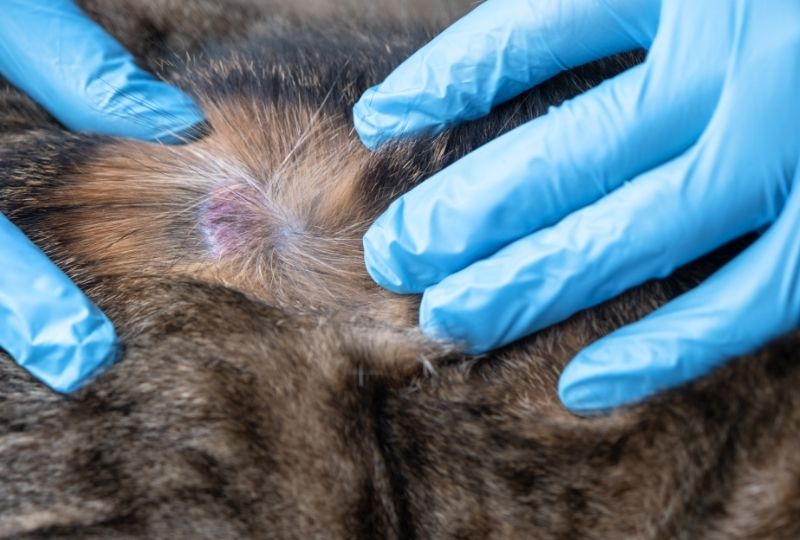
Allergies don’t just affect people—our pets can struggle too. Dust, pollen, mold, and even cleaning products may trigger itching, sneezing, or skin problems. The good news is that with the right changes, you can create a healthier space for everyone. In this guide, we’ll explore practical ways to make your home allergy-friendly for pets while protecting your family’s comfort.
Why a Pet-Friendly, Allergy-Safe Home Matters
Animals with allergies often show signs through scratching, chewing at their paws, watery eyes, or recurring ear issues. Without intervention, these symptoms can make life miserable. Reducing allergens indoors is one of the most effective ways to help your pet feel better while also improving the overall environment for your household.
Step Up Your Cleaning Routine
1. Control Dust and Dander
Vacuum floors and upholstery at least twice a week using a machine equipped with a HEPA filter. This helps trap fine particles like pet dander, dust mites, and pollen that can aggravate allergies.
2. Keep Bedding Fresh
Clean your pet’s bedding, blankets, and favorite toys every week using warm water to eliminate allergens and keep things fresh. If your pet sleeps in your bedroom, be sure to wash your own bedding often as well.
3. Mop Instead of Sweep
On hard floors, sweeping can stir up dust. Use a damp mop to capture allergens and keep surfaces truly clean.
Improve the Air Inside Your Home
Clean air is key when trying to make your home allergy-friendly for pets. You can:
- Use Air Purifiers: A HEPA purifier can capture airborne particles that cause irritation.
- Replace HVAC Filters: Swap them every month or two to keep airflow free of allergens.
- Balance Humidity: Aim for 40–50% humidity to discourage mold and dust mites.
Grooming to Reduce Allergens
Routine grooming not only keeps your pet comfortable but also cuts down on allergens in the home. Regular brushing helps reduce shedding and dander, keeping allergens under control and your pet more comfortable. Bathing with a gentle, hypoallergenic shampoo can further reduce buildup—just avoid over-bathing, which can dry out the skin.
Safe Cleaning Choices
Many store-bought cleaning products contain fragrances or harsh chemicals that irritate sensitive pets. Switch to unscented, pet-safe cleaning solutions, or use natural alternatives like vinegar and baking soda for everyday messes.
Limit Outdoor Allergens
Pets often track pollen and dirt inside. To minimize this:
- After time outside, gently clean your pet’s paws and coat to prevent pollen, dirt, and dust from being carried indoors.
- Keep towels near doors for quick clean-ups.
- Restrict outdoor activity during peak allergy seasons.
These small steps reduce the allergens your pet carries back into the home.
Designated Allergen-Free Areas
Consider making bedrooms or certain rooms “allergen-safe zones.” Using washable covers for pillows and mattresses and limiting pet access to these spaces can help allergy-sensitive family members sleep better and breathe easier.
When Professional Care Is Needed
Even after making changes at home, some pets may continue to struggle with allergies. Persistent scratching, hair loss, or repeated skin infections often call for veterinary support. Explore allergy and dermatology services to get expert help and tailored treatment options.
Taking steps to make your home allergy-friendly for pets benefits everyone under your roof. With consistent cleaning, better air quality, careful grooming, and the right products, you can drastically reduce allergy triggers. The result is a safer, healthier home where both pets and people can enjoy life comfortably.
FAQs
Q1. What are common signs my pet has allergies?
Ans. Excessive scratching, licking paws, watery eyes, or chronic ear infections are common indicators.
Q2. What’s the best cleaning schedule for my pet’s bedding?
Ans. Once a week is ideal to prevent the buildup of allergens like dust and pollen.
Q3. Can air purifiers really help with pet allergies?
Ans. Yes, especially those with HEPA filters designed to trap small airborne particles.
Q4. Which cleaning products are safest for pets with allergies?
Ans. Fragrance-free, non-toxic products labeled as pet-safe are the best choice.
Q5. Should pets stay out of bedrooms?
Ans. If a family member has allergies, it’s best to keep pets out of sleeping areas for better overnight relief.
Q6. When is it time to see a vet for pet allergies?
Ans. If home care doesn’t improve symptoms or if your pet’s skin issues worsen, a veterinarian should evaluate them.
Related Articles