2050 Sugarloaf Parkway, Lawrenceville, Georgia 30045

Signs Your Pet Needs an Emergency Vet Visit Immediately

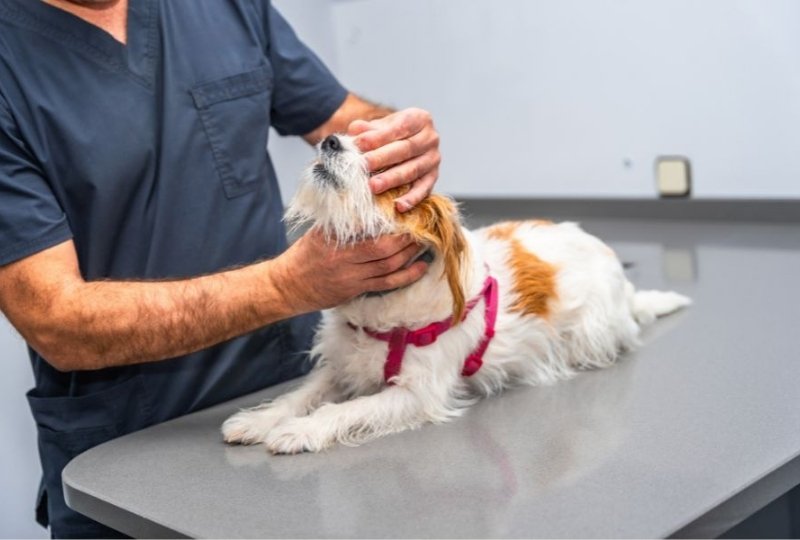
When your beloved pet is in distress, every second matters. But how do you know if it’s time to rush to an emergency vet or if the situation can wait until a regular appointment? Recognizing the warning signs early can make a life-saving difference for your furry family member..
This guide will help you understand the critical symptoms that signal your pet needs urgent attention, giving you peace of mind and helping you act quickly when it matters most.
Why Recognizing an Emergency Matters
Pets can’t tell us when something is wrong, so it’s up to us to spot the red flags. While some issues may appear minor at first, delays in treatment can lead to severe complications. An experienced emergency vet has the skills, equipment, and facilities to diagnose and treat urgent conditions, ensuring your pet gets the best chance at recovery.
Top Signs Your Pet Needs Emergency Vet Care
1. Difficulty Breathing
Any signs of labored breathing, wheezing, or gasping should be treated as urgent. Breathing issues can stem from allergic reactions, airway blockages, or heart problems.
2. Severe Bleeding or Injury
If your pet is bleeding heavily, has been hit by a car, or has suffered a serious fall, immediate veterinary attention is necessary. Blood loss and shock can escalate quickly.
3. Inability to Walk or Stand
Sudden weakness, paralysis, or collapse may indicate neurological issues, poisoning, or severe illness. Don’t wait—seek an urgent vet right away.
4. Uncontrolled Vomiting or Diarrhea
Occasional digestive upset is normal, but repeated episodes—especially if blood is present—require urgent evaluation. Dehydration and organ damage can occur quickly.
5. Seizures or Loss of Consciousness
Seizures lasting more than a few minutes, recurring episodes, or sudden collapse demand immediate medical attention to prevent long-term harm.
6. Refusal to Eat or Drink for Over 24 Hours
While a missed meal isn’t unusual, total loss of appetite or thirst can signal a serious underlying problem that should not be ignored.
7. Difficulty Urinating or Defecating
Straining, vocalizing in pain, or inability to relieve themselves may point to urinary blockages or digestive obstructions—both life-threatening if untreated.
When to Search for an Emergency Vet Near You
If you’re in Lawrenceville, GA, and notice these warning signs, finding an emergency vet near you quickly is crucial. Time is often the most important factor in preventing complications, and having an urgent care option close to home ensures faster treatment.
Remember, you don’t have to wait until symptoms worsen. If you’re unsure whether it’s an emergency, it’s always safer to call and ask a professional for guidance.
Why Immediate Action Can Save Your Pet’s Life
Many pet emergencies progress silently before becoming obvious. For example, internal bleeding, toxin ingestion, or urinary blockages can become fatal within hours if left untreated. Acting quickly and visiting an urgent vet ensures your pet receives life-saving interventions at the right time.
At the halfway point, it’s worth noting that reliable urgent care services are available locally, providing the advanced diagnostics and emergency treatments pets may need in critical situations.
What to Expect During an Emergency Visit
When you arrive, the veterinary team will assess your pet immediately, prioritizing life-threatening conditions first. Diagnostic tools such as X-rays, bloodwork, and ultrasounds may be used to identify the issue quickly. From there, treatment plans are tailored to stabilize your pet and address the underlying cause.
How to Prepare for Pet Emergencies
- Know the nearest emergency clinic: Save their number in your phone.
- Keep first-aid basics at home: Bandages, antiseptics, and your pet’s medication list.
- Have a transport plan: A sturdy carrier or blanket for safe lifting.
- Stay calm: Your composure will help keep your pet calmer too.
Knowing the warning signs of a true pet emergency could save your companion’s life. By acting quickly, staying calm, and seeking help from an urgent vet, you provide your pet the best chance at recovery and long-term health.
Frequently Asked Questions
Q1. What qualifies as a pet emergency?
Ans. Any sudden change that threatens your pet’s breathing, mobility, consciousness, or comfort should be treated as an emergency.
Q2. How can I tell if my pet is in severe pain?
Ans. Signs include whining, restlessness, hiding, aggression, or changes in breathing and posture. An urgent vet can evaluate and manage pain effectively.
Q3. Should I try home remedies before going to the vet?
Ans. No. Home remedies can waste valuable time or make things worse. Always consult a veterinary professional.
Q4. Can an emergency vet handle poisoning cases?
Ans. Yes, they are equipped to manage toxin ingestion, administer antidotes, and provide supportive care.
Q5. What if I can’t get to the clinic right away?
Ans. Call the clinic immediately. They can guide you on first-aid steps until you arrive.
Q6. How do I find an emergency vet near me in Lawrenceville, GA?
Ans. A quick online search for “emergency vet near me” or contacting a trusted local urgent care center will help you reach immediate assistance.